
Estimated read time: 3-4 minutes
- A new online database, Traces, tells the stories of missing and murdered Indigenous people in Utah.
- The MMIR Utah initiative, unveiled Monday, draws attention to the disproportionate violence the Native American population faces.
- Those involved hope to honor and remember the impacted population in Utah.
SALT LAKE CITY — The disproportionately high number of cases of missing and murdered people in the Native American population has long been a focus of concern in the community.
Now, in a bid to keep their stories alive, a new online database called Traces has been created to honor and remember those impacted in Utah.
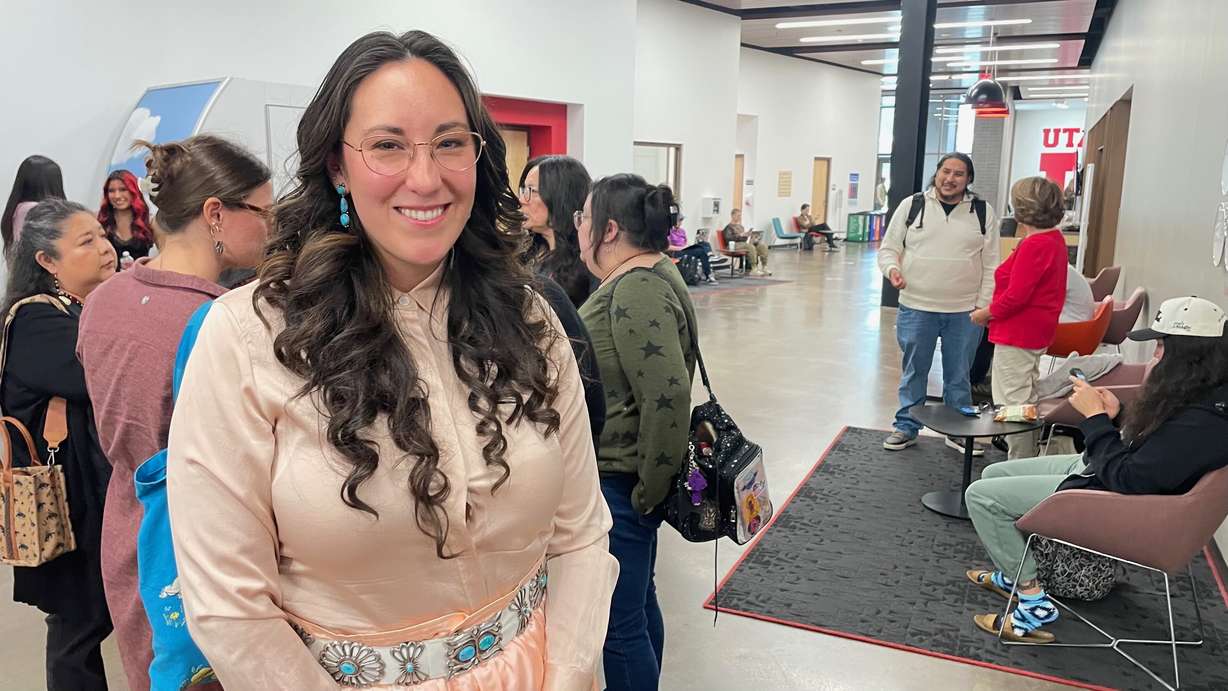
"Traces is a place where our missing and murdered Indigenous relatives are remembered with dignity," said Tammy Dee Platero, the executive director of MMIR Utah (Missing and Murdered Indigenous Relatives), a non-profit group that spearheaded the effort.
"Each relative has their own page. It isn't a case file or a headline — it's a remembrance of who they were, the people who loved them, the things they cared about and the community that they come from."
Native American communities experience disproportionate numbers of murder and missing-person cases, which is the focus of MMIR Utah. In Utah, American Indian and Alaska Native people, though just 1.6% of the population, account for more than 5% of murder victims in the state, according to a 2023 report, which echoes a national trend.
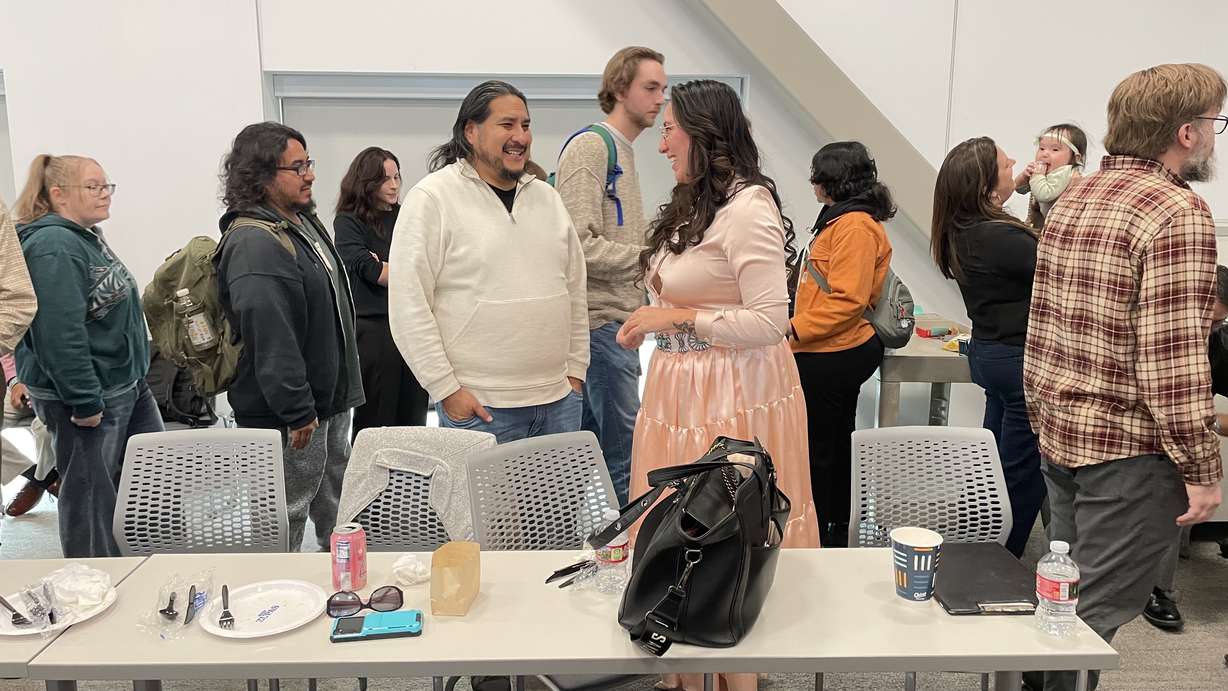
The overarching goal of MMIR is to reduce the disproportionate violence impacting the Indigenous community. Through Traces, formally unveiled at a presentation at the University of Utah on Monday, Platero hopes the issue, and those who have faced violence or are missing, get attention.
"A lot of these cases will be talked about maybe a week, or not even get media at all," she said.
So far, stories about 11 people have been posted to the Traces website. The entries provide details about the people impacted and their cases. Sometimes the information is minimal, and Platero hopes to get the word out about Traces to garner more submissions and stories.
An entry about Rebecca Jane White says she went missing from South Salt Lake in 2012 and may have been experiencing homelessness. "She may have used the last names Fasthorse or Runninghorse," her entry reads.
Another entry about Ermalinda Garza Sherman, an American Indian or Alaska Native woman, says she was killed near St. George in 1991 when she was 32.
"On April 2, 1991, Ermalinda was found on the side of a road in the desert south of St. George. She had died of gunshot wounds and blunt force trauma, according to the Utah Bureau of Criminal Identification. Her killing remains unsolved," it reads.
A more expansive entry about Matthew Jay Broncho says he was an enrolled member of the Shoshone-Bannock Tribes. He went missing from his home in Idaho in 2019 and his remains were found five year laters in the Hansel Mountains in Box Elder County, though his case remains unresolved.
"Why would he go to Utah? I'd never heard him talk about Utah," his mother, Cynder Metz, told Native News Online, according to the entry.
Read more:
Multicultural Utah
Looking for more news about the different cultures that call Utah home? Visit our Multicultural Utah section for more stories, events and features.Funding for the effort came from the University of Utah Department of Communication. The Utah Investigative Journalism Project assisted, helping with research and writing the initial stories.
"We spent more than a year developing this project, but what we present today is a beginning, not an end," said Eric Peterson, the founder and senior reporter of the journalism group.
He characterized the initiative as a means of remembering and noting how the "dark chapters of the past" have ripple effects in the present. He hopes more and more entries come directly from those who knew the missing and murdered population.
"Honestly, there would be no greater success for this project than to have all our reporting and writing replaced entirely by the shared memories and stories of friends, loved ones, tribal members of those affected by this horrible tragedy," Peterson said.
More money is needed to keep the effort going, and Platero said the funding goal for 2027 is $120,000.