
Estimated read time: 4-5 minutes
- Prosecutors are pursuing charges against Douglas Carter, despite DNA excluding him from the 1985 killing of Eva Olesen.
- Carter's attorney calls continued prosecution "unprecedented" after the man's conviction was overturned in 2022.
- The judge is now considering whether his contested confession can be used at trial, as attorneys look for DNA evidence that could point toward others.
PROVO — The Utah County Attorney's Office is moving forward with charges against a man whose conviction was overturned after years on death row, despite a recent DNA test distancing him from the crime scene.
Douglas Carter attended Tuesday's hearing in street clothes for the first time in a while since he was released on bail in late September. His attorney has asked for his charges to be dismissed.
Prosecutors spoke about the next steps in the case, despite telling the judge a few months ago that the results of the DNA test would settle the case.
Carter's attorney told reporters after the hearing that the decision to continue prosecuting Carter is "unprecedented."
"You don't often get a case like this where your client has been affirmatively excluded from being the murderer, and yet they still continue to prosecute him based on a bind-over that occurred 41 years ago," Neal Hamilton said.
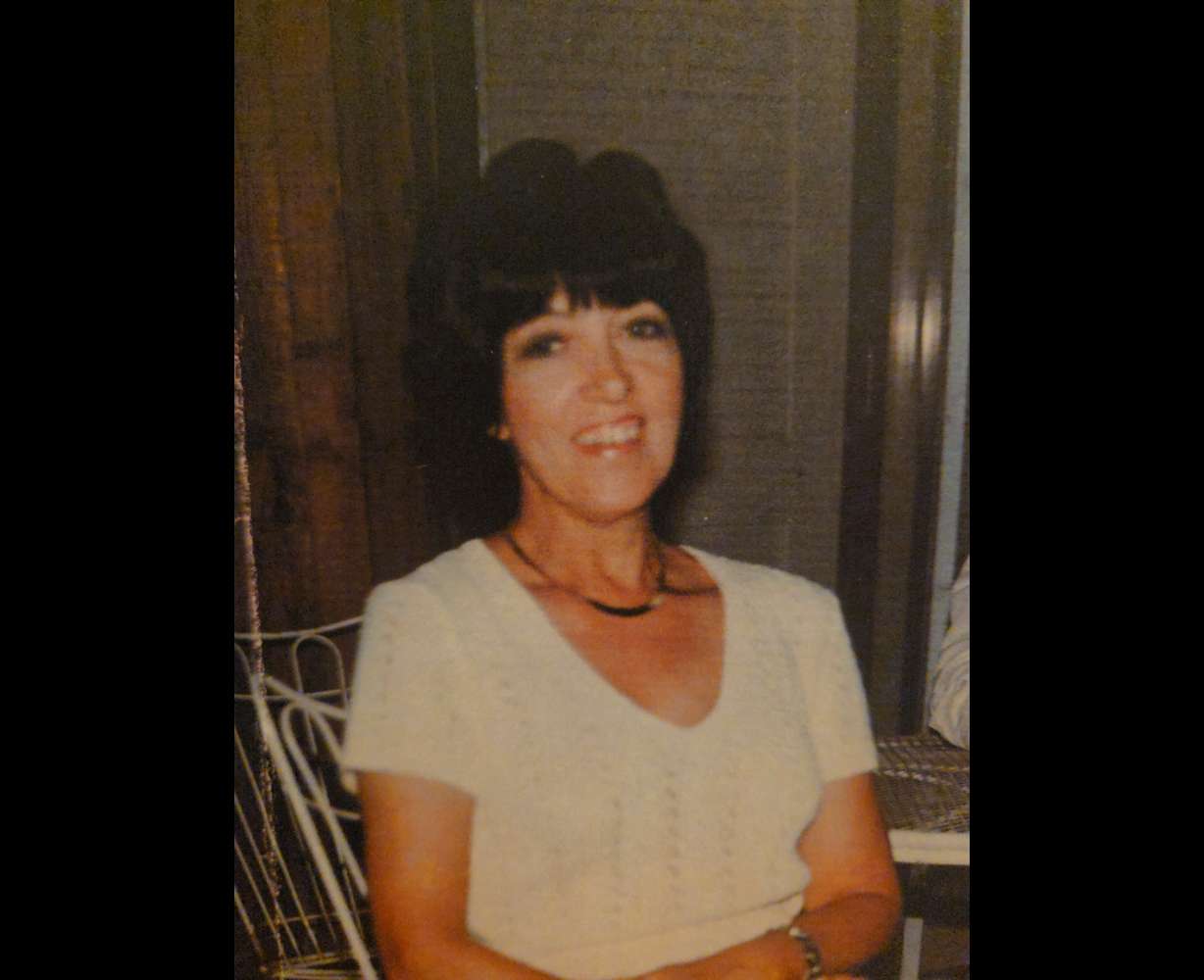
Carter, 71, is accused of killing Eva Olesen, 57, in her Provo home in 1985. He was found guilty and sentenced to death later that year, but the conviction was overturned in 2022. After the DNA results came back excluding Carter, prosecutors announced they are no longer seeking the death penalty. He is still charged with aggravated murder, a first-degree felony.
Fourth District Judge Derek Pullan went through each of the motions that are still outstanding at the hearing as the case prepares for trial next summer. He asked the attorneys to discuss schedules for resolving each of them before a hearing next Tuesday.
A questioned confession
Stephen Jones, deputy Utah County attorney, said they are waiting on a ruling from the judge on whether a confession from Carter will be allowed to be used at the trial before deciding how to argue upcoming motions.
"With the confession still out there, we believe that it's still a strong case," he said.
Carter claims the confession is false and was coerced.
Pullan explained he was waiting for the DNA analysis to be complete to rule on whether the confession should be suppressed, because he needs to consider the strength of the evidence in making his decision. After being told the newly requested DNA test is not expected to point to Carter, the judge said he would begin considering the motion to suppress the confession and make a written ruling.
He will be retiring in December, and said the ruling will likely be his last one on the case.
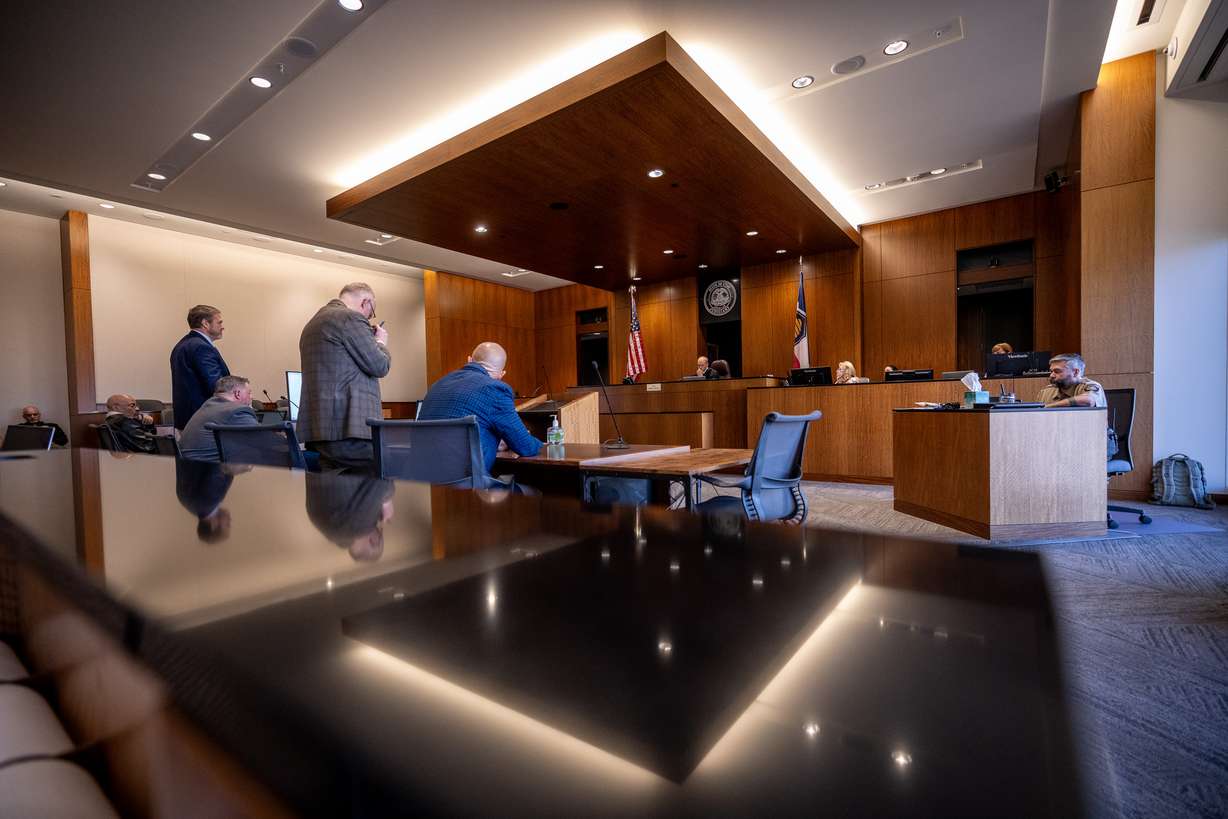
Hamilton said defense attorneys are working as fast as they can to meet the scheduled trial dates. With the DNA evidence showing it is very likely someone else was holding the knife used in the killing, he said they don't know what the prosecutor's theory is.
"We need to know what the allegations are that they're pursuing," he told the judge.
DNA testing
Both sides spoke about wanting a new DNA test, specifically a Forensic Investigative Genetic and Geologic test, to be done on blood samples found at the scene, but attorneys are still considering the process. Pullan said since both sides agree the testing should be done, it seems best to do the testing once rather than have each side order it separately.
This testing goes through DNA profiles to find hereditary markers and compare those to known databases. Hamilton has asked for the tests on a blood sample found outside Olesen's back door and on the handle of the knife used to kill her.
The attorney general's office did not oppose the testing, as prosecutors initially thought they would, Jones said, but instead asked for the results to not be made public.
Jones said the results of the testing may decide how the case moves forward, noting that the evidence could point to an officer on the case rather than another potential suspect.
Richard Gale, another attorney for Carter, said they do not expect this testing to give any additional information pointing to Carter, but he also said it is unlikely to be an officer as the DNA they are testing is blood, and although DNA testing was not done at the time, they did use blood type testing and knew about contamination for blood. He said it could connect the DNA to a relative of some unidentified person who was at the crime scene but was not Carter or an officer.
Jones said that with Carter being released on bail, the case could move at a slower pace, but after the hearing, Hamilton told reporters that Carter is still "not free."
"He has charges pending, he has an ankle monitor, he can't do anything outside of the state of Utah without written permission before — that is not freedom," he said.
Hamilton said they want the DNA tests to "further show" that Carter did not have anything to do with the killing. He said an expert testified that the blood on the knife handle is the killer's blood.
"We're trying to solve the crime," he said.
He said that should be the prosecutors' job, and they are happy to share the results with them now that they're looking into it too.