

- Federal regulators target credit card processors to combat online fraud schemes.
- FTC settlement with Humboldt Merchant Services results in $12 million payment.
- Scams originating on social media cost Americans $2.1 billion in 2025.
SALT LAKE CITY — You order something online. You pay. But you don't get it.
It happened to Joyce Lake. She paid $50 for a doll that she saw advertised on Facebook.
"I decided that I wanted one," she said.
But the doll never showed up.
"It's not right for people to do this," Lake said.
Targeting the middlemen
Federal regulators are now going after more than just the sellers who don't deliver. The Federal Trade Commission is targeting the middlemen: credit card processors who should be doing more to stop fraud, in the eyes of the FTC.
An example from September: In a settlement with the FTC, payment processor Humboldt Merchant Services agreed to pay $12 million and is permanently banned from processing payments for merchants with a heightened risk of potential fraud.
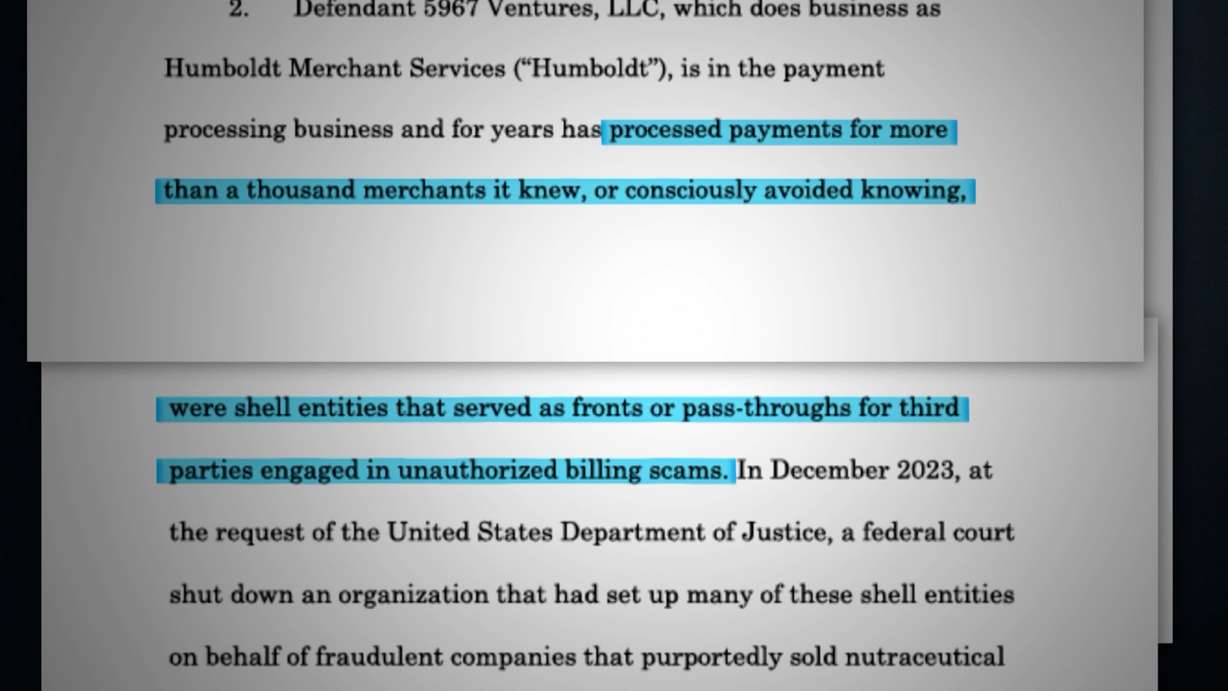
According to the FTC's complaint, the company "processed payments for more than a thousand merchants it knew, or consciously avoided knowing, were shell entities that served as fronts or pass-throughs for third parties engaged in unauthorized billing scams."
Particularly striking: The FTC said some merchants had chargeback rates almost 10 times higher than what credit card networks consider excessive.
Scammers getting around chargebacks
A chargeback is an important protection for consumers. When a credit card is used and there's fraud, consumers can dispute the charge and hopefully get their money back.
But these days, some bogus merchants are getting away from taking credit cards altogether. Instead, they're asking customers to pay through peer-to-peer payment apps like Venmo or PayPal.
Those payments can act a lot more like cash. Once the money is sent, it's often just gone, without much recourse.
Scams starting on social media costing Americans Billions
Joyce is in good company, according to an April report from the Federal Trade Commission.
In 2025, nearly 30% of people who reported losing money to a scam said it started on social media, with reported losses reaching a staggering $2.1 billion.
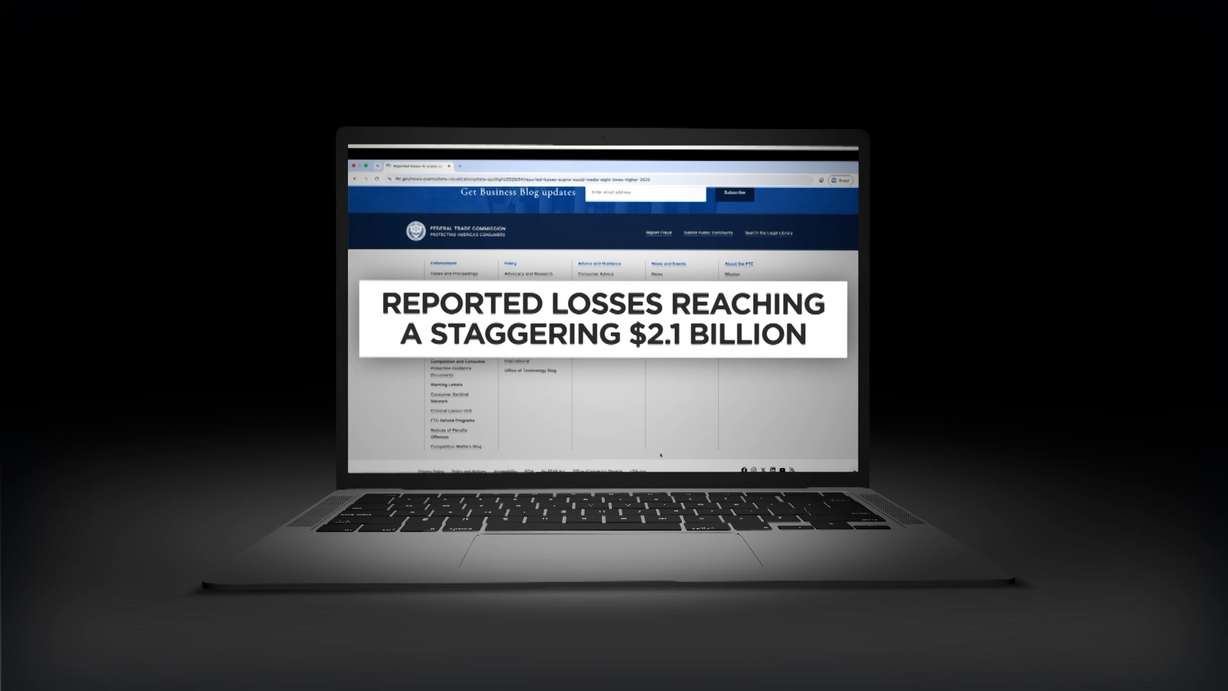
That's about eight times the amount reported just five years earlier.
And shopping scams, like the one Joyce encountered, were the most commonly reported type of scam originating on social media.
More than 40% of people who reported losing money to a social media scam said it started when they ordered something they saw in an ad.
In 2025, people reported more money lost to scams that started on Facebook than on any other social media platform, the FTC said.
The FTC said scammers can buy social media ads using the same tools legitimate businesses use to target potential customers based on their age, interests and shopping habits.