'%3e%3cpath%20d='M34.1406%205.85938C30.3906%202.10547%2025.3047%200%2020%200C14.6953%200%209.60938%202.10547%205.85938%205.85938C2.10938%209.61328%200%2014.6953%200%2020C0%2025.3047%202.10547%2030.3906%205.85938%2034.1406C9.61328%2037.8906%2014.6953%2040%2020%2040C25.3047%2040%2030.3906%2037.8945%2034.1406%2034.1406C37.8906%2030.3906%2040%2025.3047%2040%2020C40%2014.6953%2037.8945%209.60938%2034.1406%205.85938ZM37.0117%2023.543H31.1602V13.5391H27.6328V19.9414C28.1211%2020.6914%2028.3711%2021.582%2028.3711%2022.5625V22.625C28.3711%2023.668%2028.1172%2024.6055%2027.6328%2025.4297V26.6094H36.082C33.4883%2032.9375%2027.2891%2037.3789%2020.0039%2037.3789C10.3711%2037.3789%202.62109%2029.6289%202.62109%2020C2.62109%2010.3711%2010.3711%202.62109%2020%202.62109C29.6289%202.62109%2037.3789%2010.3711%2037.3789%2020C37.3789%2021.1484%2037.2617%2022.2656%2037.0508%2023.3477C37.0391%2023.4141%2037.0234%2023.4766%2037.0117%2023.543Z'%20fill='white'/%3e%3cpath%20d='M22.3086%2018.5352C20.4336%2018.125%2019.9531%2017.8398%2019.9766%2017.1836V17.1406C19.9766%2016.6992%2020.3477%2016.2148%2021.4023%2016.2148C22.582%2016.2148%2023.8867%2016.6797%2025.0781%2017.4766L26.8516%2015.0195C25.4453%2013.8906%2023.707%2013.3398%2021.5547%2013.3398C18.5195%2013.3398%2016.4375%2015%2016.4063%2017.4766V17.5352C16.3633%2020.2617%2018.5859%2020.9805%2021.293%2021.6016C23.0391%2021.9766%2023.5703%2022.3164%2023.5703%2022.9609L23.5469%2022.9766C23.5469%2023.3906%2023.2578%2023.7031%2022.7852%2023.8359C22.5742%2023.9062%2022.1289%2023.9727%2021.5156%2023.9727C20.7617%2023.9727%2019.7539%2023.8633%2018.6328%2023.4844C18.0898%2023.2891%2017.4727%2023.0039%2016.8047%2022.6133L20.1406%2026.625C20.2813%2026.6602%2021.0977%2026.8516%2021.7734%2026.8516C25.0039%2026.8516%2027.0859%2025.2461%2027.1094%2022.6328V22.5703C27.1602%2020.1133%2025.2148%2019.1719%2022.3086%2018.5352Z'%20fill='white'/%3e%3cpath%20d='M5.24219%2013.5664V26.6133H8.75391V23.7578L10.2969%2021.9531L14.2031%2026.6133H18.3867L12.3555%2019.5195L17.4023%2013.5664H13.4531L8.75391%2019.0586V13.5664H5.24219Z'%20fill='white'/%3e%3c/g%3e%3cdefs%3e%3cclipPath%20id='clip0_97_2430'%3e%3crect%20width='40'%20height='40'%20fill='white'/%3e%3c/clipPath%3e%3c/defs%3e%3c/svg%3e)




- The Utah Civil Air Patrol and Utah Army National Guard conducted an emergency exercise.
- The exercise simulated a 7.0-magnitude earthquake under Salt Lake City for training.
- Both agencies successfully coordinated disaster relief efforts in under the allotted time.
SALT LAKE CITY — The 2020 earthquake shook up the Wasatch Front with a 5.7-magnitude earthquake that struck near Magna. What would happen if a bigger one hit directly under Salt Lake City? What impact would it have on the buildings? What would be the emergency response?
The Utah Civil Air Patrol partnered with the Utah Army National Guard to conduct a joint exercise that provided real-world, scenario-based natural disaster response training for both agencies.
The exercise, known as "Red Iguana," tested both agencies' response to a simulated 7.0-magnitude earthquake with an epicenter about 12 kilometers beneath the Red Iguana restaurant in Salt Lake City.
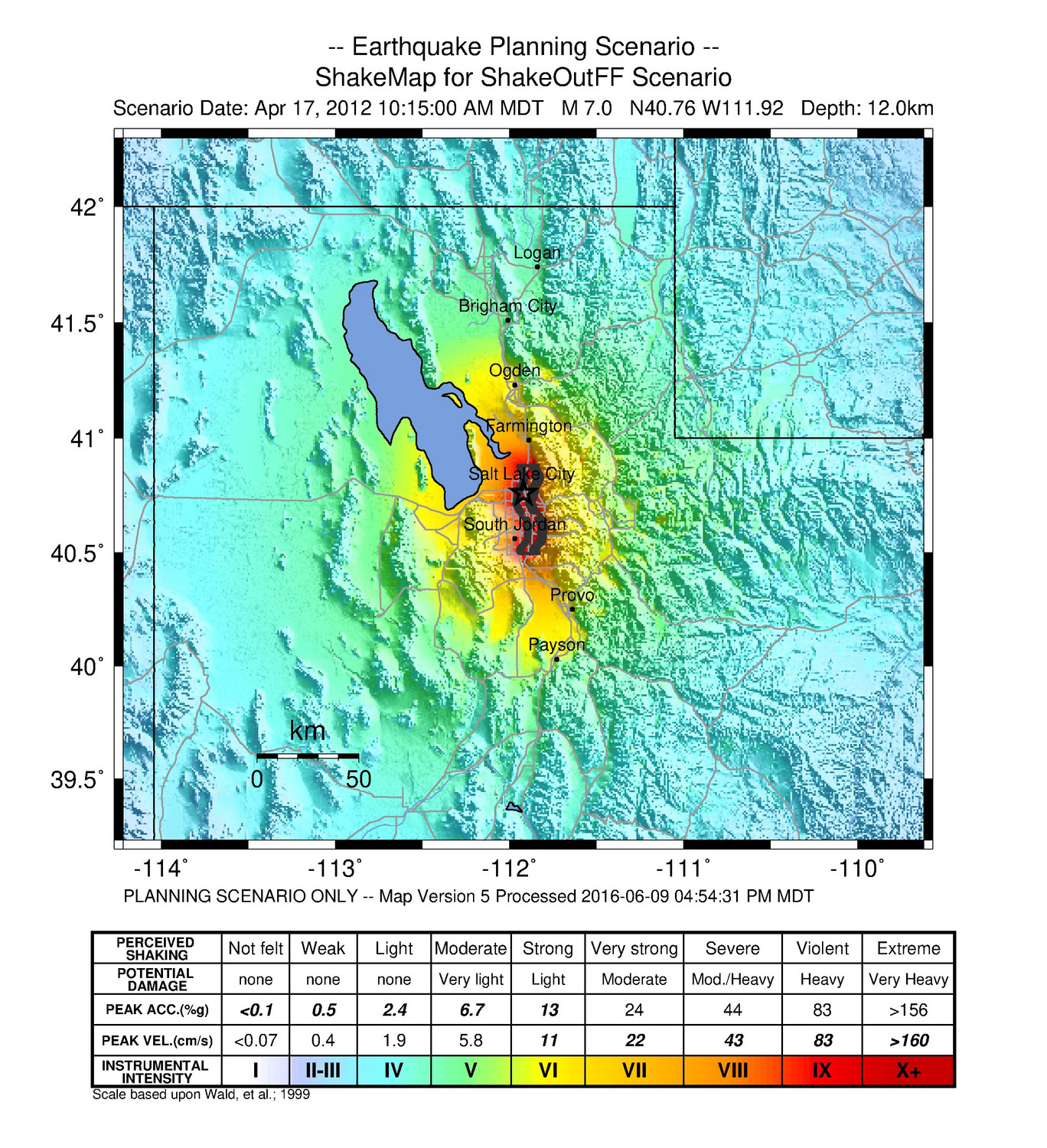
Both groups have been aware of the ongoing potential for a major earthquake, according to 2nd Lt. Mike Creer with the Utah Civil Air Patrol, thanks to information provided by both the University of Utah and the United States Geological Survey.
The Utah Civil Air Patrol was given an hour to complete the objectives assigned by the Utah Army National Guard in late August. The exercise was planned to see how well the two groups could work together and coordinate disaster relief for Salt Lake City, assuming that the Salt Lake International Airport had taken some damage, but flights were still able to take off for reconnaissance.
"This exercise is for emergency response," said Utah Army National Guard 1st Lt. London Chapman. "In the event of a significant natural disaster, this type of mission allows us to quickly assess the critical infrastructure damage and provide the state with actionable information which they can use to assist the residents and expeditiously bring damaged critical infrastructures back online."
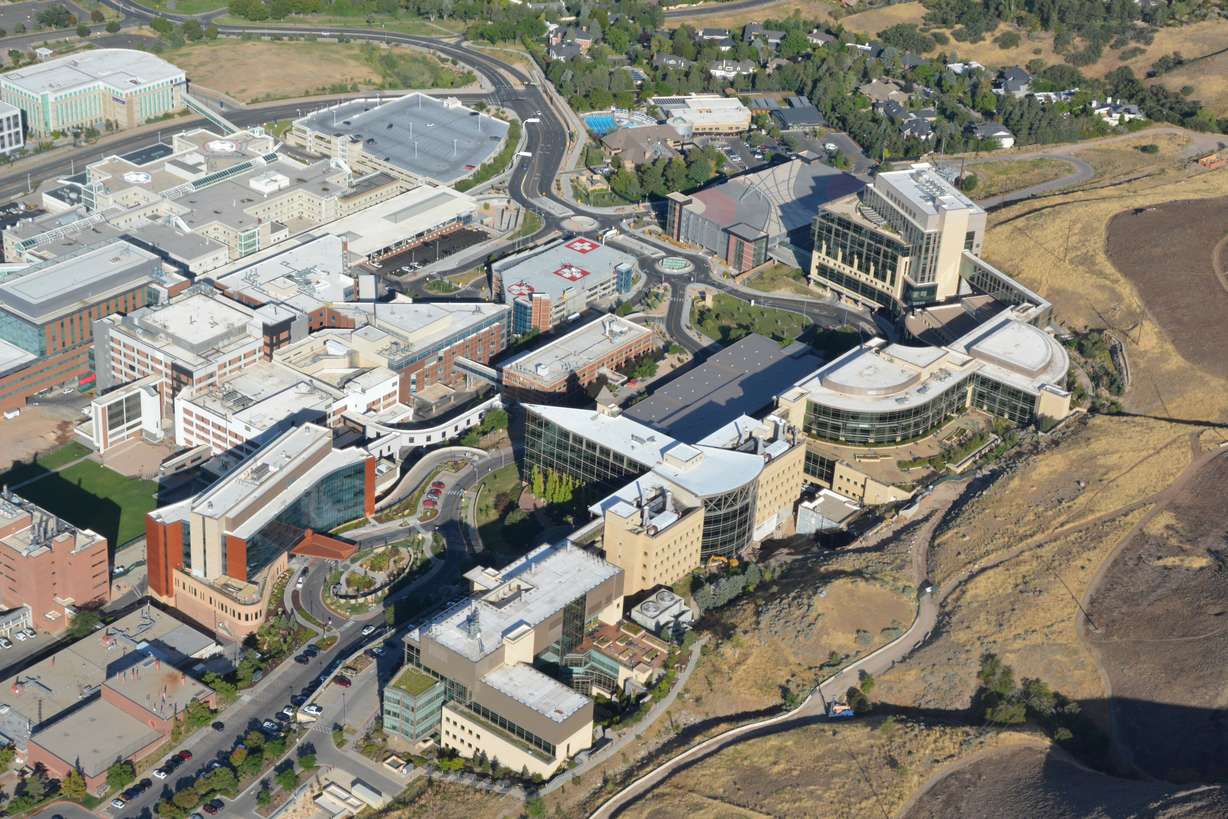
The crew flew over the University of Utah Medical Center and the Intermountain Health LDS Hospital, taking photos that would be examined by the National Guard for structural analysis.
The crew returned to the Salt Lake International Airport in just 33 minutes, 27 minutes under their allotted time. Chapman said the exercise "went really well" and praised the professionalism of the Utah Civil Air Patrol. Creer said he was "very excited" about their successful partnership.
"I and my team are thrilled to be able to work with the National Guard, and we are very happy with our results," Creer said.