'%3e%3cpath%20d='M34.1406%205.85938C30.3906%202.10547%2025.3047%200%2020%200C14.6953%200%209.60938%202.10547%205.85938%205.85938C2.10938%209.61328%200%2014.6953%200%2020C0%2025.3047%202.10547%2030.3906%205.85938%2034.1406C9.61328%2037.8906%2014.6953%2040%2020%2040C25.3047%2040%2030.3906%2037.8945%2034.1406%2034.1406C37.8906%2030.3906%2040%2025.3047%2040%2020C40%2014.6953%2037.8945%209.60938%2034.1406%205.85938ZM37.0117%2023.543H31.1602V13.5391H27.6328V19.9414C28.1211%2020.6914%2028.3711%2021.582%2028.3711%2022.5625V22.625C28.3711%2023.668%2028.1172%2024.6055%2027.6328%2025.4297V26.6094H36.082C33.4883%2032.9375%2027.2891%2037.3789%2020.0039%2037.3789C10.3711%2037.3789%202.62109%2029.6289%202.62109%2020C2.62109%2010.3711%2010.3711%202.62109%2020%202.62109C29.6289%202.62109%2037.3789%2010.3711%2037.3789%2020C37.3789%2021.1484%2037.2617%2022.2656%2037.0508%2023.3477C37.0391%2023.4141%2037.0234%2023.4766%2037.0117%2023.543Z'%20fill='white'/%3e%3cpath%20d='M22.3086%2018.5352C20.4336%2018.125%2019.9531%2017.8398%2019.9766%2017.1836V17.1406C19.9766%2016.6992%2020.3477%2016.2148%2021.4023%2016.2148C22.582%2016.2148%2023.8867%2016.6797%2025.0781%2017.4766L26.8516%2015.0195C25.4453%2013.8906%2023.707%2013.3398%2021.5547%2013.3398C18.5195%2013.3398%2016.4375%2015%2016.4063%2017.4766V17.5352C16.3633%2020.2617%2018.5859%2020.9805%2021.293%2021.6016C23.0391%2021.9766%2023.5703%2022.3164%2023.5703%2022.9609L23.5469%2022.9766C23.5469%2023.3906%2023.2578%2023.7031%2022.7852%2023.8359C22.5742%2023.9062%2022.1289%2023.9727%2021.5156%2023.9727C20.7617%2023.9727%2019.7539%2023.8633%2018.6328%2023.4844C18.0898%2023.2891%2017.4727%2023.0039%2016.8047%2022.6133L20.1406%2026.625C20.2813%2026.6602%2021.0977%2026.8516%2021.7734%2026.8516C25.0039%2026.8516%2027.0859%2025.2461%2027.1094%2022.6328V22.5703C27.1602%2020.1133%2025.2148%2019.1719%2022.3086%2018.5352Z'%20fill='white'/%3e%3cpath%20d='M5.24219%2013.5664V26.6133H8.75391V23.7578L10.2969%2021.9531L14.2031%2026.6133H18.3867L12.3555%2019.5195L17.4023%2013.5664H13.4531L8.75391%2019.0586V13.5664H5.24219Z'%20fill='white'/%3e%3c/g%3e%3cdefs%3e%3cclipPath%20id='clip0_97_2430'%3e%3crect%20width='40'%20height='40'%20fill='white'/%3e%3c/clipPath%3e%3c/defs%3e%3c/svg%3e)



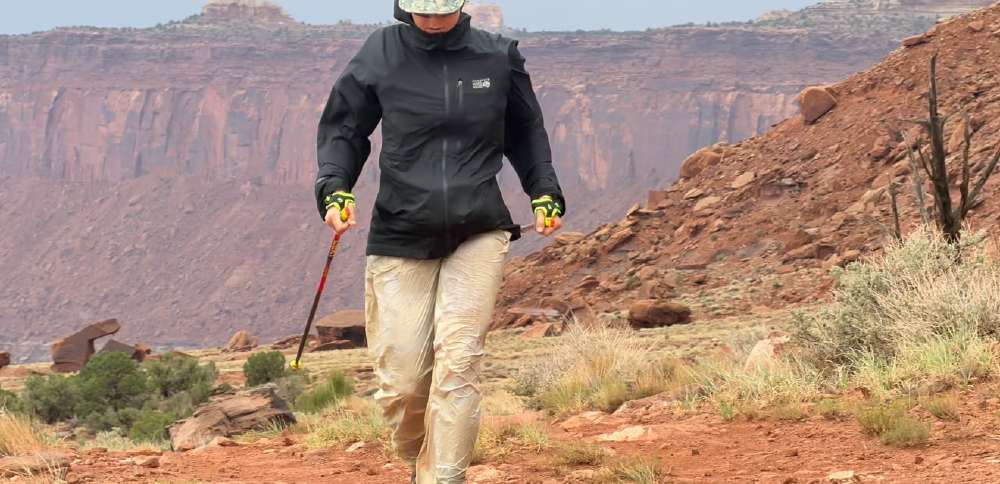
- The Moab 240 race halted due to severe weather, affecting about 130 runners.
- Runners faced torrential rain and wind, highlighting unpredictable mountain weather challenges.
- Participant Brian Jones praised organizers' preparedness despite extreme conditions.
MOAB — Nearly 100 miles into a 240-mile race in Moab, around 130 runners were told that due to weather, they could not safely continue on.
Some runners completed over 200 miles before extreme weather conditions stopped them. All runners were accounted for, according to race organizers.
Brian Jones of Spanish Fork was one of the runners in the prestigious ultra-marathon event, and he told KSL that the race started out as a "normal day."
"The big news is the storm," he said. "What I hope people understand is what happened the first day of the race, which was a normal day in Moab in October, which means it's hot and sunny."
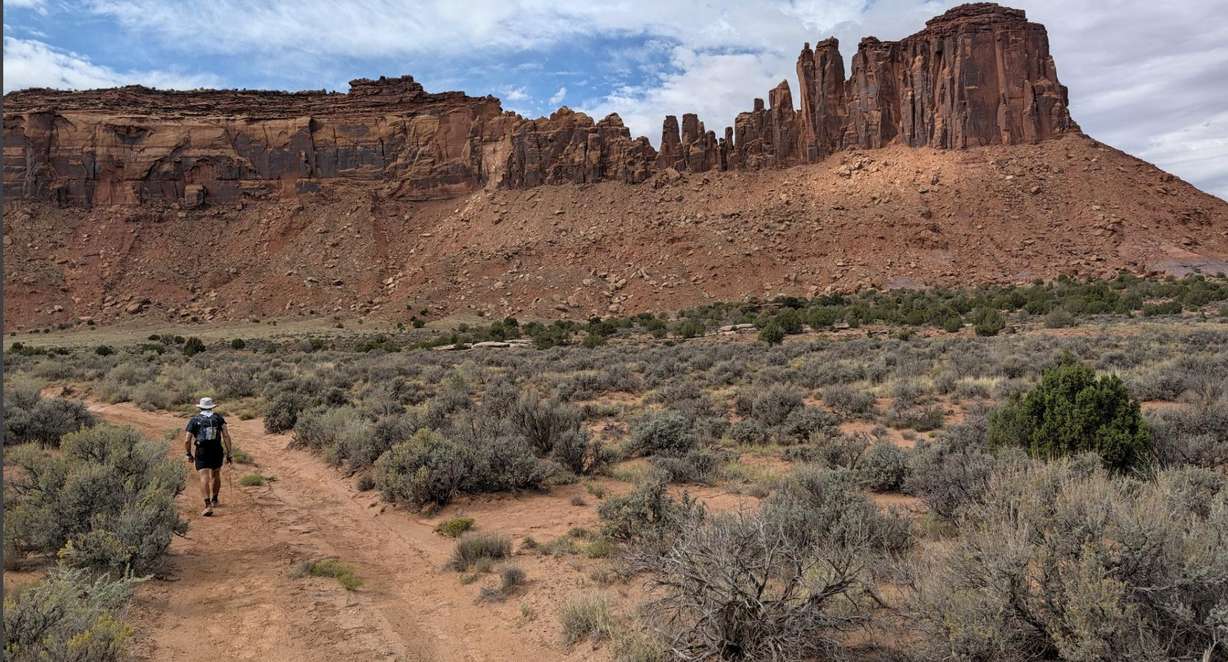
The race started on Friday, welcoming runners from all over the world to experience hundreds of miles through the La Sal Mountains. It is also part of the Triple Crown of 200s run by Destination Trail, which includes the Tahoe 200 in Lake Tahoe, California, and the Bigfoot 200 that takes place in the Cascade Mountains of Washington.
Jones said many who sign up for races like these do so for a "certain type of fun," adding that he has a personal tie to the race.
"What got me into ultra-marathoning, and especially this race, is that my brother was really into ultra-marathoning," Jones said. "He passed away in an accident 10 years ago, and this race is named after him. It's the Stephen Jones Memorial Run because he dreamed up the idea of having a 200-miler in Utah."
"The race director put it on after his death," Jones continued. "When things get really difficult, he would remind himself that, 'Hey, I'm one of the lucky ones,' and he would just tell himself that, and I've grown to really understand what he means by that."
At the race this weekend, Jones made his way through miles and miles of sun and heat exposure, only to find himself in another form of extreme weather that included torrential rain and 30-mph wind gusts. Even so, he still counted himself as one of the "lucky ones" to be out there.
He also said weather is one of those things that can be difficult to predict in remote areas like the La Sal Mountains — particularly at Bridger Jack, where runners were stopped. In fact, that particular location is between Moab and Monticello, near the edge of Canyonlands National Park, with a 15-mile trek to the nearest paved road.
"If anybody pulls up to see where Bridger Jack is in relation to Moab or Monticello, which weather report are you even going to look at as a runner when you're out there and tired?" he asked.
The aid station at Bridger Jack became a resting spot for many throughout Friday night, including Matt Van Horn of Farmington, who was running as a pacer for a female competitor.
"I was awakened by the station captain, saying something about the impending swelling of the aid station because runners were coming back on the course after going out and experiencing flash floods further on the course," Van Horn recalled. "There were easily 100 runners there; some estimated about 130 runners who were gathered around the fires, all trying to stay warm. It was cold, windy, and heavy rain for most of the night."
Like many other runners, Van Horn and his runner Madeline Brady of Miami, Florida, opted to run the 15 miles out to the nearest road to catch a ride back to town.
"Overall, it was a positive experience, but I can't overstate how miserable the stay at Bridger Jack during the night was," he said. "That was a test of endurance in itself."
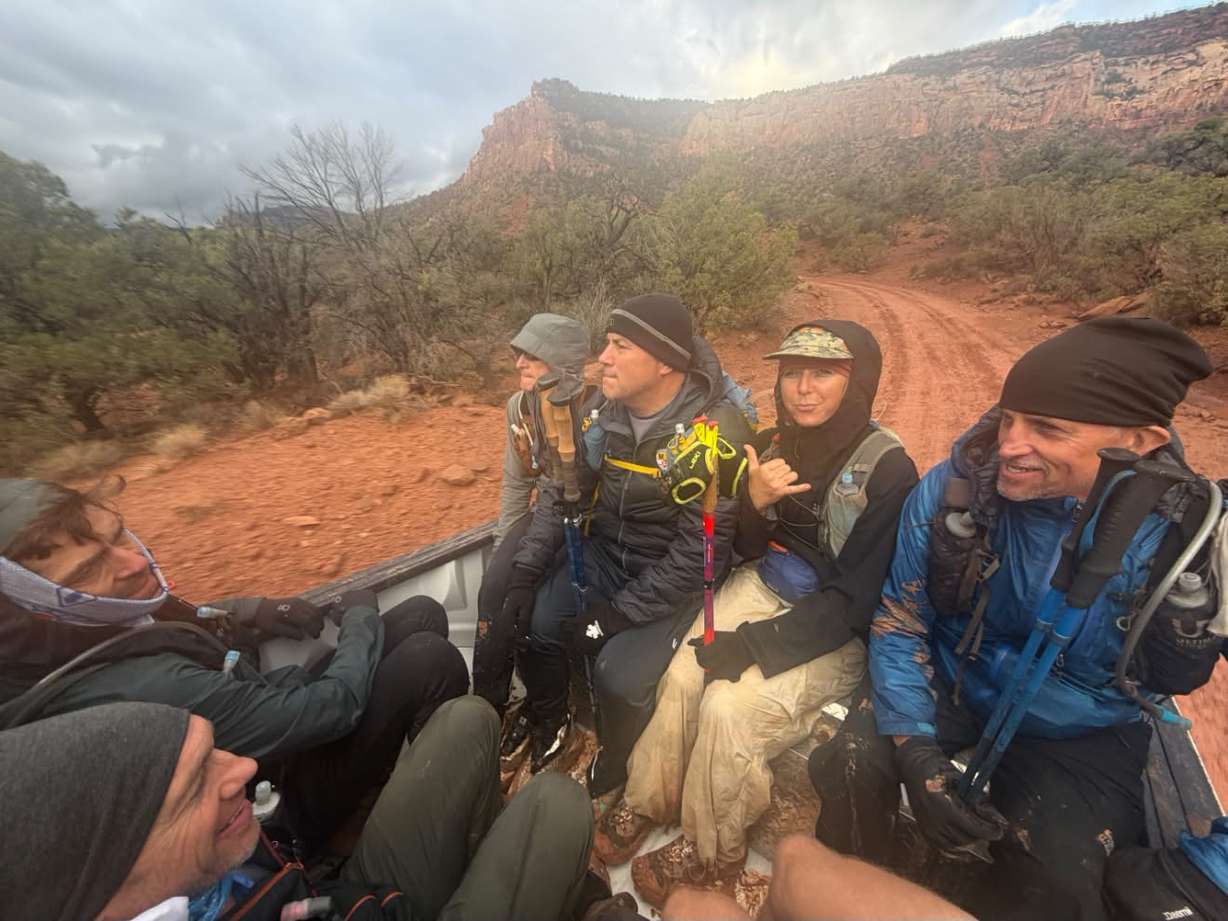
Jones said he was pleased by the way race organizers handled the situation and how they prepared runners for a variety of conditions along the way, while suggesting that next time, race organizers add a "contingency route" to reroute runners in the event of an emergency.
"They had a mandatory gear check before we started the race with a list of things like an emergency blanket, emergency poncho and different kinds of things that we had to carry at all times to make sure that we could at least survive in an emergency," he said, adding that things like these happen.
"You come and try your hardest, and things happen," he continued. "You can't plan for everything. I saw a lot of people with a positive attitude. Pick your head up and look forward to the next thing that you get to do."