'%3e%3cpath%20d='M34.1406%205.85938C30.3906%202.10547%2025.3047%200%2020%200C14.6953%200%209.60938%202.10547%205.85938%205.85938C2.10938%209.61328%200%2014.6953%200%2020C0%2025.3047%202.10547%2030.3906%205.85938%2034.1406C9.61328%2037.8906%2014.6953%2040%2020%2040C25.3047%2040%2030.3906%2037.8945%2034.1406%2034.1406C37.8906%2030.3906%2040%2025.3047%2040%2020C40%2014.6953%2037.8945%209.60938%2034.1406%205.85938ZM37.0117%2023.543H31.1602V13.5391H27.6328V19.9414C28.1211%2020.6914%2028.3711%2021.582%2028.3711%2022.5625V22.625C28.3711%2023.668%2028.1172%2024.6055%2027.6328%2025.4297V26.6094H36.082C33.4883%2032.9375%2027.2891%2037.3789%2020.0039%2037.3789C10.3711%2037.3789%202.62109%2029.6289%202.62109%2020C2.62109%2010.3711%2010.3711%202.62109%2020%202.62109C29.6289%202.62109%2037.3789%2010.3711%2037.3789%2020C37.3789%2021.1484%2037.2617%2022.2656%2037.0508%2023.3477C37.0391%2023.4141%2037.0234%2023.4766%2037.0117%2023.543Z'%20fill='white'/%3e%3cpath%20d='M22.3086%2018.5352C20.4336%2018.125%2019.9531%2017.8398%2019.9766%2017.1836V17.1406C19.9766%2016.6992%2020.3477%2016.2148%2021.4023%2016.2148C22.582%2016.2148%2023.8867%2016.6797%2025.0781%2017.4766L26.8516%2015.0195C25.4453%2013.8906%2023.707%2013.3398%2021.5547%2013.3398C18.5195%2013.3398%2016.4375%2015%2016.4063%2017.4766V17.5352C16.3633%2020.2617%2018.5859%2020.9805%2021.293%2021.6016C23.0391%2021.9766%2023.5703%2022.3164%2023.5703%2022.9609L23.5469%2022.9766C23.5469%2023.3906%2023.2578%2023.7031%2022.7852%2023.8359C22.5742%2023.9062%2022.1289%2023.9727%2021.5156%2023.9727C20.7617%2023.9727%2019.7539%2023.8633%2018.6328%2023.4844C18.0898%2023.2891%2017.4727%2023.0039%2016.8047%2022.6133L20.1406%2026.625C20.2813%2026.6602%2021.0977%2026.8516%2021.7734%2026.8516C25.0039%2026.8516%2027.0859%2025.2461%2027.1094%2022.6328V22.5703C27.1602%2020.1133%2025.2148%2019.1719%2022.3086%2018.5352Z'%20fill='white'/%3e%3cpath%20d='M5.24219%2013.5664V26.6133H8.75391V23.7578L10.2969%2021.9531L14.2031%2026.6133H18.3867L12.3555%2019.5195L17.4023%2013.5664H13.4531L8.75391%2019.0586V13.5664H5.24219Z'%20fill='white'/%3e%3c/g%3e%3cdefs%3e%3cclipPath%20id='clip0_97_2430'%3e%3crect%20width='40'%20height='40'%20fill='white'/%3e%3c/clipPath%3e%3c/defs%3e%3c/svg%3e)




- State forester Jamie Barnes defends Utah's wildfire efforts amid extreme conditions.
- Barnes cites drought and fire conditions overwhelming years of mitigation work.
- Rep. Mike Kennedy criticizes decades of mismanagement despite recent prevention investments.
SALT LAKE CITY — In trying to understand why so much of their state has burned this year, some wildfire victims have blamed U.S. Forest Service officials for what they call a lack of forest management.
Those officials disputed the claims, saying the state's drought and fire conditions are so bad that no amount of wildfire mitigation could have prevented the devastation.
Andy Anderson, whose family ranch was destroyed in the Cottonwood Fire, accused the U.S. Forest Service of inaction.
"The forest service has done nothing for 50, 60 years," Anderson said. "In the olden days, they used to use the forest. They would carefully select the logs, they would log it."
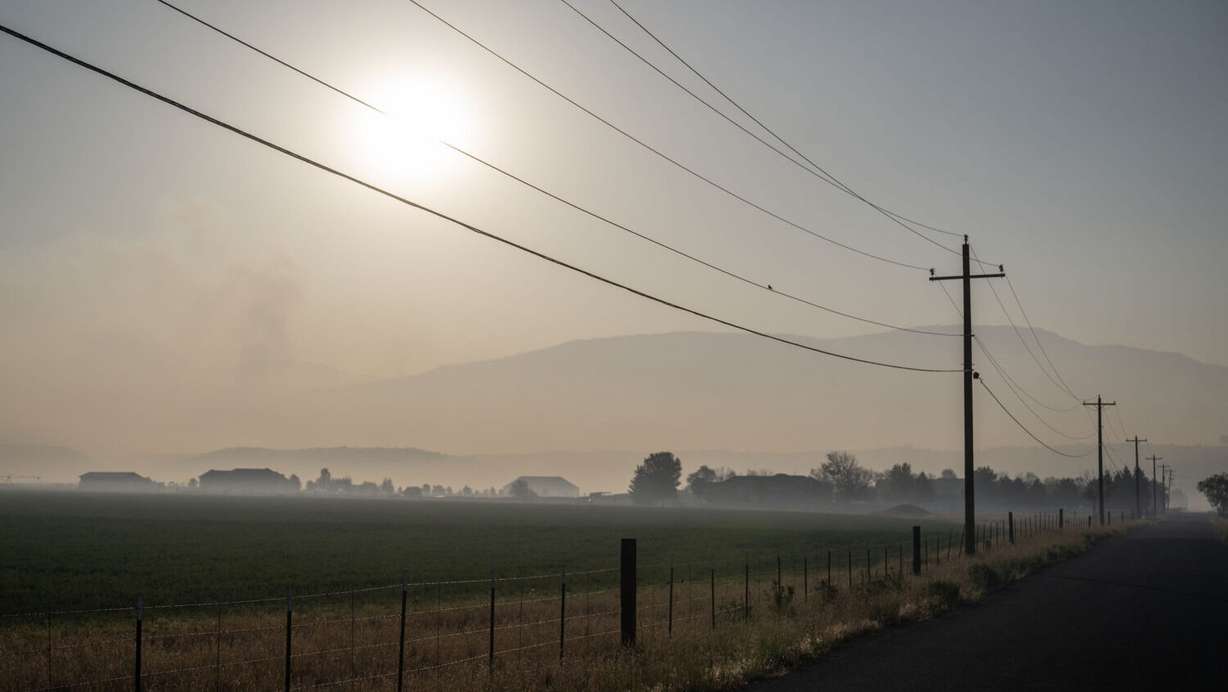
Anderson said officials were "not letting people use them, not letting them thin them," and that the fire's devastation could have been avoided.
"If they just spent a little bit of money to take care of it and groom the forest, they could have prevented this," he claimed, "but now they're spending hundreds and millions of dollars to attenuate the problem after it's happened."
'Not designed as standalone defenses'
Jamie Barnes, director and state forester for the Utah Division of Forestry, Fire and State Lands, said the Beaver area was actually one of the state's model zones for wildfire prevention — a place she would take people to showcase interagency success.
But despite that work, Barnes said extreme conditions overwhelmed years of treatment.
"We were in a low snowpack year, historical drought," Barnes said. "The days that fire was burning, we had red flag conditions that just basically overwhelmed what any mitigation work could have done."
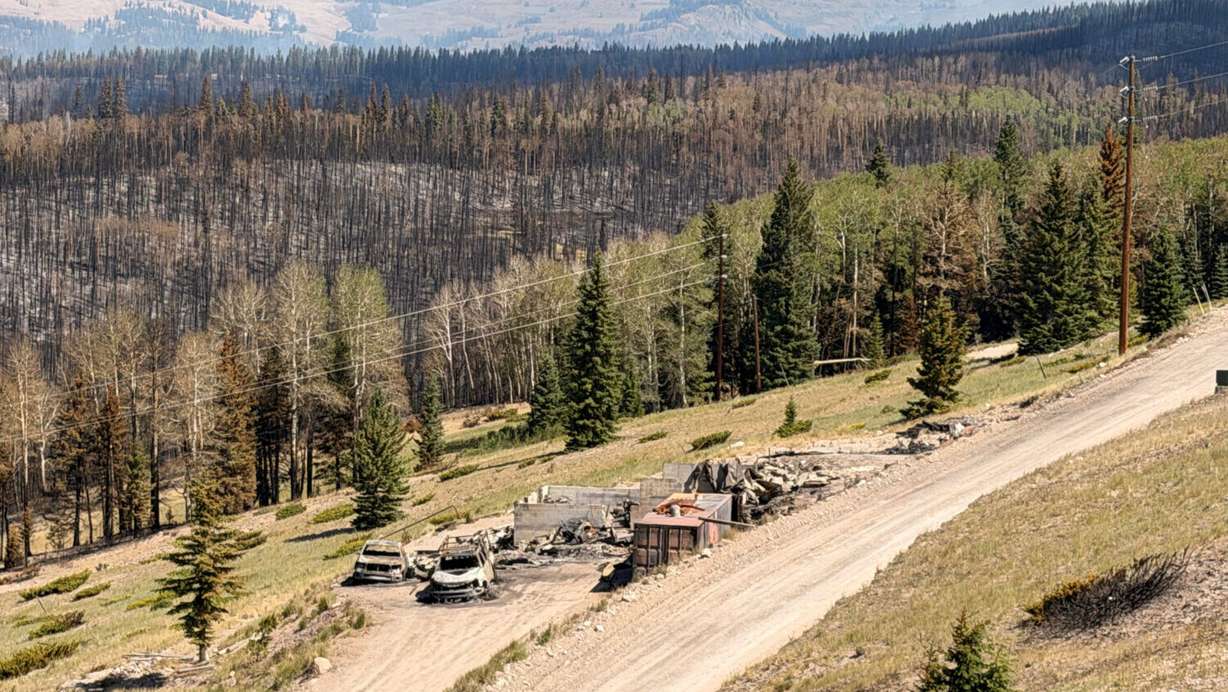
Barnes said fuel treatments — including mechanical thinning, mastication, chipping and prescribed burns — were designed to reduce fire intensity under normal conditions. They were not designed to withstand the kind of extreme weather that drove the Cottonwood Fire.
"We do fuel treatments for a reason. We thin, we do prescribed burns, and we do that to try to reduce fire intensity under normal conditions," Barnes said. "But those fuel treatments are not designed as standalone defenses."
Barnes explained people may not be able to see their efforts as successful when there is extreme weather or wind-driven weather events.
Lack of capacity, not money
In 2025, the Utah Legislature passed HB307, which set aside a minimum of $10 million annually from the newly created Utah Wildfire Fund for wildfire prevention, preparedness and mitigation. In 2026 alone, the state put $7 million into various areas throughout the state, she said.
Separately, through a shared stewardship agreement with the U.S. Forest Service, the state treated upwards of 100,000 acres of forest land — work funded by a combination of state and federal dollars totaling upwards of $40 million over multiple years. Under that agreement, the state can put state dollars on federal land because, as Barnes put it, "fire knows no boundaries."
Barnes acknowledged there is always more work to be done, but said it was not primarily a funding problem.
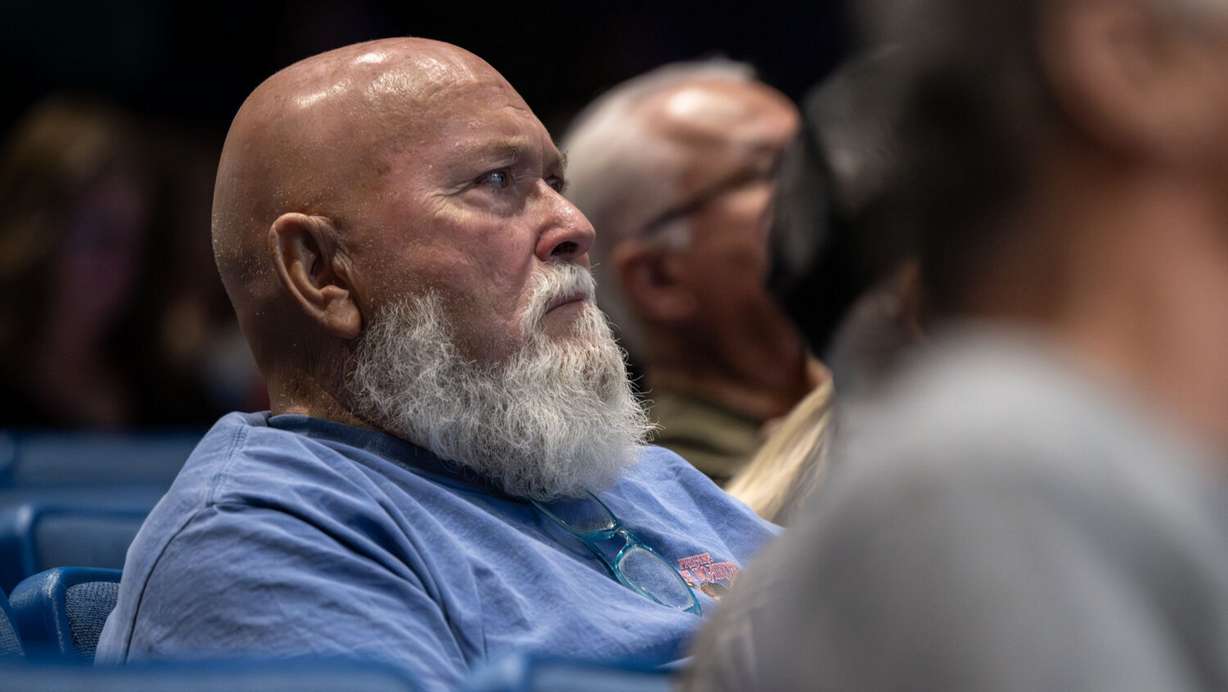
"Even if they gave us more than that $10 million to put on the landscape, we have a capacity issue," Barnes said. "That takes a lot of people and a lot of contractors to put that money down and get that work done."
She said the state could treat hundreds of thousands of acres per year and it still would not be enough.
"We've got an overload of fuel on the landscape," Barnes said.
'Years of mismanagement'
Rep. Mike Kennedy, R-Utah, is advocating for improvements to wildfire mitigation policies. He told KSL he is supporting several pieces of wildfire legislation on the federal level.
Kennedy said the federal government has allocated $4 billion for nationwide fire prevention efforts. Combined with state dollars, he said, there are ample resources available. However, he called the investments "too little, too late."
"It doesn't matter what you're doing today if you have not done those things over the past several decades," Kennedy said.
Kennedy, also a physician, compared wildfire mitigation efforts and the removal of dead trees to the removal of a tumor before cancer spreads throughout the body. He recalled a trip to the Beaver area about 15 years ago, saying he had seen the problem even then.
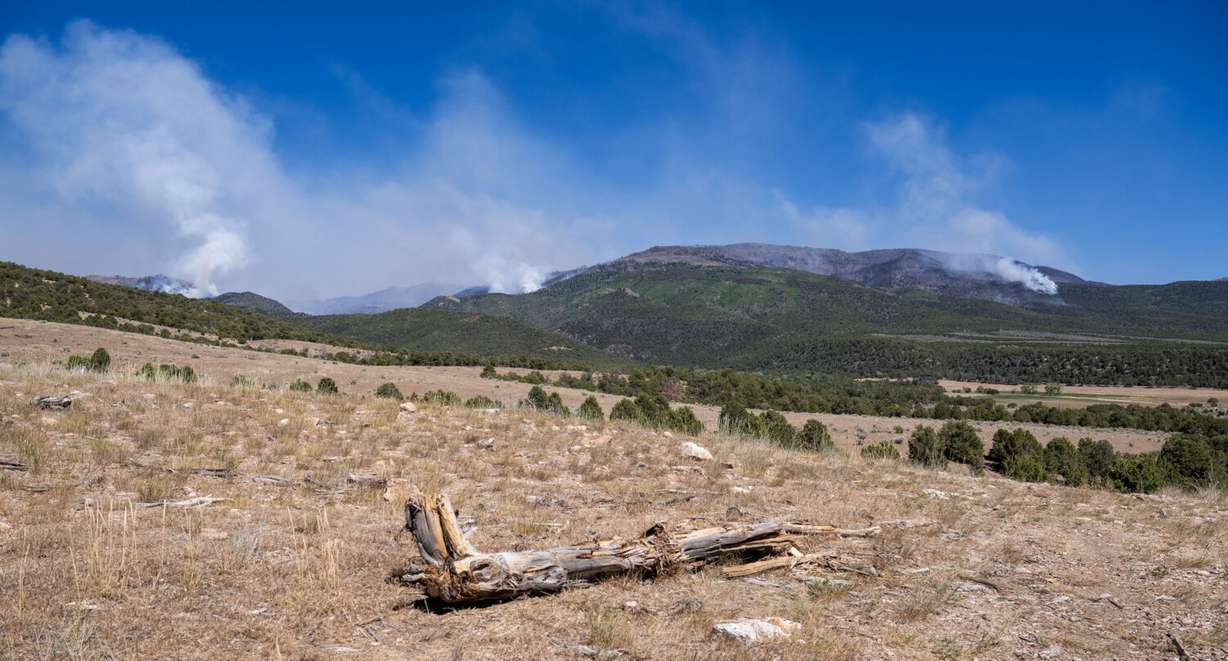
"What is happening today is not just today. This has been going on for decades," he reiterated. "We have mismanaged our federal lands and have allowed this dead timber to just sit there for ages, waiting for this terrible tragedy to happen."
He acknowledged Barnes' comments about the recent efforts to clean up the forests near Beaver, but said the more recent efforts do little to make up for the years of mismanagement.
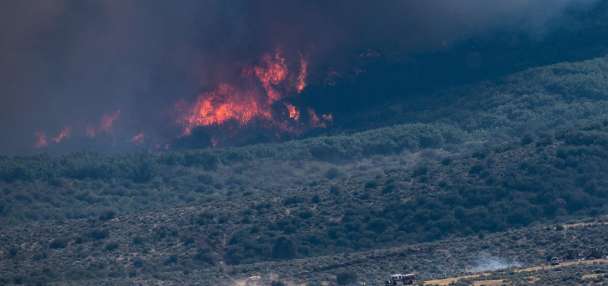
The Cottonwood Fire ignited June 22 in the Fishlake National Forest, approximately five miles east of Beaver. As of Wednesday, the fire had burned approximately 94,000 acres across Beaver and Piute counties and was 19% contained. About 150 structures have been destroyed.
As of Tuesday night, Utah Fire Info reported that wildfires have so far consumed 346,871 acres in Utah in 2026.