'%3e%3cpath%20d='M34.1406%205.85938C30.3906%202.10547%2025.3047%200%2020%200C14.6953%200%209.60938%202.10547%205.85938%205.85938C2.10938%209.61328%200%2014.6953%200%2020C0%2025.3047%202.10547%2030.3906%205.85938%2034.1406C9.61328%2037.8906%2014.6953%2040%2020%2040C25.3047%2040%2030.3906%2037.8945%2034.1406%2034.1406C37.8906%2030.3906%2040%2025.3047%2040%2020C40%2014.6953%2037.8945%209.60938%2034.1406%205.85938ZM37.0117%2023.543H31.1602V13.5391H27.6328V19.9414C28.1211%2020.6914%2028.3711%2021.582%2028.3711%2022.5625V22.625C28.3711%2023.668%2028.1172%2024.6055%2027.6328%2025.4297V26.6094H36.082C33.4883%2032.9375%2027.2891%2037.3789%2020.0039%2037.3789C10.3711%2037.3789%202.62109%2029.6289%202.62109%2020C2.62109%2010.3711%2010.3711%202.62109%2020%202.62109C29.6289%202.62109%2037.3789%2010.3711%2037.3789%2020C37.3789%2021.1484%2037.2617%2022.2656%2037.0508%2023.3477C37.0391%2023.4141%2037.0234%2023.4766%2037.0117%2023.543Z'%20fill='white'/%3e%3cpath%20d='M22.3086%2018.5352C20.4336%2018.125%2019.9531%2017.8398%2019.9766%2017.1836V17.1406C19.9766%2016.6992%2020.3477%2016.2148%2021.4023%2016.2148C22.582%2016.2148%2023.8867%2016.6797%2025.0781%2017.4766L26.8516%2015.0195C25.4453%2013.8906%2023.707%2013.3398%2021.5547%2013.3398C18.5195%2013.3398%2016.4375%2015%2016.4063%2017.4766V17.5352C16.3633%2020.2617%2018.5859%2020.9805%2021.293%2021.6016C23.0391%2021.9766%2023.5703%2022.3164%2023.5703%2022.9609L23.5469%2022.9766C23.5469%2023.3906%2023.2578%2023.7031%2022.7852%2023.8359C22.5742%2023.9062%2022.1289%2023.9727%2021.5156%2023.9727C20.7617%2023.9727%2019.7539%2023.8633%2018.6328%2023.4844C18.0898%2023.2891%2017.4727%2023.0039%2016.8047%2022.6133L20.1406%2026.625C20.2813%2026.6602%2021.0977%2026.8516%2021.7734%2026.8516C25.0039%2026.8516%2027.0859%2025.2461%2027.1094%2022.6328V22.5703C27.1602%2020.1133%2025.2148%2019.1719%2022.3086%2018.5352Z'%20fill='white'/%3e%3cpath%20d='M5.24219%2013.5664V26.6133H8.75391V23.7578L10.2969%2021.9531L14.2031%2026.6133H18.3867L12.3555%2019.5195L17.4023%2013.5664H13.4531L8.75391%2019.0586V13.5664H5.24219Z'%20fill='white'/%3e%3c/g%3e%3cdefs%3e%3cclipPath%20id='clip0_97_2430'%3e%3crect%20width='40'%20height='40'%20fill='white'/%3e%3c/clipPath%3e%3c/defs%3e%3c/svg%3e)


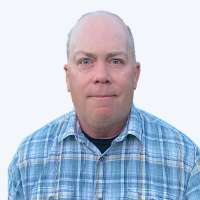

- Tyler Robinson challenges hearsay evidence in his preliminary hearing for murder charge.
- Prosecutors argue hearsay is standard; Robinson calls this oversimplification and misleading.
- Judge Graf to hear arguments on hearsay admissibility June 12.
PROVO — Tyler Robinson contends prosecutors are oversimplifying how preliminary hearings work.
On Wednesday, Robinson submitted another court filing explaining why he believes law enforcement should not be allowed to offer hearsay as part of their testimony during his preliminary hearing.
Robinson, 23, is accused of shooting and killing political activist Charlie Kirk on the campus of Utah Valley University on Sept. 10, 2025. He is charged with capital murder and faces a potential death sentence if convicted.
His next in-person court appearance is scheduled for June 12. During that hearing, 4th District Judge Tony Graf will hold a full evidentiary hearing to determine if the Utah County Attorney's Office should be held in contempt of court for talking to the media.
He will also hear arguments on whether hearsay from law enforcers who are expected to be called to the witness stand during Robinson's preliminary hearing, currently scheduled for July 6-10, will be allowed.
"Utah has allowed prosecutors to introduce reliable hearsay at preliminary hearings for more than 30 years. Federal prosecutors have introduced hearsay at preliminary hearings for over 50 years, and at grand jury proceedings since our nation's founding. Forty-four other states allow hearsay at preliminary hearings and grand jury proceedings. These well-established procedures are not unconstitutional," prosecutors said in their motion opposing Robinson's effort to preclude hearsay evidence.
On Wednesday, Robinson and his defense team replied to the state, saying prosecutors are "oversimplifying" what is actually happening in other states while adding that their reasons for wanting to allow hearsay amount to "fear-mongering."
"The state's assertion that all of the listed jurisdictions 'allow hearsay at the preliminary hearing' is incorrect and misleading," Robinson argued.
Hearsay evidence is any statement that an officer might collect from another person and present at the preliminary hearing. That might include, for example, detectives who talked to Robinson's roommate, Lance Twiggs, although Twiggs is not scheduled to be called to the witness stand himself, or officers who talked to witnesses at Utah Valley University on the day of Kirk's shooting, but those witnesses aren't being called themselves to testify.
Graf recently ruled that the preliminary hearing will remain open to the public. But Robinson has also filed a motion requesting that all legal proceedings in the case, including the preliminary hearing, be put on hold while they make an appeal to the Utah Supreme Court over Graf's earlier decision to allow cameras in the courtroom.
Robinson had filed a motion requesting that "television cameras and microphones, still photographers, radio microphones and other similar implements of the electronic or broadcast media" be kept out of the courtroom during his legal proceedings. A hearing was held on the issue on April 17. Graf denied the request on May 8.
Robinson is now hoping the state's high court will revisit the issue.