'%3e%3cpath%20d='M34.1406%205.85938C30.3906%202.10547%2025.3047%200%2020%200C14.6953%200%209.60938%202.10547%205.85938%205.85938C2.10938%209.61328%200%2014.6953%200%2020C0%2025.3047%202.10547%2030.3906%205.85938%2034.1406C9.61328%2037.8906%2014.6953%2040%2020%2040C25.3047%2040%2030.3906%2037.8945%2034.1406%2034.1406C37.8906%2030.3906%2040%2025.3047%2040%2020C40%2014.6953%2037.8945%209.60938%2034.1406%205.85938ZM37.0117%2023.543H31.1602V13.5391H27.6328V19.9414C28.1211%2020.6914%2028.3711%2021.582%2028.3711%2022.5625V22.625C28.3711%2023.668%2028.1172%2024.6055%2027.6328%2025.4297V26.6094H36.082C33.4883%2032.9375%2027.2891%2037.3789%2020.0039%2037.3789C10.3711%2037.3789%202.62109%2029.6289%202.62109%2020C2.62109%2010.3711%2010.3711%202.62109%2020%202.62109C29.6289%202.62109%2037.3789%2010.3711%2037.3789%2020C37.3789%2021.1484%2037.2617%2022.2656%2037.0508%2023.3477C37.0391%2023.4141%2037.0234%2023.4766%2037.0117%2023.543Z'%20fill='white'/%3e%3cpath%20d='M22.3086%2018.5352C20.4336%2018.125%2019.9531%2017.8398%2019.9766%2017.1836V17.1406C19.9766%2016.6992%2020.3477%2016.2148%2021.4023%2016.2148C22.582%2016.2148%2023.8867%2016.6797%2025.0781%2017.4766L26.8516%2015.0195C25.4453%2013.8906%2023.707%2013.3398%2021.5547%2013.3398C18.5195%2013.3398%2016.4375%2015%2016.4063%2017.4766V17.5352C16.3633%2020.2617%2018.5859%2020.9805%2021.293%2021.6016C23.0391%2021.9766%2023.5703%2022.3164%2023.5703%2022.9609L23.5469%2022.9766C23.5469%2023.3906%2023.2578%2023.7031%2022.7852%2023.8359C22.5742%2023.9062%2022.1289%2023.9727%2021.5156%2023.9727C20.7617%2023.9727%2019.7539%2023.8633%2018.6328%2023.4844C18.0898%2023.2891%2017.4727%2023.0039%2016.8047%2022.6133L20.1406%2026.625C20.2813%2026.6602%2021.0977%2026.8516%2021.7734%2026.8516C25.0039%2026.8516%2027.0859%2025.2461%2027.1094%2022.6328V22.5703C27.1602%2020.1133%2025.2148%2019.1719%2022.3086%2018.5352Z'%20fill='white'/%3e%3cpath%20d='M5.24219%2013.5664V26.6133H8.75391V23.7578L10.2969%2021.9531L14.2031%2026.6133H18.3867L12.3555%2019.5195L17.4023%2013.5664H13.4531L8.75391%2019.0586V13.5664H5.24219Z'%20fill='white'/%3e%3c/g%3e%3cdefs%3e%3cclipPath%20id='clip0_97_2430'%3e%3crect%20width='40'%20height='40'%20fill='white'/%3e%3c/clipPath%3e%3c/defs%3e%3c/svg%3e)


- The Supreme Court will decide if state courts can hold oil companies accountable.
- Boulder County sued Suncor Energy and Exxon Mobil for climate change costs.
- Oil companies argue federal law governs emissions; decision expected by June 2027.
SALT LAKE CITY — The Supreme Court will soon hear arguments on whether state courts can push the price of climate change onto energy companies — which will influence environmental lawsuits across the country.
In 2018, Boulder County, Colorado, sued Suncor Energy and Exxon Mobil. Suncor — one of the world's largest independent energy companies — has its U.S. headquarters in Denver. The county's website says Suncor supplies about 35% of Colorado's gasoline and diesel fuel demand.
The county blames the energy companies for the costs associated with climate change. But those defending the oil companies say blue states and municipalities are trying to push for policy change through the courts.
Municipalities want oil companies to pay for climate change
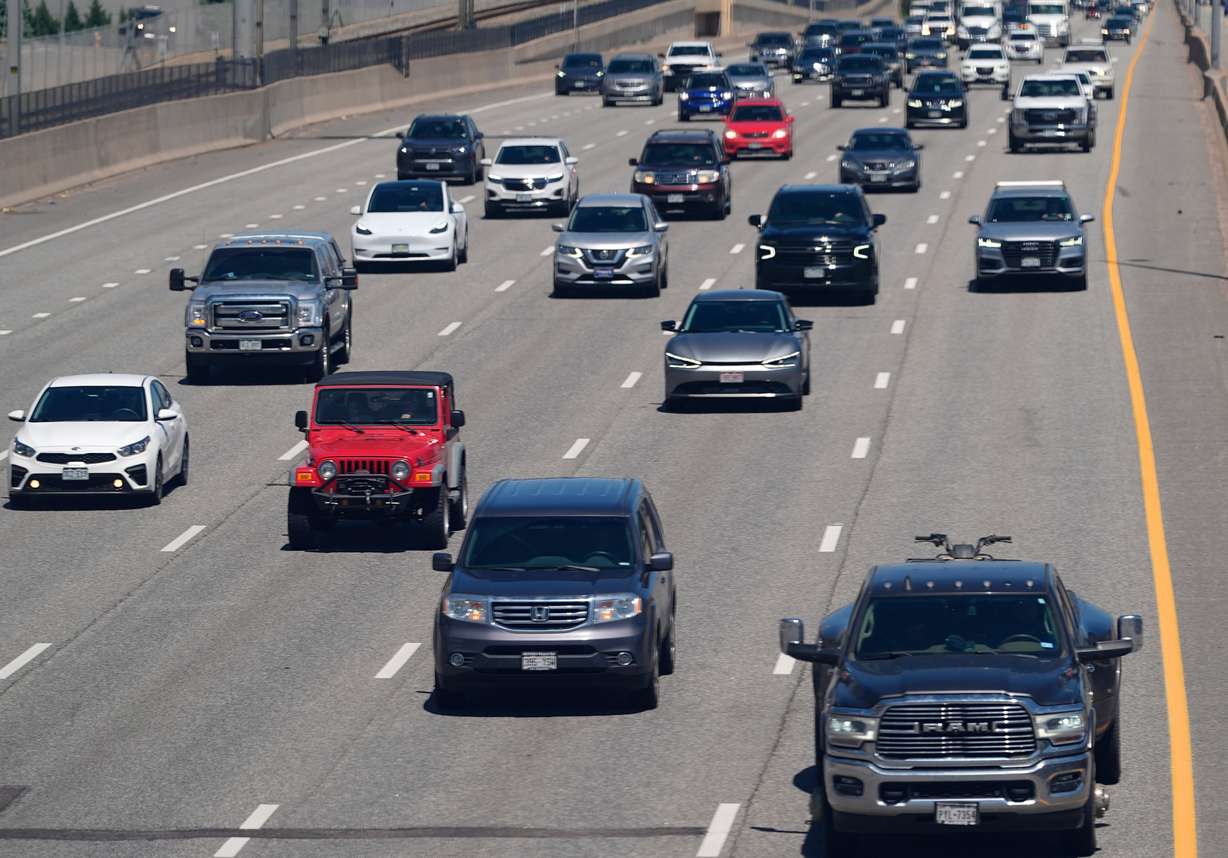
"For more than 50 years, these oil companies have known about the harm that their products would cause to communities, but have chosen to continue business as usual," the county said on its website.
A 2015 investigation from the Los Angeles Times found that oil companies — most notably Exxon Mobil — pursued a two-pronged strategy regarding climate change starting in the 1980s.
The Times report said Exxon Mobil promoted scientific uncertainty about environmental issues, though its internal research recognized the scientific consensus — the company even designed infrastructure that accounted for a 0.5-meter sea-level rise from global warming.
However, for almost a decade, Exxon Mobil's foundation provided more than $15 million to organizations questioning climate science, the article said.
"Suncor and Exxon chose to conceal this knowledge from the public, in order to continue promoting and selling fossil fuels," said Boulder County. "And worse, they both participated in efforts to spread doubt about climate change and discredit the scientific voices that they knew were telling the truth."
The county now claims local environmental issues are a direct result of actions by the two companies.
According to the United Nations, fossil fuel combustion accounted for nearly 80% of all greenhouse gas emissions between 1970 and 2010. Now, in Colorado, average temperatures have risen more than 2 degrees Fahrenheit in the past 40 years and are continuing to warm.
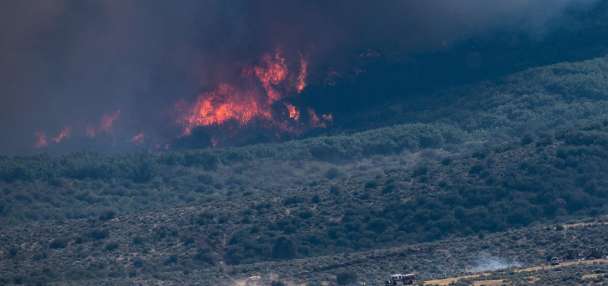
The county claims that more heat waves, more destructive wildfires, more severe droughts and changing precipitation threaten the community's safety and way of life.
Looking at the law
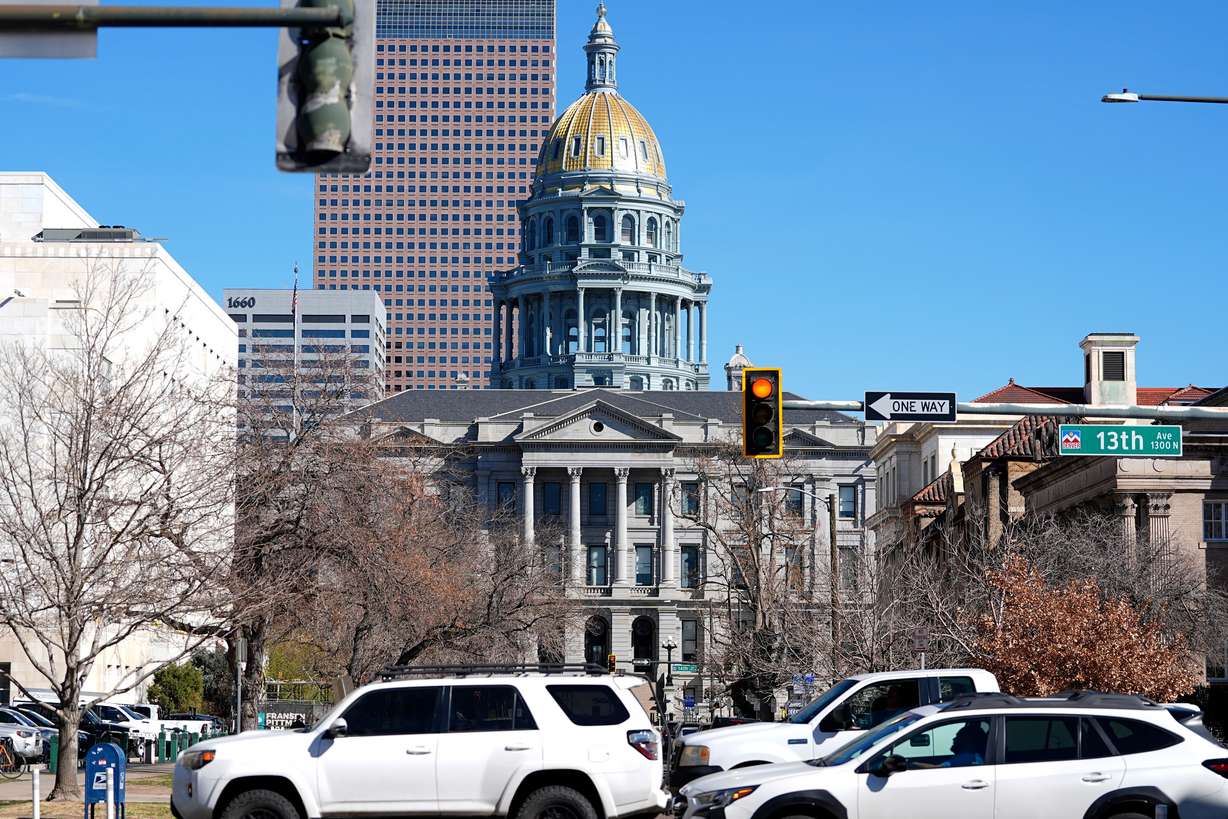
Exxon Mobil and Suncor, on the other hand, argue the Clean Air Act gives the federal government power to govern greenhouse gases, not states — or counties.
"It is a really important case because of the broader context ... you're seeing a greater and greater emphasis from blue jurisdictions to use courts to export outside of state boundaries their policy positions that have not passed in Congress," said Oramel Skinner, executive director of Alliance For Consumers.
"But for the left, climate change is everything, and everything is climate change," he added.
Because climate change involves transboundary emissions, Exxon Mobil and Suncor argue a regulatory solution should require a uniform federal process rather than a fragmented "patchwork" of state court rulings.
The defense also asserts that global emissions and climate policy touch directly on national energy security, foreign commerce and international treaties — meaning state governments have no jurisdiction to interfere.
Skinner said what makes the case important is the broader context of how the outcome will effectively change court rulings across the states: "It's a very deeply relevant case for people to think about."
The Supreme Court will hear arguments in the case on Monday, while a decision is expected sometime before the term ends in June or July 2027.