'%3e%3cpath%20d='M34.1406%205.85938C30.3906%202.10547%2025.3047%200%2020%200C14.6953%200%209.60938%202.10547%205.85938%205.85938C2.10938%209.61328%200%2014.6953%200%2020C0%2025.3047%202.10547%2030.3906%205.85938%2034.1406C9.61328%2037.8906%2014.6953%2040%2020%2040C25.3047%2040%2030.3906%2037.8945%2034.1406%2034.1406C37.8906%2030.3906%2040%2025.3047%2040%2020C40%2014.6953%2037.8945%209.60938%2034.1406%205.85938ZM37.0117%2023.543H31.1602V13.5391H27.6328V19.9414C28.1211%2020.6914%2028.3711%2021.582%2028.3711%2022.5625V22.625C28.3711%2023.668%2028.1172%2024.6055%2027.6328%2025.4297V26.6094H36.082C33.4883%2032.9375%2027.2891%2037.3789%2020.0039%2037.3789C10.3711%2037.3789%202.62109%2029.6289%202.62109%2020C2.62109%2010.3711%2010.3711%202.62109%2020%202.62109C29.6289%202.62109%2037.3789%2010.3711%2037.3789%2020C37.3789%2021.1484%2037.2617%2022.2656%2037.0508%2023.3477C37.0391%2023.4141%2037.0234%2023.4766%2037.0117%2023.543Z'%20fill='white'/%3e%3cpath%20d='M22.3086%2018.5352C20.4336%2018.125%2019.9531%2017.8398%2019.9766%2017.1836V17.1406C19.9766%2016.6992%2020.3477%2016.2148%2021.4023%2016.2148C22.582%2016.2148%2023.8867%2016.6797%2025.0781%2017.4766L26.8516%2015.0195C25.4453%2013.8906%2023.707%2013.3398%2021.5547%2013.3398C18.5195%2013.3398%2016.4375%2015%2016.4063%2017.4766V17.5352C16.3633%2020.2617%2018.5859%2020.9805%2021.293%2021.6016C23.0391%2021.9766%2023.5703%2022.3164%2023.5703%2022.9609L23.5469%2022.9766C23.5469%2023.3906%2023.2578%2023.7031%2022.7852%2023.8359C22.5742%2023.9062%2022.1289%2023.9727%2021.5156%2023.9727C20.7617%2023.9727%2019.7539%2023.8633%2018.6328%2023.4844C18.0898%2023.2891%2017.4727%2023.0039%2016.8047%2022.6133L20.1406%2026.625C20.2813%2026.6602%2021.0977%2026.8516%2021.7734%2026.8516C25.0039%2026.8516%2027.0859%2025.2461%2027.1094%2022.6328V22.5703C27.1602%2020.1133%2025.2148%2019.1719%2022.3086%2018.5352Z'%20fill='white'/%3e%3cpath%20d='M5.24219%2013.5664V26.6133H8.75391V23.7578L10.2969%2021.9531L14.2031%2026.6133H18.3867L12.3555%2019.5195L17.4023%2013.5664H13.4531L8.75391%2019.0586V13.5664H5.24219Z'%20fill='white'/%3e%3c/g%3e%3cdefs%3e%3cclipPath%20id='clip0_97_2430'%3e%3crect%20width='40'%20height='40'%20fill='white'/%3e%3c/clipPath%3e%3c/defs%3e%3c/svg%3e)


Estimated read time: 4-5 minutes
- Utah electricity rates may decrease due to coal and lower energy charges.
- Rocky Mountain Power proposed a $375 million decrease in variable energy charges.
- Rate relief is under review until Nov. 5 by the Division of Public Utilities.
SALT LAKE CITY — As the West grows more concerned about rising electricity rates and a strained power grid, Utah leaders hold an opposing, optimistic view.
"We're consistently in the top five most affordable rates in the country," Utah Office of Energy Development Director Emy Lesofski said in a Sept. 16 interim committee meeting.
At that meeting, representatives from the Utah Office of Energy Development and Rocky Mountain Power explained why Utahns — and parts of neighboring states — should actually see electricity rates decrease.
The company proposed a $375 million decrease in variable energy charges — and they claim coal is to thank — though the relief rate is under review until November.
The current energy mix — and how it's changed
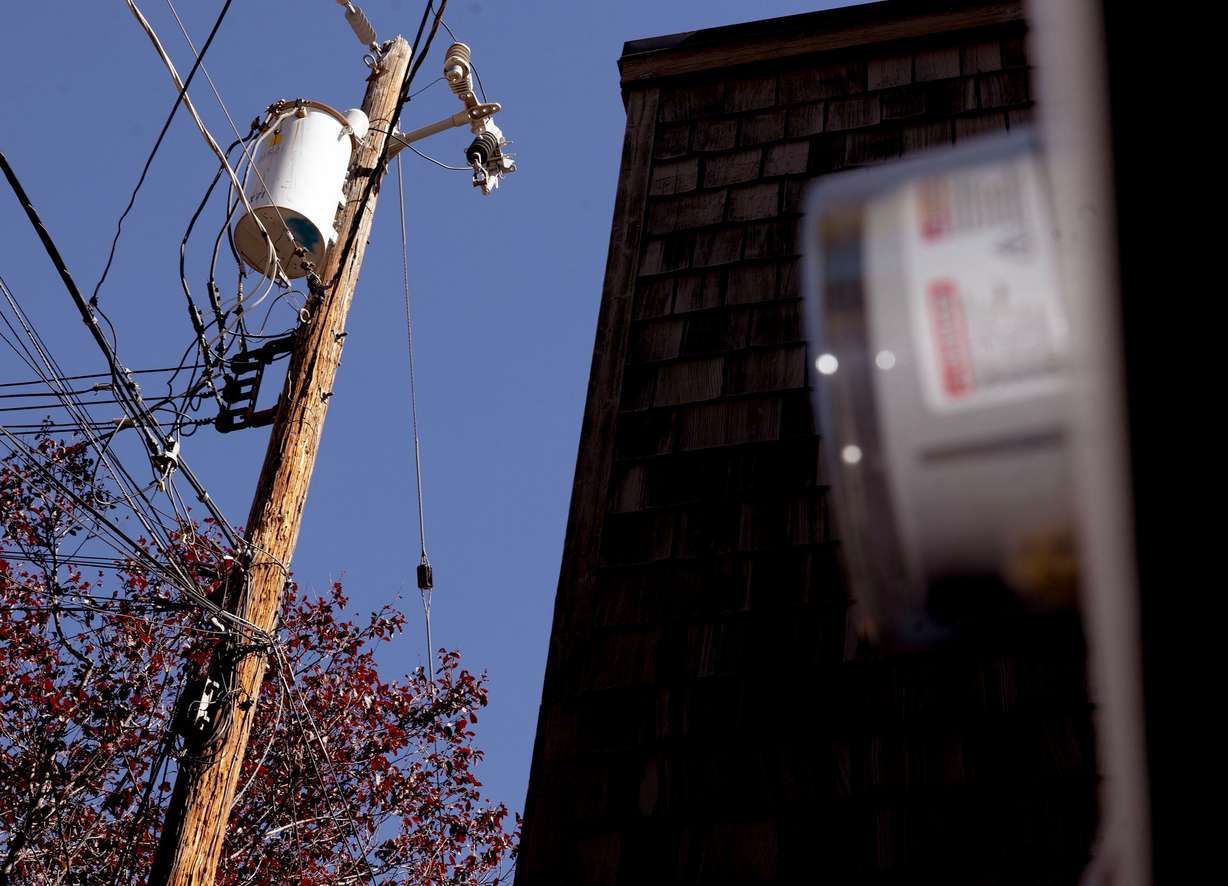
Utah leaders must weigh long-term reliability against short-term financial relief.
Data scientist and mechanical engineer Cindi Eckhardt summarized the past 25 years of Utah's total power generation in a single sentence: "There are ups and downs but it's kind of flat."
In 2000, the state's energy mix was made of 94% coal. As of last year, the mix consisted of 48% coal, 31% natural gas and 15% solar (among other sources) — and was able to generate roughly the same amount.
However, Eckhardt then noted the state's total consumption, which is steadily increasing.
When looking at Utah's sales of electricity, residential, commercial and industrial sectors, all have steadily increased since 2000. However, in 2020, there was a spike in commercial use — something Eckhardt believes is from data centers.
"But the thing that's very important to think about with electricity is this is a commodity that is consumed as quickly as it is generated," explained Lesofski. "It must be generated at the moment that you need it.
"So from a planning perspective, we cannot plan to averages," she added. "You have to deliver electricity to the peak demand that exists and that's what you have to plan for."
The proposed rate reduction
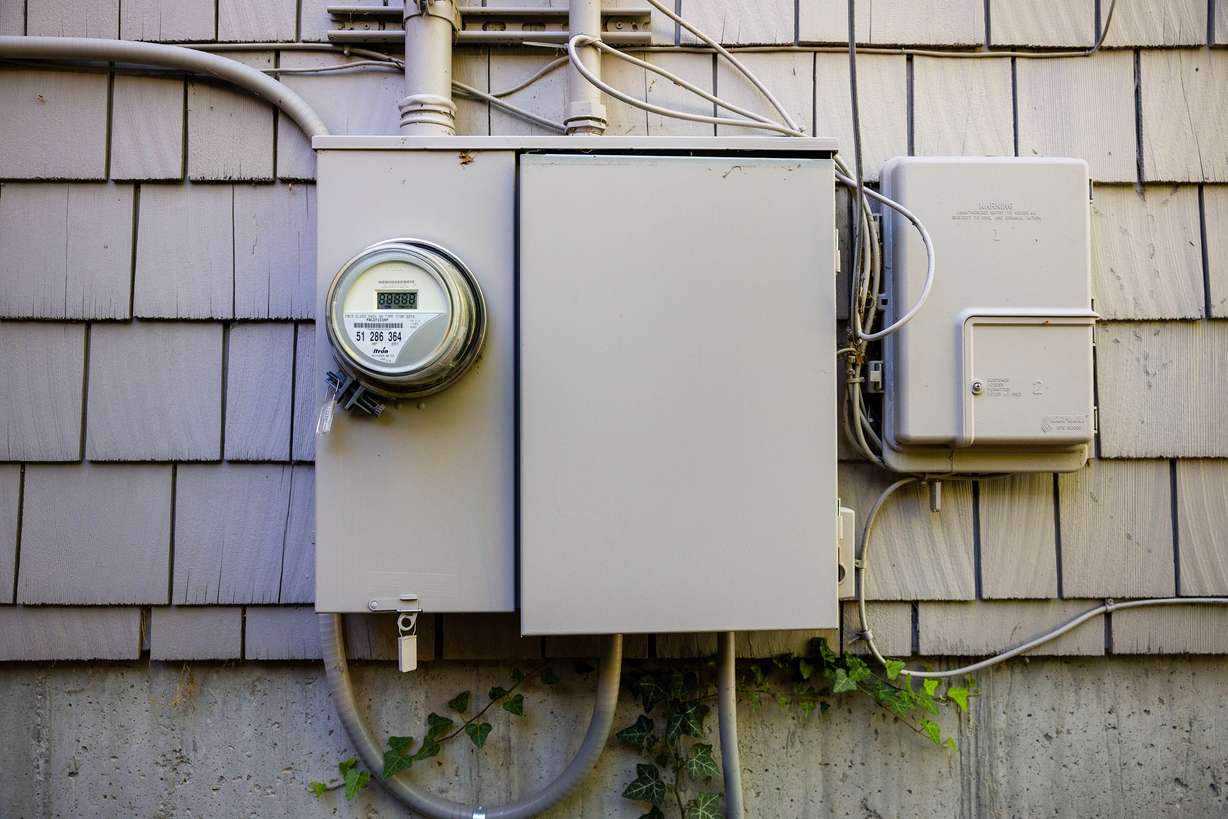
For that reason, Rocky Mountain Power relies on an annual Energy Balancing Account, or EBA, filing.
Aside from base rates — which cover fixed costs such as infrastructure, operations and maintenance — the EBA adjusts for certain changes in the actual cost of supplying electricity, which varies by year, season and even hour.
At the Sept. 16 meeting, Rocky Mountain Power detailed a pending EBA filing, which proposed about $191 million — a decrease of $375 million in variable energy prices when compared to the prior year.
However, that rate relief is not yet locked in. The filing remains in active review by the Division of Public Utilities, which will continue until Nov. 5.
But while this year's rates may fall, Eckhardt warned that longer-term policy choices could push them back up.
"As we think about all of the things that we need to do to prepare for the future," said Lesofski, "we need to make sure that we're making decisions that allow us to maintain that premier status of being really affordable while also incentivizing the economic development that increases the quality of life for the people of Utah."
Rocky Mountain Power representatives explained the rate decrease is driven by lower natural gas prices, cheaper wholesale market purchases and improved domestic coal supplies.
Though the use of coal has dramatically decreased in Utah since 2000, the state's coal production has actually increased since Biden-era coal regulations began to roll back. Production rose from about 7.4 million short tons in 2024 to about 8.5 million tons in 2025 — an increase of roughly 15% — according to a University of Utah study.
In 2021, Rocky Mountain Power only requested a $90.6 million EBA. Three years later, the company requested $472 million.
Eckhardt explained that a renewable portfolio standard is a main contributor to increasing electricity prices. "What that means is artificially changing your model from a least-cost optimization to optimize around a resource mix," she said. "When you do that, you can't have the cheapest electricity.
"That is not to say that least-cost plans don't include solar and wind, because they do," she quickly added.
With federal energy policy shifting between administrations, and electricity demand accelerating faster than new generation can be built, the long-term trajectory of Utah's electricity rates is anything but guaranteed.
"I wish very much that I had a crystal ball," said Eckhardt. "I wish very much that I could tell you exactly what's going to happen in the state of Utah. I don't."