'%3e%3cpath%20d='M34.1406%205.85938C30.3906%202.10547%2025.3047%200%2020%200C14.6953%200%209.60938%202.10547%205.85938%205.85938C2.10938%209.61328%200%2014.6953%200%2020C0%2025.3047%202.10547%2030.3906%205.85938%2034.1406C9.61328%2037.8906%2014.6953%2040%2020%2040C25.3047%2040%2030.3906%2037.8945%2034.1406%2034.1406C37.8906%2030.3906%2040%2025.3047%2040%2020C40%2014.6953%2037.8945%209.60938%2034.1406%205.85938ZM37.0117%2023.543H31.1602V13.5391H27.6328V19.9414C28.1211%2020.6914%2028.3711%2021.582%2028.3711%2022.5625V22.625C28.3711%2023.668%2028.1172%2024.6055%2027.6328%2025.4297V26.6094H36.082C33.4883%2032.9375%2027.2891%2037.3789%2020.0039%2037.3789C10.3711%2037.3789%202.62109%2029.6289%202.62109%2020C2.62109%2010.3711%2010.3711%202.62109%2020%202.62109C29.6289%202.62109%2037.3789%2010.3711%2037.3789%2020C37.3789%2021.1484%2037.2617%2022.2656%2037.0508%2023.3477C37.0391%2023.4141%2037.0234%2023.4766%2037.0117%2023.543Z'%20fill='white'/%3e%3cpath%20d='M22.3086%2018.5352C20.4336%2018.125%2019.9531%2017.8398%2019.9766%2017.1836V17.1406C19.9766%2016.6992%2020.3477%2016.2148%2021.4023%2016.2148C22.582%2016.2148%2023.8867%2016.6797%2025.0781%2017.4766L26.8516%2015.0195C25.4453%2013.8906%2023.707%2013.3398%2021.5547%2013.3398C18.5195%2013.3398%2016.4375%2015%2016.4063%2017.4766V17.5352C16.3633%2020.2617%2018.5859%2020.9805%2021.293%2021.6016C23.0391%2021.9766%2023.5703%2022.3164%2023.5703%2022.9609L23.5469%2022.9766C23.5469%2023.3906%2023.2578%2023.7031%2022.7852%2023.8359C22.5742%2023.9062%2022.1289%2023.9727%2021.5156%2023.9727C20.7617%2023.9727%2019.7539%2023.8633%2018.6328%2023.4844C18.0898%2023.2891%2017.4727%2023.0039%2016.8047%2022.6133L20.1406%2026.625C20.2813%2026.6602%2021.0977%2026.8516%2021.7734%2026.8516C25.0039%2026.8516%2027.0859%2025.2461%2027.1094%2022.6328V22.5703C27.1602%2020.1133%2025.2148%2019.1719%2022.3086%2018.5352Z'%20fill='white'/%3e%3cpath%20d='M5.24219%2013.5664V26.6133H8.75391V23.7578L10.2969%2021.9531L14.2031%2026.6133H18.3867L12.3555%2019.5195L17.4023%2013.5664H13.4531L8.75391%2019.0586V13.5664H5.24219Z'%20fill='white'/%3e%3c/g%3e%3cdefs%3e%3cclipPath%20id='clip0_97_2430'%3e%3crect%20width='40'%20height='40'%20fill='white'/%3e%3c/clipPath%3e%3c/defs%3e%3c/svg%3e)



Estimated read time: 6-7 minutes
- Enoch residents plan a healing garden to honor seven family members murdered Jan. 4, 2023.
- Community Trauma Recovery nonprofit aims to raise $100,000 for the memorial project.
- Other initiatives include mental health support for first responders and a cold plunge event.
ENOCH, Iron County — For the past three and a half years, residents of Enoch have been healing from a tragedy that took a mother, grandmother and five children from this Earth. Now, several Enoch residents are working hard to create a dedicated space for the community to find peace.
"Children questioned, 'Can my parent do that?' Suddenly they weren't comfortable in what should be the most comfortable and stable environment they should ever have in their life," said Enoch resident and mental health counselor Amy Neilson.
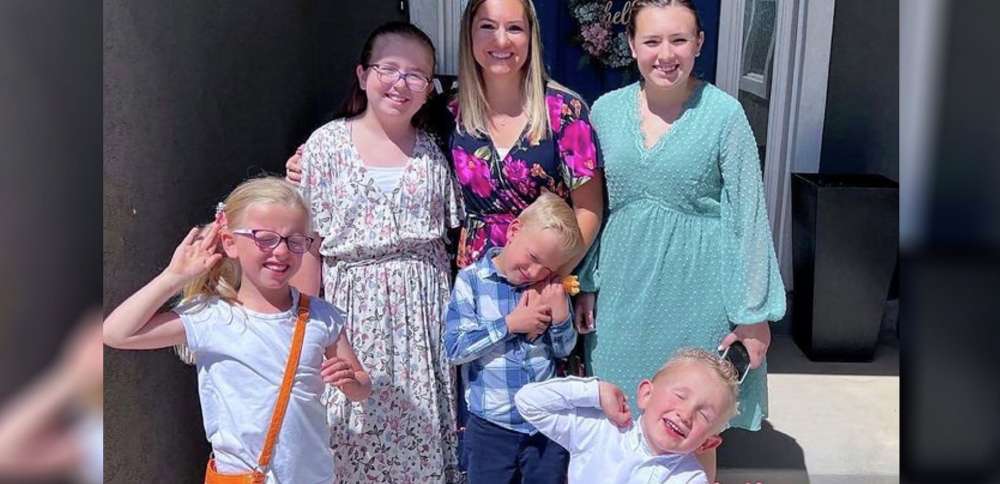
On Jan. 4, 2023, Tausha Haight, 40; Tausha Haight's mother, Gail Earl, 78; Haight's three daughters, Macie, 17; Briley, 12; and Sienna, 7; and two sons, Ammon, 7; and Gavin, 4, were killed by Michael Haight, who was married to Tausha and fathered the children. He then took his own life in a murder-suicide that received worldwide attention.
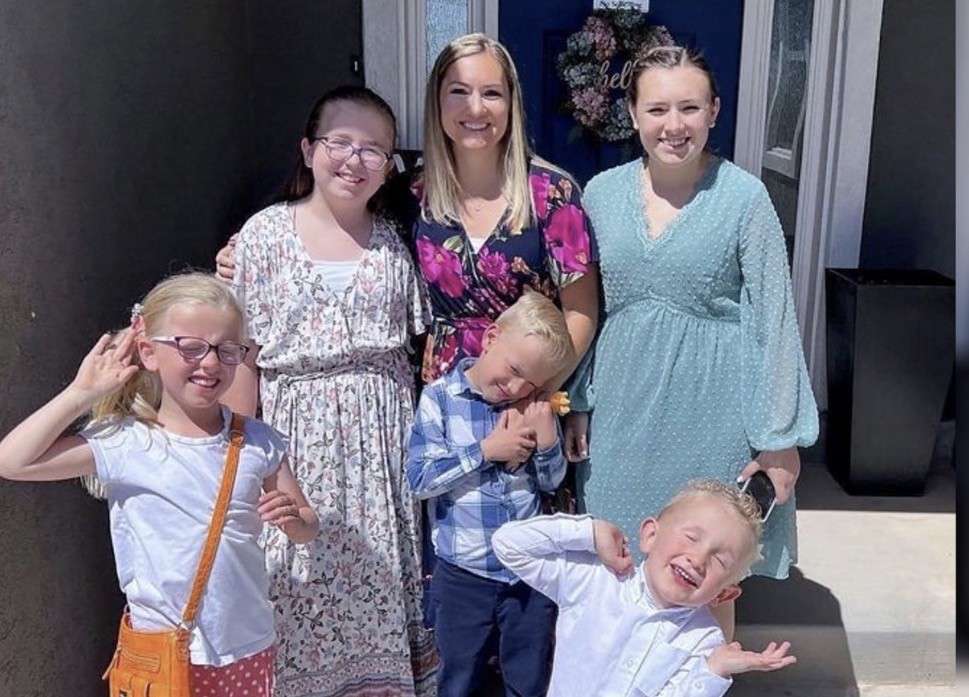
Cindy Baldwin was a longtime close friend and neighbor of Tausha's, who expressed the grief that she, her family and the entire community has experienced over the past several years.
"We lived just two doors down on the same street," Baldwin said. "When the murders happened, it affected myself, my family and my community on a really deep level.
"We shared a backyard at one point, and we decided to build a fence around all three backyards and our kids ran around," she continued. "(Tausha's) kids were always in my backyard playing in the sandbox and painting on my stucco. I still have paint on the stucco from the twins."

Baldwin also mentioned a slide that the Haight family had off their deck that her kids loved to go down, adding that when the tragedy happened, all the playing stopped.
"(After they died), my kids could still see the twirly side off the back deck," she said. "Part of their healing process has been making friends with the family that moved in. My kids went down the twirly slide. That was healing for my kids to be able to remember and move on. It was part of their healing process."
Seeing her own kids find a way to heal by connecting with others in a place that also holds so much pain has been a catalyst for Baldwin to want to create a safe place for healing for the residents of Enoch.
"I decided to get actively involved in helping the community heal, she said. "That was part of my healing process."
Healing a community
Baldwin explained that she initially had the idea of creating a healing garden for residents years ago, but funding ran out.
"What happened was that there were these amazing foundations in Utah who got together and said, 'We want to help the community of Enoch,'" Baldwin said.
Many of those donations were made to the city of Enoch, and were then moved to a nonprofit organization to manage those funds.
"Most of that money went to therapy for families in this community," Baldwin said. "So many people were affected and needed a place to heal. ... What happened is people went to therapy as long as they needed and the funds were spent out, which was so great."
Neilson was one of many mental health professionals in the community who saw a community that was not only grieving the loss of some of its members, but asking some really hard and important questions.
"We had mothers questioning, 'Do I make the best decisions for my kids? What would I do in that situation?'" Neilson recalled. "What really touched my heart deeply was a lot of men coming in — a lot of dads (were) coming and asking themselves, 'Could that ever be me? I don't want that to ever be me. Help me not ever let that be me.' Everybody felt destabilized by that."
Creating a healing space for all
Recently, Baldwin, along wth a handful of close friends of Tausha, have created a nonprofit organization called Community Trauma Recovery, which will raise funds for a memorial healing garden that will be located in city-approved space in-kind next to the Enoch cemetery
"We'll have remembrances of them sprinkled throughout this space," Baldwin said. "We are going to be raising funds, and our goal is $100,000. That will include a hand-crafted sculpture by a local artist and a gazebo where we will have a bench representing each member of the family."
Baldwin added that while there will not be a bench for Tausha's mother, Gail Earl, due to a memorial already being present in her hometown of LaVerkin, that they will have a sculpture "symbolically acknowledging and memorializing" her.
Baldwin said they chose the cemetery largely in part because the family is not buried there, adding that the community has asked for a memorial.
"They lived here for 20-plus years and were so well-known," Baldwin said. "This is a memorial space for them here that will honor and remember them."
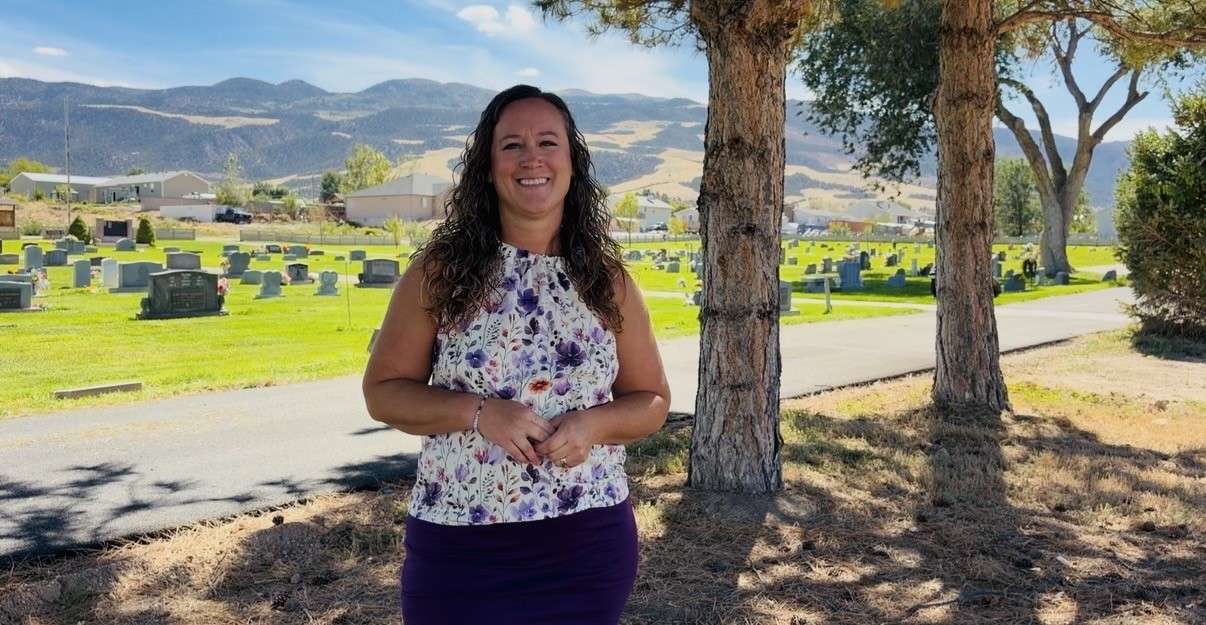
Baldwin said that the space is also intended to help all who are grieving the loss of a loved one, and she hopes that this is a first step in many community healing spaces.
"The big vision is to create a blueprint for helping communities heal in the aftermath of traumatic events," she said. "Longer-term healing is just as important as immediate after-response to traumatic events. Science tells us that rituals and meaningful spaces are important in helping people grieve and process."
Neilson said that she also hopes that it will be a place for people to "recreate safety in their individual lives and their family lives."
"It's a great representation of how people can continue that process so we can promote that safety in family again," she said.
In addition to raising funds for a garden, Baldwin and Neilson are working together to provide mental health support for first responders. The coalition is under Community Trauma Recovery, and it's called the Southern Utah S.T.I.G.M.A Coalition.
On Oct. 3., the coalition is holding a cold plunge at Main Street Park in Cedar City, where first responders go head-to-head in a cold plunge challenge.
"We want to make it safe to talk about mental health in first responding," Neilson said. "We're trying to create a bridge to bring people to that bridge, and I'm training mental health providers to privately treat first responders."
With both fundraising initiatives, Baldwin said that the goal is to find a way to heal the community she loves so much.
"We cannot control what happened, but we can choose how we respond to it," she said. "We can choose to heal (and) we can choose to come together as a community. So, that's what we're doing."