'%3e%3cpath%20d='M34.1406%205.85938C30.3906%202.10547%2025.3047%200%2020%200C14.6953%200%209.60938%202.10547%205.85938%205.85938C2.10938%209.61328%200%2014.6953%200%2020C0%2025.3047%202.10547%2030.3906%205.85938%2034.1406C9.61328%2037.8906%2014.6953%2040%2020%2040C25.3047%2040%2030.3906%2037.8945%2034.1406%2034.1406C37.8906%2030.3906%2040%2025.3047%2040%2020C40%2014.6953%2037.8945%209.60938%2034.1406%205.85938ZM37.0117%2023.543H31.1602V13.5391H27.6328V19.9414C28.1211%2020.6914%2028.3711%2021.582%2028.3711%2022.5625V22.625C28.3711%2023.668%2028.1172%2024.6055%2027.6328%2025.4297V26.6094H36.082C33.4883%2032.9375%2027.2891%2037.3789%2020.0039%2037.3789C10.3711%2037.3789%202.62109%2029.6289%202.62109%2020C2.62109%2010.3711%2010.3711%202.62109%2020%202.62109C29.6289%202.62109%2037.3789%2010.3711%2037.3789%2020C37.3789%2021.1484%2037.2617%2022.2656%2037.0508%2023.3477C37.0391%2023.4141%2037.0234%2023.4766%2037.0117%2023.543Z'%20fill='white'/%3e%3cpath%20d='M22.3086%2018.5352C20.4336%2018.125%2019.9531%2017.8398%2019.9766%2017.1836V17.1406C19.9766%2016.6992%2020.3477%2016.2148%2021.4023%2016.2148C22.582%2016.2148%2023.8867%2016.6797%2025.0781%2017.4766L26.8516%2015.0195C25.4453%2013.8906%2023.707%2013.3398%2021.5547%2013.3398C18.5195%2013.3398%2016.4375%2015%2016.4063%2017.4766V17.5352C16.3633%2020.2617%2018.5859%2020.9805%2021.293%2021.6016C23.0391%2021.9766%2023.5703%2022.3164%2023.5703%2022.9609L23.5469%2022.9766C23.5469%2023.3906%2023.2578%2023.7031%2022.7852%2023.8359C22.5742%2023.9062%2022.1289%2023.9727%2021.5156%2023.9727C20.7617%2023.9727%2019.7539%2023.8633%2018.6328%2023.4844C18.0898%2023.2891%2017.4727%2023.0039%2016.8047%2022.6133L20.1406%2026.625C20.2813%2026.6602%2021.0977%2026.8516%2021.7734%2026.8516C25.0039%2026.8516%2027.0859%2025.2461%2027.1094%2022.6328V22.5703C27.1602%2020.1133%2025.2148%2019.1719%2022.3086%2018.5352Z'%20fill='white'/%3e%3cpath%20d='M5.24219%2013.5664V26.6133H8.75391V23.7578L10.2969%2021.9531L14.2031%2026.6133H18.3867L12.3555%2019.5195L17.4023%2013.5664H13.4531L8.75391%2019.0586V13.5664H5.24219Z'%20fill='white'/%3e%3c/g%3e%3cdefs%3e%3cclipPath%20id='clip0_97_2430'%3e%3crect%20width='40'%20height='40'%20fill='white'/%3e%3c/clipPath%3e%3c/defs%3e%3c/svg%3e)


Estimated read time: 2-3 minutes
- Nearly a year after the shooting of Charlie Kirk, many seek mental health support.
- About 500 people were eligible for assistance; 173 applied for benefits.
- Officials urge those affected to explore victim compensation resources for support.
OREM — Nearly a year after the deadly shooting of Charlie Kirk at Utah Valley University, state officials said dozens of people impacted by the tragedy are continuing to seek mental health support through Utah's victim compensation program.
The Utah Office for Victims of Crime, working in coordination with the FBI and the Utah Department of Public Safety, identified about 500 people as eligible for assistance following the Sept. 10, 2025, shooting of Charlie Kirk at UVU. Mostly based on their location of the incident.
According to the Office for Victims of Crime Director Chyleen Richey, 173 people have applied for victim compensation benefits for mental health therapy.
Officials said eligibility was not limited to individuals who directly witnessed the shooting. Instead, those determined to have been in a "zone of danger" during the incident were also considered primary victims.
"It's not necessarily just that you're a witness," Richey said. "It's that you're in the zone of danger. You could have been harmed yourself."
The Utah Office for Victims of Crime said those classified as primary victims qualify for the mental health benefit because they were directly exposed to the threat posed by the shooting.
"We considered these people primary victims, and so they qualify for 25 mental health therapy sessions," Richey said.
Mental health professionals said trauma reactions can persist long after a traumatic event and may emerge months later.
Related:

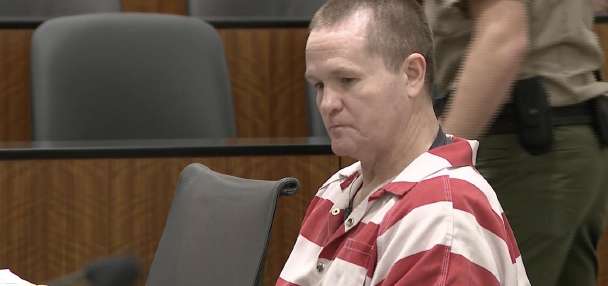
Tyler Robinson to stand trial on all counts
Fourth District Judge Tony Graf bound Tyler Robinson over for trial on Tuesday on all counts against him, saying the state has provided enough evidence."Anybody who's still feeling impacted or struggling or having a difficult time, whether it's memories, nightmares, difficulty sleeping, these are all things that are signs that maybe people should still be looking for help," said Brady Clegg, CEO of Tangible Therapy a mental health expert involved in outreach efforts.
Clegg said some people may initially feel they have processed a traumatic event, only to experience symptoms later.
"Suddenly, things shift or change, and these symptoms start to show their head and really start to impact their lives in ways that are really disruptive," Clegg said.
UVU President Dr. Jon Anderson said the university continues to provide mental health resources for students affected by the shooting and for those facing other challenges.
"Students are dealing with things all the time, whether it's related to the Charlie Kirk incident or if it's related to their own mental health," Anderson said. "We have those resources for them any time they need them."
State officials encourage anyone still experiencing emotional or psychological effects from the shooting to seek assistance and explore available victim compensation resources. Click here to see if you are eligible for the victim compensation program.

Most recent Utah stories
Related topics
 Annette Campbell