Estimated read time: 5-6 minutes
Utah's five national parks are often grouped together, but each one offers a different kind of experience. From narrow canyon trails to wide-open desert views, the landscapes vary more than many first-time visitors expect.
For some, the draw is the scale of the scenery. For others, it is the chance to explore places that feel distinct from one another within a single state.
Known collectively as the "Mighty 5," these parks highlight the range of terrain found across Utah, from high desert plateaus to deeply carved canyons. According to the National Park Service, they continue to draw millions of visitors each year, with many people choosing to explore more than one during the same trip.
Arches National Park stands out for its natural formations
Arches National Park is best known for its concentration of natural stone arches, with more than 2,000 documented formations across the landscape. The setting feels open and spread out, with red rock features visible in nearly every direction.
Some defining characteristics include:
- Delicate Arch: Widely recognized and often associated with Utah as a whole.
- Balanced Rock: A large formation that appears to rest unevenly on a narrow base.
- Windows Section: A cluster of arches that can be reached with relatively short walks.
The layout makes it easier to see several major landmarks in a single visit, which contributes to its popularity.
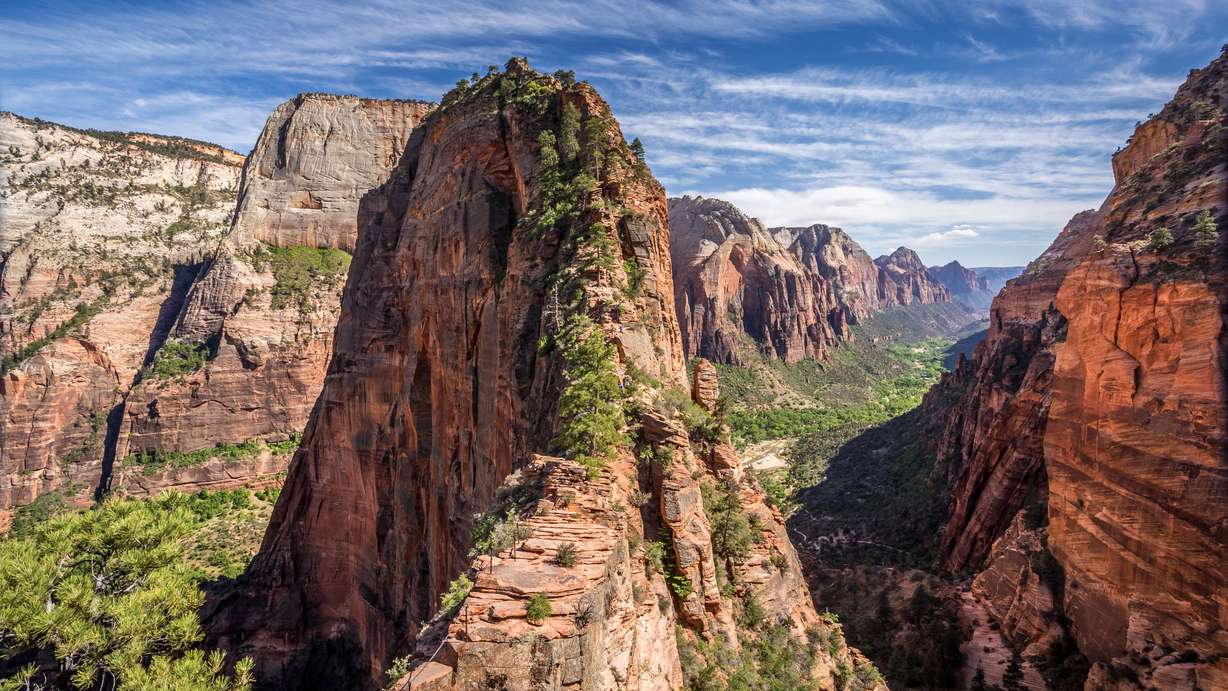
Zion National Park is known for its dramatic scale
Unlike the openness of Arches, Zion National Park feels enclosed by towering canyon walls. The height and steepness of the cliffs create a sense of scale that stands out immediately.
Notable features include:
- Angels Landing: A narrow trail with steep drop-offs and elevated views.
- The Narrows: A route that follows the Virgin River through a canyon.
- Zion Canyon Scenic Drive: A main access point to several of the park's most visited areas.
Visitors often experience Zion from within the landscape rather than looking out over it, which sets it apart from other parks.
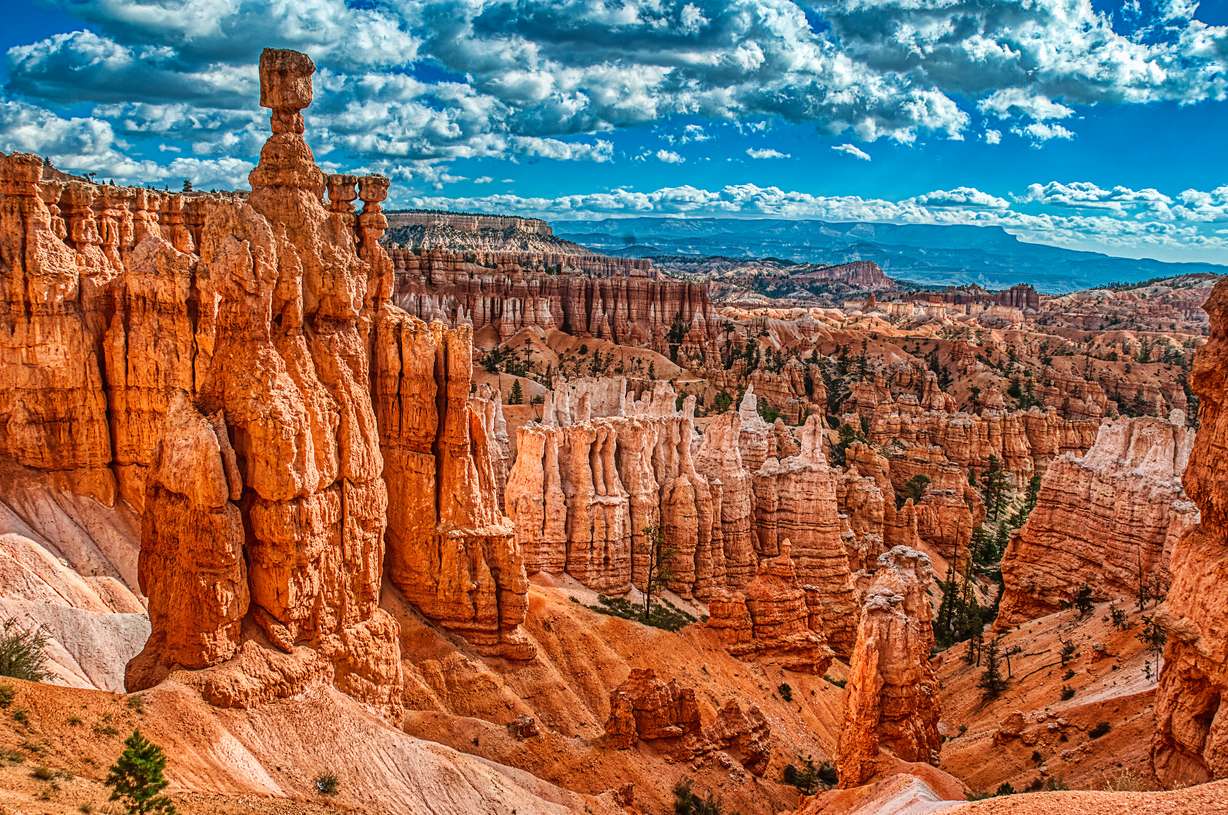
Bryce Canyon National Park offers unique rock formations
Bryce Canyon National Park is known for its hoodoos, tall rock spires that form in dense groupings. These formations give the park a layered appearance that changes depending on the light.
Key highlights include:
- Bryce Amphitheater: A large basin filled with hoodoos that shift in color throughout the day.
- Sunrise and Sunset Points: Viewing areas that emphasize changing light and shadow.
- Navajo Loop Trail: A path that takes visitors down among the formations.
The variation in color and texture is one of the main reasons the park is frequently photographed.
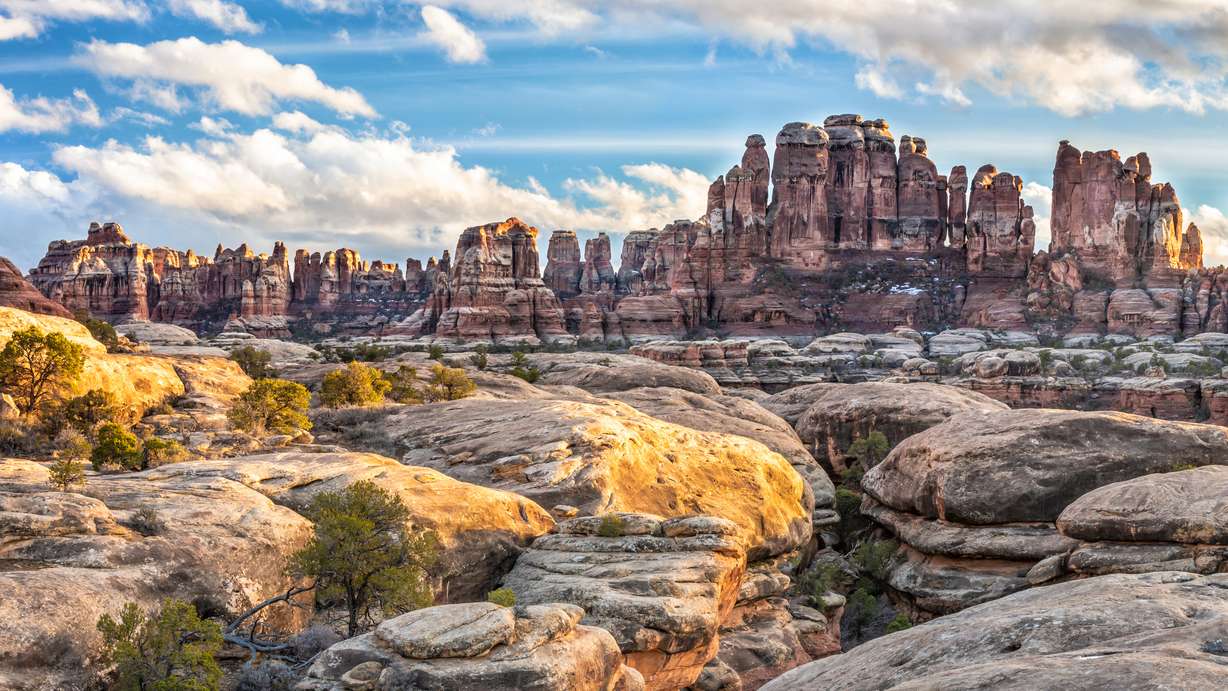
Canyonlands National Park emphasizes cast, open landscapes
Canyonlands National Park offers wide, uninterrupted views shaped by the Colorado and Green rivers. The park is divided into separate districts, each with its own terrain and access points.
Commonly visited areas include:
- Island in the Sky: Offers sweeping viewpoints where the canyon seems to stretch endlessly in every direction.
- The Needles: Feels more remote, with colorful rock formations and trails that take longer to explore.
- Mesa Arch: A smaller formation that frames the canyon beyond it, especially striking in the early morning light.
Compared to other parks, Canyonlands tends to feel more spread out and less crowded, with longer distances between viewpoints and a quieter overall atmosphere.
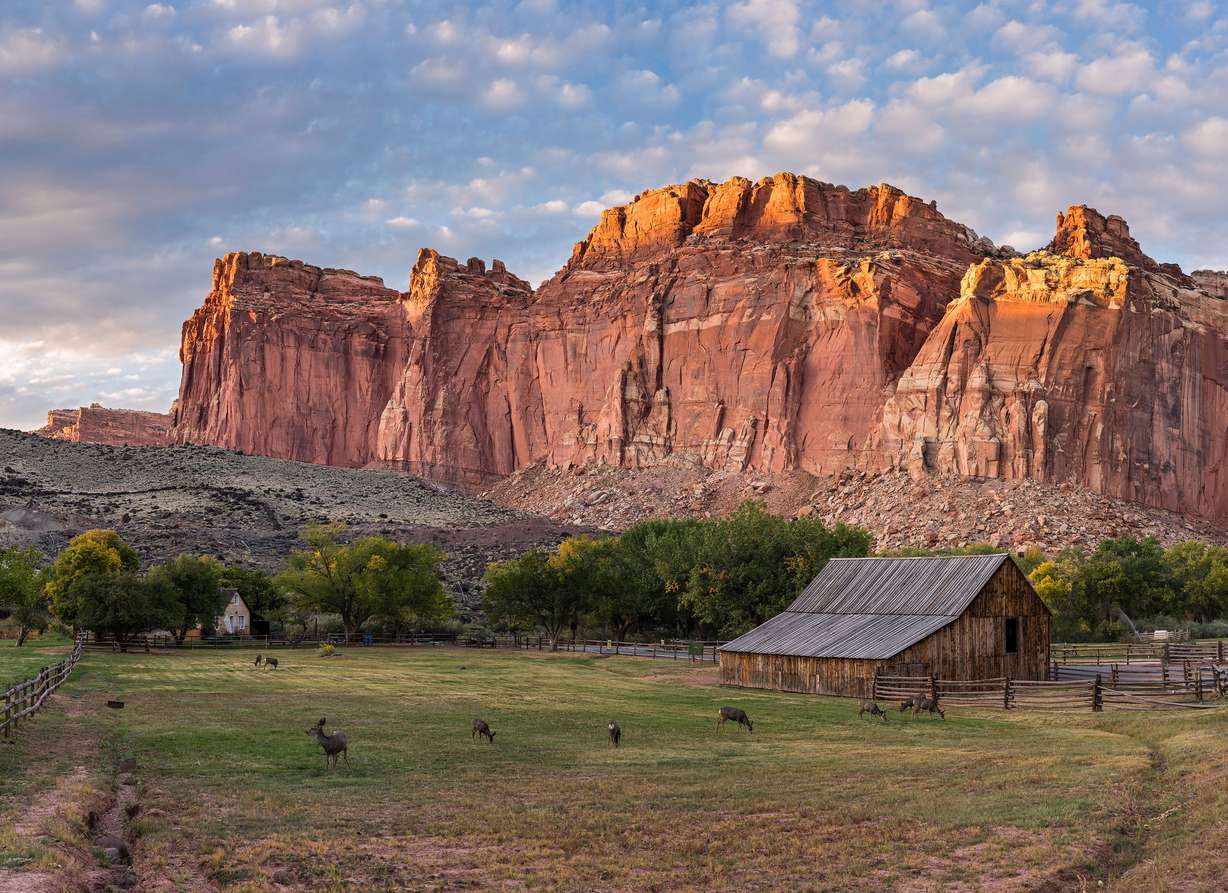
Capitol Reef National Park blends scenery and history
Capitol Reef National Park is often quieter than the other parks, but it offers a mix of natural features and historical elements that give it a different feel.
Some defining aspects include:
- Waterpocket Fold: A long geological formation that runs through the park.
- Fruita Historic District: An area with orchards and preserved structures from early settlement.
- Scenic drives and trails: Routes that pass through cliffs, domes and layered rock.
This combination of landscape and history gives visitors a broader sense of the area beyond its visual features.
Choosing which parks to visit
Each of Utah's national parks offers a different kind of experience, so where people choose to go often depends on what they want out of their trip. Some visitors are looking for quick stops with easy access to scenic viewpoints, while others plan for longer stays that include hiking and time in more remote areas.
A few things tend to shape those decisions:
- Travel time: Some parks are several hours apart, which can affect how much can be seen in one trip.
- Season: Weather and road conditions can change what areas are accessible and how comfortable the visit is.
- Activity level: Certain parks are easier to explore casually, while others require more time and physical effort.
Taking these differences into account can make it easier to plan a trip that feels manageable and fits what someone is hoping to experience.

How Utahns swear without using profanity
Well, gosh darn it all. This may shock you, but Utahns do not have the cleanest mouths in the nation. Utahns cleverly swap out traditional swear words in favor of softer variants that won't get them in trouble with their elders. If you've run into many frustrated Utahns, you've likely overheard a few, if not all, of these.Understanding next steps after an injury
Even in well-traveled areas, accidents can happen. Uneven terrain, long hikes and changing conditions can all contribute to situations where someone is injured. In some cases, the effects are immediate, while in others, symptoms may take time to fully appear.
In the aftermath, people are often left managing medical care, time away from work and uncertainty about what comes next. Questions about recovery, costs and next steps can quickly become overwhelming without clear guidance.
Siegfried & Jensen works with individuals throughout Utah who have been injured, helping them better understand their options and what steps may follow.