Estimated read time: 2-3 minutes
- USU Extension releases a fact sheet to help adults recognize youth trauma.
- Cara Murray emphasizes the importance of understanding adverse childhood experiences.
- Adults should create safe environments and listen to support affected youth.
LOGAN — Stress and trauma can affect young people in different ways, and sometimes the signs aren't easy to recognize. Utah State University Extension has compiled years of research into a fact sheet to help adults understand what to look for and how to respond.
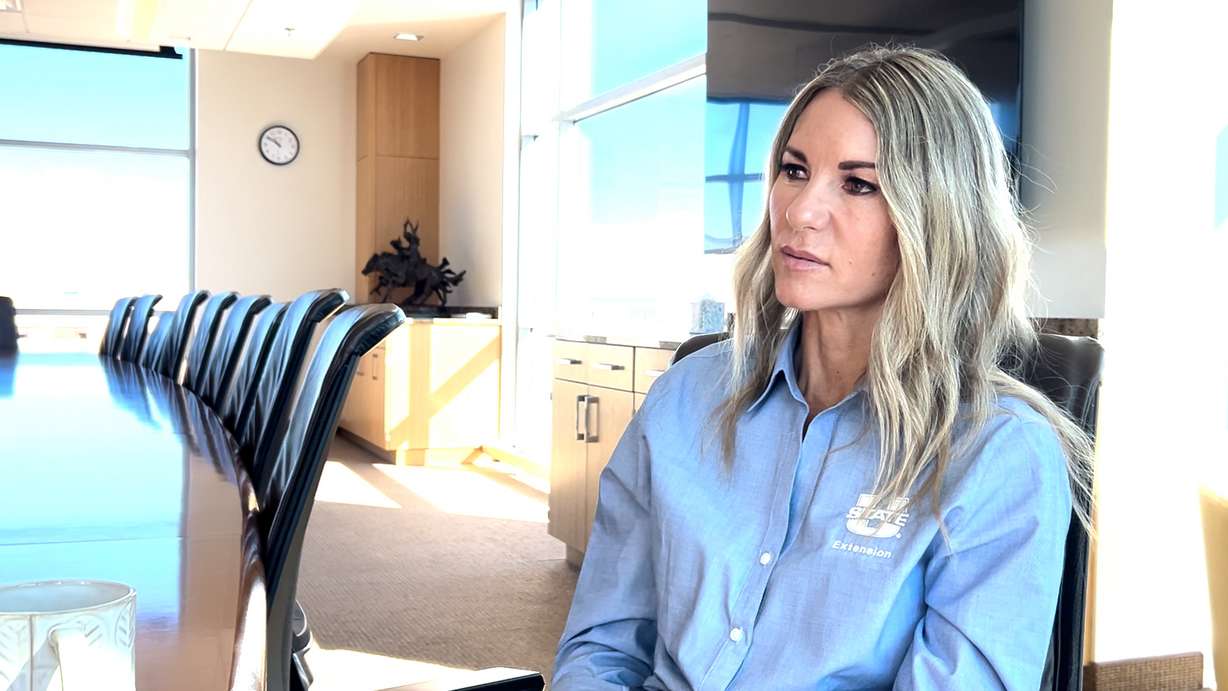
Cara Murray, a professional practice assistant professor with USU Extension, is one of four authors of the fact sheet, which addresses how adults can support young people who have experienced stress, adversity or trauma.
"Your bad day is your worst bad day. Compared to somebody else's, it might be nothing, or it might be extremely horrific for you," said Murray.
She added that young people today are experiencing more adverse childhood experiences in her field of work.
Those experiences can include family instability, loss, bullying or exposure to violence. Murray said even the same experience can affect young people differently.
"Every youth is different, of course. One youth that is experiencing bullying might laugh it off. Another one, it might really set them back," she said.
Recognizing signs of stress and trauma
Changes in behavior can be signs that a young person is struggling, Murray said. Adults who work with youth, including teachers and coaches, may notice a young person withdrawing from others, becoming less social, missing activities or having emotional outbursts.
"As a teacher or a coach, you might notice your athlete is always in a great mood and friendly and helping their teammates. And then they might withdraw. They might not be as social. They might start looking down. They might not show up to practice. Small signs like that. It could be outbursts, emotional outbursts," said Murray.
Those changes can sometimes be mistaken for intentional misbehavior. Murray said there are some ways adults can help, but most importantly, listen and don't overreact.
"Consistent environment. Clear expectations. You can listen before reacting. Everybody wants to be seen and heard and I feel like that's the same with our youth," said Murray.
Creating safe, supportive environments
Adults don't need to be mental health professionals to make a difference, Murray said. Creating a safe and stable environment can help build trust with young people and help them feel comfortable opening up.
"Yeah, I think once we've created safe and stable environments, youth are more trusting, and they want to open up. And I do think it's important to note that adult volunteers and leaders are not mental health professionals. We are not there to diagnose. We are there to listen," said Murray.
The fact sheet, "Understanding and Supporting Youth Affected by Trauma and Stress," is available through USU Extension here.