'%3e%3cpath%20d='M34.1406%205.85938C30.3906%202.10547%2025.3047%200%2020%200C14.6953%200%209.60938%202.10547%205.85938%205.85938C2.10938%209.61328%200%2014.6953%200%2020C0%2025.3047%202.10547%2030.3906%205.85938%2034.1406C9.61328%2037.8906%2014.6953%2040%2020%2040C25.3047%2040%2030.3906%2037.8945%2034.1406%2034.1406C37.8906%2030.3906%2040%2025.3047%2040%2020C40%2014.6953%2037.8945%209.60938%2034.1406%205.85938ZM37.0117%2023.543H31.1602V13.5391H27.6328V19.9414C28.1211%2020.6914%2028.3711%2021.582%2028.3711%2022.5625V22.625C28.3711%2023.668%2028.1172%2024.6055%2027.6328%2025.4297V26.6094H36.082C33.4883%2032.9375%2027.2891%2037.3789%2020.0039%2037.3789C10.3711%2037.3789%202.62109%2029.6289%202.62109%2020C2.62109%2010.3711%2010.3711%202.62109%2020%202.62109C29.6289%202.62109%2037.3789%2010.3711%2037.3789%2020C37.3789%2021.1484%2037.2617%2022.2656%2037.0508%2023.3477C37.0391%2023.4141%2037.0234%2023.4766%2037.0117%2023.543Z'%20fill='white'/%3e%3cpath%20d='M22.3086%2018.5352C20.4336%2018.125%2019.9531%2017.8398%2019.9766%2017.1836V17.1406C19.9766%2016.6992%2020.3477%2016.2148%2021.4023%2016.2148C22.582%2016.2148%2023.8867%2016.6797%2025.0781%2017.4766L26.8516%2015.0195C25.4453%2013.8906%2023.707%2013.3398%2021.5547%2013.3398C18.5195%2013.3398%2016.4375%2015%2016.4063%2017.4766V17.5352C16.3633%2020.2617%2018.5859%2020.9805%2021.293%2021.6016C23.0391%2021.9766%2023.5703%2022.3164%2023.5703%2022.9609L23.5469%2022.9766C23.5469%2023.3906%2023.2578%2023.7031%2022.7852%2023.8359C22.5742%2023.9062%2022.1289%2023.9727%2021.5156%2023.9727C20.7617%2023.9727%2019.7539%2023.8633%2018.6328%2023.4844C18.0898%2023.2891%2017.4727%2023.0039%2016.8047%2022.6133L20.1406%2026.625C20.2813%2026.6602%2021.0977%2026.8516%2021.7734%2026.8516C25.0039%2026.8516%2027.0859%2025.2461%2027.1094%2022.6328V22.5703C27.1602%2020.1133%2025.2148%2019.1719%2022.3086%2018.5352Z'%20fill='white'/%3e%3cpath%20d='M5.24219%2013.5664V26.6133H8.75391V23.7578L10.2969%2021.9531L14.2031%2026.6133H18.3867L12.3555%2019.5195L17.4023%2013.5664H13.4531L8.75391%2019.0586V13.5664H5.24219Z'%20fill='white'/%3e%3c/g%3e%3cdefs%3e%3cclipPath%20id='clip0_97_2430'%3e%3crect%20width='40'%20height='40'%20fill='white'/%3e%3c/clipPath%3e%3c/defs%3e%3c/svg%3e)




- Native American tribes in Utah wore orange on Wednesday for a National Day of Remembrance.
- The day highlights the impact of Indian boarding schools on indigenous communities.
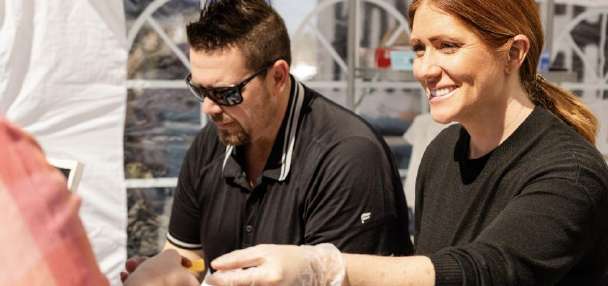
- Indian Peaks Band of Paiute council member Nikki Borchardt Campbell emphasizes intergenerational trauma and the need for cultural preservation.
CEDAR CITY — Members of Native American tribes across the state are wearing orange on Wednesday in observance of National Day of Remembrance for U.S. Indian Boarding Schools.
The day also aligns with Canada's National Day for Truth and Reconciliation, which also aims to highlight the countless indigenous children lost in boarding schools, both physically and by way of assimilation, said Indian Peaks Band of Paiute council member Nikki Borchardt Campbell.
"A lot of U.S. policies — in particular, the boarding school era policies in the late 1800s — have this long-standing effect on even contemporary indigenous people and our tribes today," Borchardt Campbell said. "There was the loss of individuals who were sent to boarding school, and who were either separated from their families and who may have passed away at these boarding schools. On a deeper level, you realize what happened there was this effort to assimilate Native Americans."
Borchardt Campbell is the executive director of the National American Indian Court Judges Association, training tribal court and state court judges on the Indian Child Welfare Act requirements. She said she sees on a daily basis the long-standing effect boarding schools have had on generations of indigenous people.
"The boarding school era has this long-standing legacy with very heavy implications," she said. "Even for those who did survive boarding schools, you have intergenerational trauma. What we do know about trauma is it can affect you down to a cellular level and affect all of your children and your grandchildren."
Several thousand Indigenous children are documented to have died in U.S. Indian boarding schools, according to recent data, with experts and federal officials saying the number is likely much higher.
Borchardt Campbell, who grew up in Cedar City, said she remembers hearing stories about that time from her grandmother, who recently passed away. That grandmother, she said, ran away from boarding school and made her way back to Cedar City as a young girl.
"We lost our grandmother during COVID, and we wanted to take pictures of her hands because my great-grandmother had tattooed every single one of her kids' hands because she was afraid that they were going to be stolen and kidnapped and put into boarding schools," she said. "Our great-grandmother knew that if that happened, she would be able to identify her children by seeing those tattoos on their hands.
"What happened during that time affects almost every single indigenous family that I know."
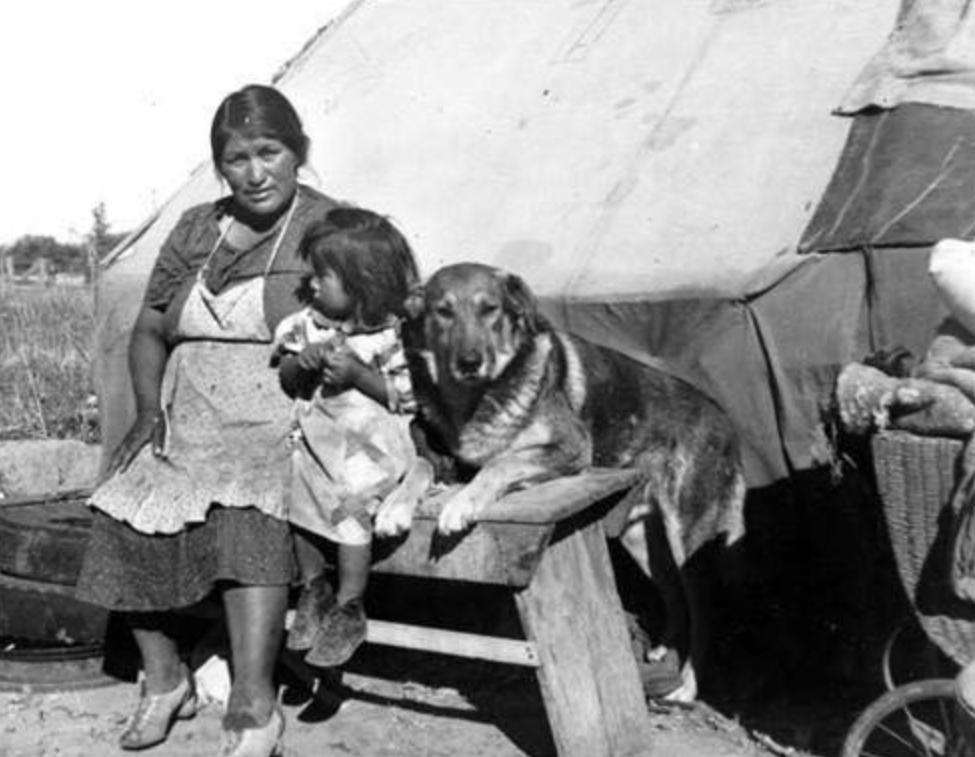
As a way to preserve the memories of those who were sent to these boarding schools, the Indian Peaks Band of Paiute recently acquired land in Panguitch where a boarding school once stood.
"There have been discoveries of remains at a lot of those boarding schools," Borchardt Campbell said. "Hitting closer to home, there is a boarding school in Panguitch where they discovered remains of children, and the Indian Peaks Band has just acquired that land."
Borchardt Campbell said wearing orange is one way to bring attention to what happened in those schools, adding that remembrance is something she and many other indigenous people practice daily.
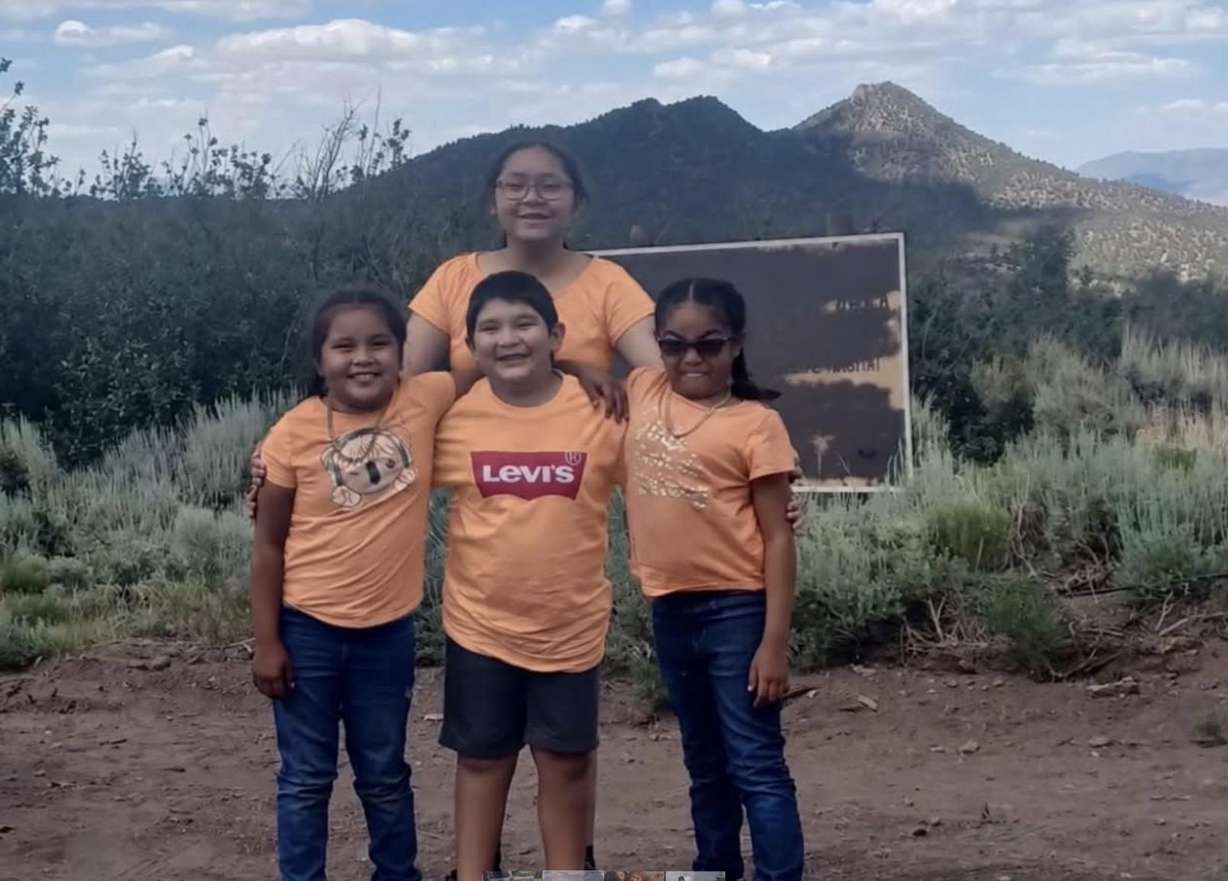
"What this day means for me, a tribal member, a band council member and as a mother, is ensuring that we continue to honor the memory of all our ancestors who went through that process and came out on the other side," she said. "It's a remembrance of those children, and it's a commitment for our exiting indigenous children that indigenous children know who they are, know where they came from and know their language, their tradition and their culture."