'%3e%3cpath%20d='M34.1406%205.85938C30.3906%202.10547%2025.3047%200%2020%200C14.6953%200%209.60938%202.10547%205.85938%205.85938C2.10938%209.61328%200%2014.6953%200%2020C0%2025.3047%202.10547%2030.3906%205.85938%2034.1406C9.61328%2037.8906%2014.6953%2040%2020%2040C25.3047%2040%2030.3906%2037.8945%2034.1406%2034.1406C37.8906%2030.3906%2040%2025.3047%2040%2020C40%2014.6953%2037.8945%209.60938%2034.1406%205.85938ZM37.0117%2023.543H31.1602V13.5391H27.6328V19.9414C28.1211%2020.6914%2028.3711%2021.582%2028.3711%2022.5625V22.625C28.3711%2023.668%2028.1172%2024.6055%2027.6328%2025.4297V26.6094H36.082C33.4883%2032.9375%2027.2891%2037.3789%2020.0039%2037.3789C10.3711%2037.3789%202.62109%2029.6289%202.62109%2020C2.62109%2010.3711%2010.3711%202.62109%2020%202.62109C29.6289%202.62109%2037.3789%2010.3711%2037.3789%2020C37.3789%2021.1484%2037.2617%2022.2656%2037.0508%2023.3477C37.0391%2023.4141%2037.0234%2023.4766%2037.0117%2023.543Z'%20fill='white'/%3e%3cpath%20d='M22.3086%2018.5352C20.4336%2018.125%2019.9531%2017.8398%2019.9766%2017.1836V17.1406C19.9766%2016.6992%2020.3477%2016.2148%2021.4023%2016.2148C22.582%2016.2148%2023.8867%2016.6797%2025.0781%2017.4766L26.8516%2015.0195C25.4453%2013.8906%2023.707%2013.3398%2021.5547%2013.3398C18.5195%2013.3398%2016.4375%2015%2016.4063%2017.4766V17.5352C16.3633%2020.2617%2018.5859%2020.9805%2021.293%2021.6016C23.0391%2021.9766%2023.5703%2022.3164%2023.5703%2022.9609L23.5469%2022.9766C23.5469%2023.3906%2023.2578%2023.7031%2022.7852%2023.8359C22.5742%2023.9062%2022.1289%2023.9727%2021.5156%2023.9727C20.7617%2023.9727%2019.7539%2023.8633%2018.6328%2023.4844C18.0898%2023.2891%2017.4727%2023.0039%2016.8047%2022.6133L20.1406%2026.625C20.2813%2026.6602%2021.0977%2026.8516%2021.7734%2026.8516C25.0039%2026.8516%2027.0859%2025.2461%2027.1094%2022.6328V22.5703C27.1602%2020.1133%2025.2148%2019.1719%2022.3086%2018.5352Z'%20fill='white'/%3e%3cpath%20d='M5.24219%2013.5664V26.6133H8.75391V23.7578L10.2969%2021.9531L14.2031%2026.6133H18.3867L12.3555%2019.5195L17.4023%2013.5664H13.4531L8.75391%2019.0586V13.5664H5.24219Z'%20fill='white'/%3e%3c/g%3e%3cdefs%3e%3cclipPath%20id='clip0_97_2430'%3e%3crect%20width='40'%20height='40'%20fill='white'/%3e%3c/clipPath%3e%3c/defs%3e%3c/svg%3e)


- Utah ranks first for addiction treatment access, per a Legacy Healing study.
- The study highlights Utah's narrow gap between treatment need and service access.
- Therapist Regina Dickinson notes improved access and reduced stigma in Utah.
LOGAN — Utah has been ranked the best state in the nation for access to treatment for drug addiction and other substance-use needs, according to a recent 48-state study by Legacy Healing Center.
The study compared the need for addiction treatment with access to available services. Researchers found Utah had the narrowest gap between those two measures among the 48 states included in the study.
The Legacy Healing Center study used data from several sources, including the Centers for Disease Control and Prevention, the FBI's Uniform Crime Report, Medicaid, Narcotics Anonymous, the Bureau of Labor Statistics and the National Center for Biotechnology Information.
Researchers considered factors including adult and teen illicit drug use, overdose deaths, substance use disorder rates, prescription pain reliever misuse and children living with drug problems when calculating the need for treatment.
They then compared that need with access to treatment, including treatment facilities, counselors, Medicaid treatment rates, Narcotics Anonymous meetings and pregnancy drug treatment availability.
According to the Legacy Healing Center study, Utah had an overall addiction-treatment need score of about 4.89, the lowest among the 48 states studied. Its access score was 22.4, one of the highest in the study.
The study also found Utah had an adult illicit drug use rate of 12.27%, a teen illicit drug use rate of 5.2%, and an overdose death rate of 21.4 per 100,000 people.
Utah therapist says access to care has improved
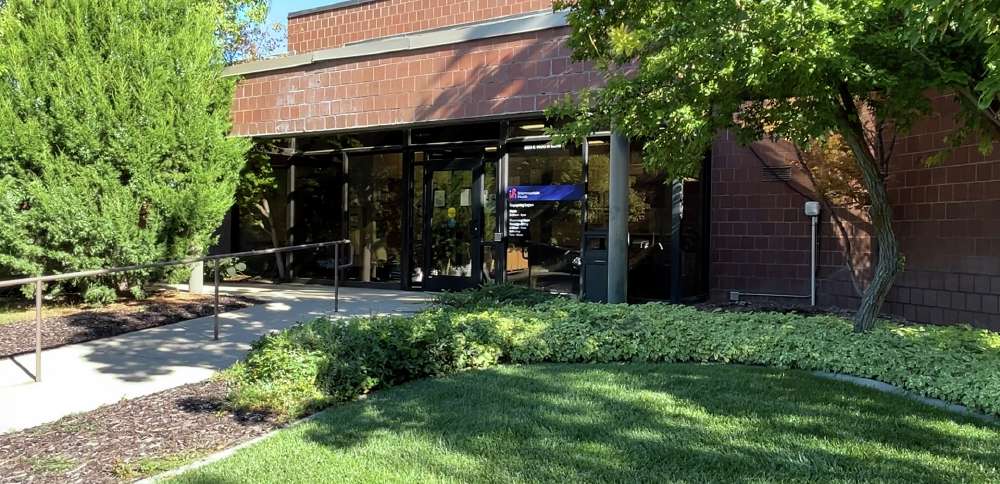
Regina Dickinson, a licensed clinical social worker and therapist with Intermountain Health, said Utah has made progress in recognizing the need for addiction treatment.
"I think Utah has done a wonderful job of realizing the need for care and saying, OK, this is something we can't ignore," Dickinson said.
Dickinson has worked as a clinical therapist for 10 years and said one of the biggest improvements in Utah has been access to treatment.
"It's really easy to find care for addiction recovery. We have a lot of options available," she said.
Insurance can be another barrier for people seeking treatment, but Dickinson said Utah has resources to help patients navigate that process.
"We're really good at working with insurance agencies," she said.
Peer support is another area where Utah performs well, Dickinson said. But she said there is still work to do when it comes to the stigma surrounding addiction and recovery.
"Really, really important that we lessen that stigma. And I think Utah is working on that," she said.
Recovery involves more than treatment
Dickinson said successful recovery also depends on what she calls "recovery capital," the stability and support a person needs to rebuild their life.
"Recovery capital is extremely important. And that's employment. That's housing. That's feeling like you're a part of your community again," she said.
She said addiction is a chronic disease and recovery is an ongoing process. Reducing the stigma surrounding addiction can make it easier for people to seek help.
Dickinson encouraged family members and friends to support someone who is ready to seek treatment, including offering to go with them.
"Be the person that says, ' Hey, I will come with you; I will. I understand there's an issue, and let me walk in the door with you. And I will sit there as you meet with someone for the first time."
People are often prompted to seek help because of outside circumstances, Dickinson said. Those can include a legal problem, relationship issue, employment or school concern, or a health issue.
But taking that first step can still be difficult.
"That willpower comes in. I will do this. I am ready for change. But it's still scary, right? So don't do it by yourself. Take somebody with you. You're not alone in this," she said.
Intermountain Health expands recovery services to teens
Dickinson also said Intermountain Health recently expanded its recovery program to include teenagers.
People seeking information about addiction recovery services can talk with their primary care provider about available treatment options.