'%3e%3cpath%20d='M34.1406%205.85938C30.3906%202.10547%2025.3047%200%2020%200C14.6953%200%209.60938%202.10547%205.85938%205.85938C2.10938%209.61328%200%2014.6953%200%2020C0%2025.3047%202.10547%2030.3906%205.85938%2034.1406C9.61328%2037.8906%2014.6953%2040%2020%2040C25.3047%2040%2030.3906%2037.8945%2034.1406%2034.1406C37.8906%2030.3906%2040%2025.3047%2040%2020C40%2014.6953%2037.8945%209.60938%2034.1406%205.85938ZM37.0117%2023.543H31.1602V13.5391H27.6328V19.9414C28.1211%2020.6914%2028.3711%2021.582%2028.3711%2022.5625V22.625C28.3711%2023.668%2028.1172%2024.6055%2027.6328%2025.4297V26.6094H36.082C33.4883%2032.9375%2027.2891%2037.3789%2020.0039%2037.3789C10.3711%2037.3789%202.62109%2029.6289%202.62109%2020C2.62109%2010.3711%2010.3711%202.62109%2020%202.62109C29.6289%202.62109%2037.3789%2010.3711%2037.3789%2020C37.3789%2021.1484%2037.2617%2022.2656%2037.0508%2023.3477C37.0391%2023.4141%2037.0234%2023.4766%2037.0117%2023.543Z'%20fill='white'/%3e%3cpath%20d='M22.3086%2018.5352C20.4336%2018.125%2019.9531%2017.8398%2019.9766%2017.1836V17.1406C19.9766%2016.6992%2020.3477%2016.2148%2021.4023%2016.2148C22.582%2016.2148%2023.8867%2016.6797%2025.0781%2017.4766L26.8516%2015.0195C25.4453%2013.8906%2023.707%2013.3398%2021.5547%2013.3398C18.5195%2013.3398%2016.4375%2015%2016.4063%2017.4766V17.5352C16.3633%2020.2617%2018.5859%2020.9805%2021.293%2021.6016C23.0391%2021.9766%2023.5703%2022.3164%2023.5703%2022.9609L23.5469%2022.9766C23.5469%2023.3906%2023.2578%2023.7031%2022.7852%2023.8359C22.5742%2023.9062%2022.1289%2023.9727%2021.5156%2023.9727C20.7617%2023.9727%2019.7539%2023.8633%2018.6328%2023.4844C18.0898%2023.2891%2017.4727%2023.0039%2016.8047%2022.6133L20.1406%2026.625C20.2813%2026.6602%2021.0977%2026.8516%2021.7734%2026.8516C25.0039%2026.8516%2027.0859%2025.2461%2027.1094%2022.6328V22.5703C27.1602%2020.1133%2025.2148%2019.1719%2022.3086%2018.5352Z'%20fill='white'/%3e%3cpath%20d='M5.24219%2013.5664V26.6133H8.75391V23.7578L10.2969%2021.9531L14.2031%2026.6133H18.3867L12.3555%2019.5195L17.4023%2013.5664H13.4531L8.75391%2019.0586V13.5664H5.24219Z'%20fill='white'/%3e%3c/g%3e%3cdefs%3e%3cclipPath%20id='clip0_97_2430'%3e%3crect%20width='40'%20height='40'%20fill='white'/%3e%3c/clipPath%3e%3c/defs%3e%3c/svg%3e)




- Salt Lake City considers easing zoning for second homes on larger lots.
- The proposal aims to simplify processes for homeowners but not professional developers.
- Public feedback is open until Sept. 14 before further City Council review.
SALT LAKE CITY — Utah's capital city continues to deal with a housing shortage, which has led to efforts to increase housing stock through zoning changes in recent years.
A proposed zoning ordinance that would make it easier for homeowners on larger lots to build second homes is among the possible new options. Salt Lake City's planning division is still gathering feedback on the concept before it plans to pitch it to the city leaders at a later time.
"We're trying to help folks with odd situations be able to still use their property to their fullest extent," said Aaron Barlow, a senior planner for Salt Lake City, adding that it's similar to an effort to expand housing options in residential areas.
The proposal would apply to a handful of residential, multi-family and form-based zones.
Salt Lake City has many unique lots where second homes are possible, Barlow explains.
Most are relatively narrow in width, but deep in length, making it possible to build a second home. These lots are more common in older neighborhoods that were previously agricultural in nature, like Central City east of downtown.
Some of these homes already share driveways with space behind them, but if owners wanted to build anything on that lot, they'd have to go through the Salt Lake City Planning Commission. That, he said, is usually complex and time-consuming for everyone.
Thus, the proposal calls for two review processes for second homes on residential lots. A private homeowner would only have to go through the planning division, which would review to make sure it meets standards before approving construction.
"In a planned development, it's like if an applicant can offer something to the city, the city could waive certain standards or requirements — but it has to be a net positive for the city," Barlow told KSL.
It would only go to the planning commission if "impacts, public concern or multiple modifications" prompt the need for additional review. Short-term rentals would not be permitted since they're banned in most residential zones.
Professional developers, on the other hand, would still have to go through the planning commission for the same types of projects and have stricter standards. There would be requirements to ensure no net loss in bedrooms, and also protections to make sure housing remains in residential neighborhoods.
Developers would also have to provide a community benefit, such as deeply affordable housing, utility upgrades or historic preservation.
New buildings in mixed-use and downtown zoning districts could add building heights if they check all the boxes, especially if the original building is shorter than the base height its zoning allows.
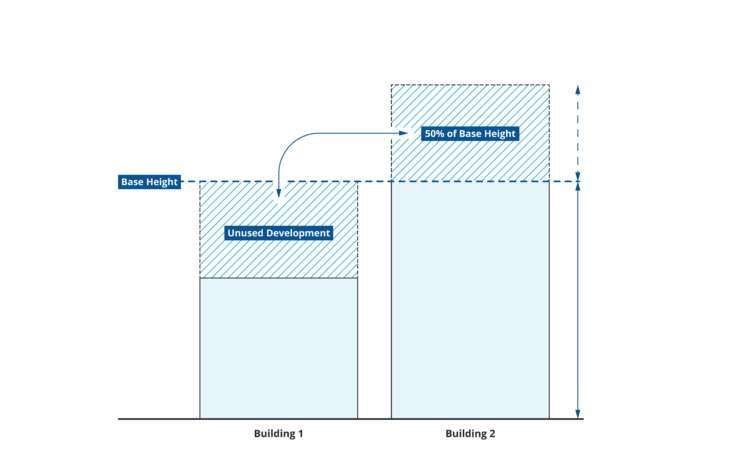
Barlow points out that additional height is allowed in most zones if community benefits are included. Setbacks would be required to help offset additional height concerns.
"This is just another way (to offer) different ways for people to use processes that work for them," he said.
The city held an open house over the proposal late last month, which drew a few people, including Jenny and Travis Starley, who serve on the Central City Neighborhood Council as the organization's vice chair and land use lead, respectively.
They left the public house unsure of how they felt about what was proposed. They say there's a strong desire for affordable housing within the neighborhood, but there are also concerns about protecting historic homes as the city's downtown growth has crept eastward in recent years.
They also know that there are large concerns over transportation impacts with every project. Given all of that, the Starleys planned on meeting with their neighbors before the neighborhood council adopts an official position.
"We want to represent the community as a majority whole," Jenny Starley said.
Salt Lake City is still collecting public comment on the proposal through Sept. 14. After that, it will go through the planning commission for recommendations. It's up to the City Council to approve or deny the concept.
Additional public comment windows will open before any final votes.