'%3e%3cpath%20d='M34.1406%205.85938C30.3906%202.10547%2025.3047%200%2020%200C14.6953%200%209.60938%202.10547%205.85938%205.85938C2.10938%209.61328%200%2014.6953%200%2020C0%2025.3047%202.10547%2030.3906%205.85938%2034.1406C9.61328%2037.8906%2014.6953%2040%2020%2040C25.3047%2040%2030.3906%2037.8945%2034.1406%2034.1406C37.8906%2030.3906%2040%2025.3047%2040%2020C40%2014.6953%2037.8945%209.60938%2034.1406%205.85938ZM37.0117%2023.543H31.1602V13.5391H27.6328V19.9414C28.1211%2020.6914%2028.3711%2021.582%2028.3711%2022.5625V22.625C28.3711%2023.668%2028.1172%2024.6055%2027.6328%2025.4297V26.6094H36.082C33.4883%2032.9375%2027.2891%2037.3789%2020.0039%2037.3789C10.3711%2037.3789%202.62109%2029.6289%202.62109%2020C2.62109%2010.3711%2010.3711%202.62109%2020%202.62109C29.6289%202.62109%2037.3789%2010.3711%2037.3789%2020C37.3789%2021.1484%2037.2617%2022.2656%2037.0508%2023.3477C37.0391%2023.4141%2037.0234%2023.4766%2037.0117%2023.543Z'%20fill='white'/%3e%3cpath%20d='M22.3086%2018.5352C20.4336%2018.125%2019.9531%2017.8398%2019.9766%2017.1836V17.1406C19.9766%2016.6992%2020.3477%2016.2148%2021.4023%2016.2148C22.582%2016.2148%2023.8867%2016.6797%2025.0781%2017.4766L26.8516%2015.0195C25.4453%2013.8906%2023.707%2013.3398%2021.5547%2013.3398C18.5195%2013.3398%2016.4375%2015%2016.4063%2017.4766V17.5352C16.3633%2020.2617%2018.5859%2020.9805%2021.293%2021.6016C23.0391%2021.9766%2023.5703%2022.3164%2023.5703%2022.9609L23.5469%2022.9766C23.5469%2023.3906%2023.2578%2023.7031%2022.7852%2023.8359C22.5742%2023.9062%2022.1289%2023.9727%2021.5156%2023.9727C20.7617%2023.9727%2019.7539%2023.8633%2018.6328%2023.4844C18.0898%2023.2891%2017.4727%2023.0039%2016.8047%2022.6133L20.1406%2026.625C20.2813%2026.6602%2021.0977%2026.8516%2021.7734%2026.8516C25.0039%2026.8516%2027.0859%2025.2461%2027.1094%2022.6328V22.5703C27.1602%2020.1133%2025.2148%2019.1719%2022.3086%2018.5352Z'%20fill='white'/%3e%3cpath%20d='M5.24219%2013.5664V26.6133H8.75391V23.7578L10.2969%2021.9531L14.2031%2026.6133H18.3867L12.3555%2019.5195L17.4023%2013.5664H13.4531L8.75391%2019.0586V13.5664H5.24219Z'%20fill='white'/%3e%3c/g%3e%3cdefs%3e%3cclipPath%20id='clip0_97_2430'%3e%3crect%20width='40'%20height='40'%20fill='white'/%3e%3c/clipPath%3e%3c/defs%3e%3c/svg%3e)


- Stephanie Taylor-Thompson opened Cornerstone Wellness and Recovery in Idaho Falls.
- The center offers addiction and mental health services, including outpatient treatment and counseling.
- Taylor-Thompson's personal recovery journey and faith inspired the center's creation.
IDAHO FALLS — A dream that started more than 10 years ago for Stephanie Taylor-Thompson finally came to fruition over the weekend.
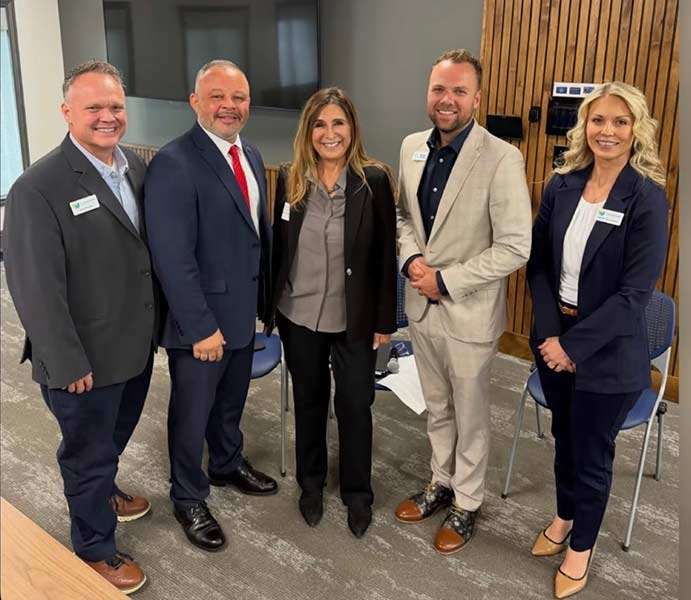
Idaho Falls Mayor Lisa Burtenshaw, city council members, state lawmakers, as well as representatives from the U.S. Department of Health and Human Services were in Idaho Falls on Friday for the grand opening of Cornerstone Wellness and Recovery.
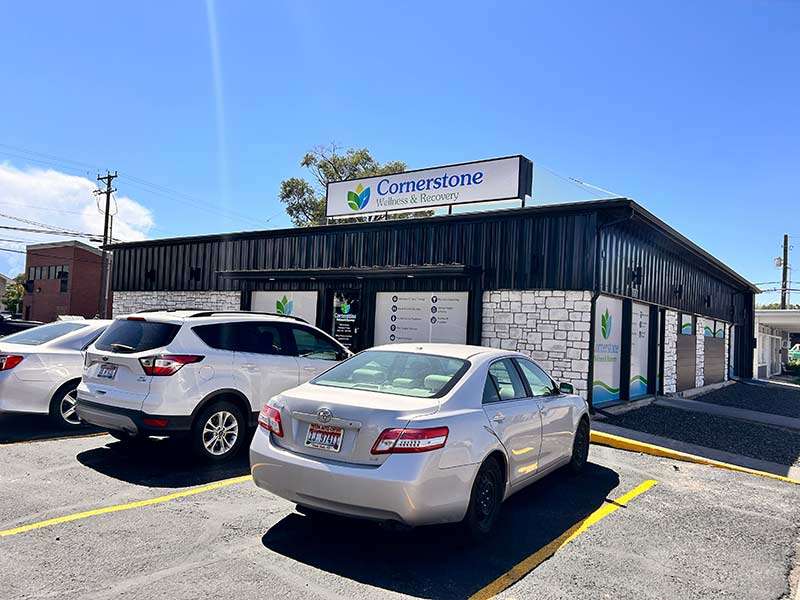
The building at 522 Lomax will serve youth and adults struggling with addiction and mental health challenges. Additional services include partial hospitalization, intensive outpatient treatment, counseling, therapy, recovery coaching, case management, peer support and care coordination.
Taylor-Thompson is the co-founder of the clinic with Jeremy Manwaring. She tells EastIdahoNews.com it feels "a bit surreal" to see it become a reality.
"The Lord put this on my heart a long time ago. I just didn't think it would ever happen," she said. "We're here now, and it's amazing! We've got an awesome team. Our No. 1 goal is to care for people while they're (recovering from addiction)."
The celebration of the center's completion was preceded by a roundtable discussion at Just 4 Kids with special guests from the Dept. of Health and Human Services. In attendance was Monty Burks, director of the department's Center for Faith, and senior advisor to the Great American Recovery Initiative, which the department launched in January to prioritize addiction treatment and recovery nationwide.
Victoria Seaman, the regional director for the Office of the Secretary of Intergovernmental and External Affairs, also participated and spoke at the center's ribbon-cutting.
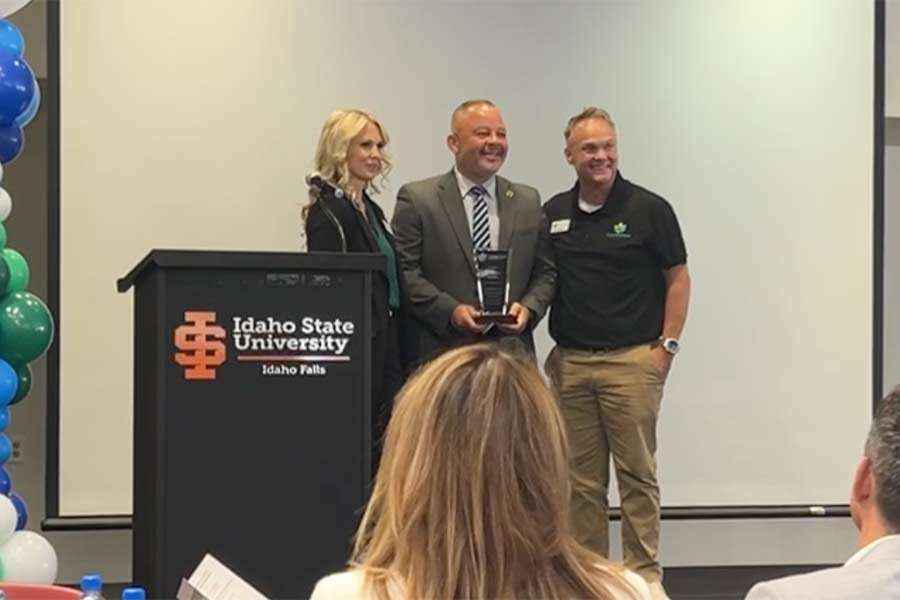
The event culminated on Saturday with Recover Out Loud, a community celebration of recovery, hope and resilience, held at Idaho State University in the Bennion Student Union building in Idaho Falls.
Burks was the keynote speaker and shared aspects of his addiction recovery journey.
"We just celebrated 250 years of America. I stood at the White House and watched fireworks fly everywhere, and you know what went through my mind? Twenty-six years ago, I was in a recovery program asking God to show me what to do next," Burks told the crowd. "Broken people heal. Healed people can help people find healing."
Burks said houses of worship have given people a sense of community in America before the nation was founded, and they continue to be a resource for people to find support in various ways, not just addiction. As such, Burks said the most logical resource to use when the department launched the Great American Recovery Initiative was the faith community.
The department's Center for Faith, according to its website, helps "faith-based entities, community organizations, and houses of worship in their efforts to strengthen families and enhance the health and well-being of all Americans."
"It's about humility, connection and relationships," Burks said in a conversation with EastIdahoNews.com.
A life of faith, service and second chances
Taylor-Thompson has had her own struggles with drug addiction in the past, and she said faith played a pivotal role in her recovery and motivates her to continue serving and giving back.
"My faith drives me in all that I do. I am committed to serving with excellence," Taylor-Thompson told EastIdahoNews.com in an interview last year.
An addiction to methamphetamine and cocaine began as a teenager. She grew up in a household whose parents were both mentally ill, and her father "had a horrendous addiction to alcohol," which resulted in abusive behavior. Taylor-Thompson said the abuse she experienced as a kid, combined with her unstable home life, resulted in poor decision-making that led her to make friends with the wrong people. She became a victim of human trafficking, and her drug use led to her arrest in Montana in 2010.
She spent more than a year in prison.
During her incarceration at the Pocatello Women's Correctional Center, a prison ministry volunteer mentored and helped her. Taylor-Thompson read the Bible cover-to-cover nine times.
She said her parole officer spent a lot of time helping her get on her feet after her release.
Over the last 14 years, she's served on the boards for the Behavioral Health Crisis Center, the Center for Hope and the Greater Idaho Falls Police Foundation. Today, Taylor-Thompson has degrees in criminology, sociology and social work. She is a national-level director in prison ministry and is currently pursuing a juris doctorate degree.

Taylor-Thompson's former parole officer attended Saturday's event, which the co-founder of Cornerstone Wellness and Recovery noted in her remarks.
"I love you, Sarah (her parole officer's name) so much," Taylor-Thompson said through tears.
Taylor-Thompson said Sarah went with her to an advising appointment at ISU years ago, which was instrumental in her ability to start school.
"To this day, I believe I'm the only one who's come to an academic advisor with an armed officer," she said, eliciting laughter from the crowd. "She left a note that I was going to school — period."
A collaboration with Burks and the Department of Health and Human Services over the last several years has resulted in the opening of Cornerstone, and Taylor-Thompson said she's looking forward to helping others who are in a spot where she once was.
"The opposite of addiction is connection … and we'll be serving survivors across the country," Taylor-Thompson said.
Others who spoke at Saturday's event include Mayor Lisa Burtenshaw, Rep. Stephanie Mickelsen, R-Idaho Falls, City Councilman Brandon Lee, Brio Home Health & Hospice CEO Corey Boyd, Bonneville County Sheriff Sam Hulse and Rep. Erin Bingham, R-Idaho Falls.