'%3e%3cpath%20d='M34.1406%205.85938C30.3906%202.10547%2025.3047%200%2020%200C14.6953%200%209.60938%202.10547%205.85938%205.85938C2.10938%209.61328%200%2014.6953%200%2020C0%2025.3047%202.10547%2030.3906%205.85938%2034.1406C9.61328%2037.8906%2014.6953%2040%2020%2040C25.3047%2040%2030.3906%2037.8945%2034.1406%2034.1406C37.8906%2030.3906%2040%2025.3047%2040%2020C40%2014.6953%2037.8945%209.60938%2034.1406%205.85938ZM37.0117%2023.543H31.1602V13.5391H27.6328V19.9414C28.1211%2020.6914%2028.3711%2021.582%2028.3711%2022.5625V22.625C28.3711%2023.668%2028.1172%2024.6055%2027.6328%2025.4297V26.6094H36.082C33.4883%2032.9375%2027.2891%2037.3789%2020.0039%2037.3789C10.3711%2037.3789%202.62109%2029.6289%202.62109%2020C2.62109%2010.3711%2010.3711%202.62109%2020%202.62109C29.6289%202.62109%2037.3789%2010.3711%2037.3789%2020C37.3789%2021.1484%2037.2617%2022.2656%2037.0508%2023.3477C37.0391%2023.4141%2037.0234%2023.4766%2037.0117%2023.543Z'%20fill='white'/%3e%3cpath%20d='M22.3086%2018.5352C20.4336%2018.125%2019.9531%2017.8398%2019.9766%2017.1836V17.1406C19.9766%2016.6992%2020.3477%2016.2148%2021.4023%2016.2148C22.582%2016.2148%2023.8867%2016.6797%2025.0781%2017.4766L26.8516%2015.0195C25.4453%2013.8906%2023.707%2013.3398%2021.5547%2013.3398C18.5195%2013.3398%2016.4375%2015%2016.4063%2017.4766V17.5352C16.3633%2020.2617%2018.5859%2020.9805%2021.293%2021.6016C23.0391%2021.9766%2023.5703%2022.3164%2023.5703%2022.9609L23.5469%2022.9766C23.5469%2023.3906%2023.2578%2023.7031%2022.7852%2023.8359C22.5742%2023.9062%2022.1289%2023.9727%2021.5156%2023.9727C20.7617%2023.9727%2019.7539%2023.8633%2018.6328%2023.4844C18.0898%2023.2891%2017.4727%2023.0039%2016.8047%2022.6133L20.1406%2026.625C20.2813%2026.6602%2021.0977%2026.8516%2021.7734%2026.8516C25.0039%2026.8516%2027.0859%2025.2461%2027.1094%2022.6328V22.5703C27.1602%2020.1133%2025.2148%2019.1719%2022.3086%2018.5352Z'%20fill='white'/%3e%3cpath%20d='M5.24219%2013.5664V26.6133H8.75391V23.7578L10.2969%2021.9531L14.2031%2026.6133H18.3867L12.3555%2019.5195L17.4023%2013.5664H13.4531L8.75391%2019.0586V13.5664H5.24219Z'%20fill='white'/%3e%3c/g%3e%3cdefs%3e%3cclipPath%20id='clip0_97_2430'%3e%3crect%20width='40'%20height='40'%20fill='white'/%3e%3c/clipPath%3e%3c/defs%3e%3c/svg%3e)


- Idaho Falls celebrates 45 years of friendship with Tokai-Mura, Japan, through sister city exchanges.
- The Sister Cities program has been promoting peace, cultural understanding and economic cooperation since 1981.
- Delegates from Tokai-Mura are visiting Idaho Falls, experiencing local attractions and building relationships.
IDAHO FALLS — More than 80 years after World War II turned the United States and Japan into bitter enemies, teenagers from a small Japanese village are spending the next 10 days in Idaho Falls — a living reminder of how friendship can outlast history.
Youth delegates from Tokai-Mura, Japan, arrived in Idaho Falls on Thursday for a Sister Cities exchange.
The city has had an ongoing relationship with the eastern Japanese village since 1981. The purpose of the exchange is to celebrate 45 years of friendship. During the trip, the delegation — which consists of 15 students between 12 and 18, and three adult chaperones — will be introduced to the people, places and experiences that make eastern Idaho unique.
On Friday, the students met with Mayor Lisa Burtenshaw and visited the Idaho Falls Police Department Complex. They also saw the Sister Cities display at the Idaho Falls Public Library and visited the Idaho Falls Zoo, Funland and indoor pickleball courts at Tautphaus Park.
Host families are providing a living space for the students as they visit a wide range of local attractions and activities. Their itinerary includes visits to Island Park and Yellowstone National Park, the Idaho National Lab, Museum of Idaho, and local schools, including College of Eastern Idaho. They will also attend the War Bonnet Round Up rodeo and spend a day at Lagoon.
The Sister Cities program was established by President Dwight D. Eisenhower in 1956 to promote peace, cultural understanding, educational exchanges, and economic cooperation. The five-star general — who was given unprecedented command of all Allied forces during World War II — believed that personal connections between ordinary citizens could help prevent future conflicts.
From wartime hatred to lasting friendship
On Dec. 7, 1941, Japan's surprise attack on Pearl Harbor plunged the United States into World War II and resulted in many Americans feeling racial animosity towards those of Japanese descent.
Months later, on Feb. 19, 1942, President Franklin D. Roosevelt issued an executive order authorizing the military to gather up 120,000 people of Japanese descent, even those who were American citizens, and place them in concentration camps scattered throughout the U.S.
More than 10,000 Japanese Americans were housed at the Minidoka War Relocation Center in Jerome County between 1942 and 1945. It's now recognized as a national historic site.
On April 18, 1942, Lt. Col. James Doolittle of the United States Air Force led a B-25 air raid over Tokyo. America's initial retaliation against the Japanese killed 50 people and caused only minor damage, but it did much to boost morale for U.S. forces.
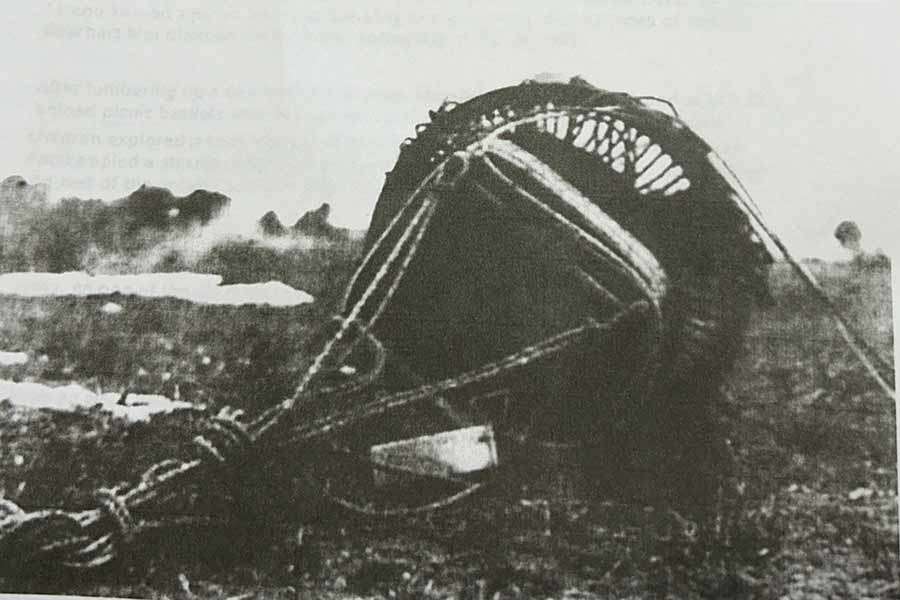
The Japanese later launched thousands of balloons armed with incendiary bombs designed to terrorize America in the waning days of World War II. The plot ultimately failed. Of the 9,000 balloons that were launched, only about 1,000 made it to North America, one of which landed in Rigby.
A Rigby Star article, written the day before the U.S. bombed Japan, referred to the East Asian country as a "bastard nation" that "must be reduced to zero and closely watched for many years."
The following month, then-Idaho Gov. Chase Clark, who was from Idaho Falls, made a disparaging remark about the Japanese while speaking at a Lion's Club meeting in Grangeville.
"Japs live like rats, breed like rats and act like rats. We don't want them permanently located in our state," Clark is reported to have said.
Clark said "the Jap problem" could best be solved by returning all people of Japanese descent to Japan and "then sink the island."
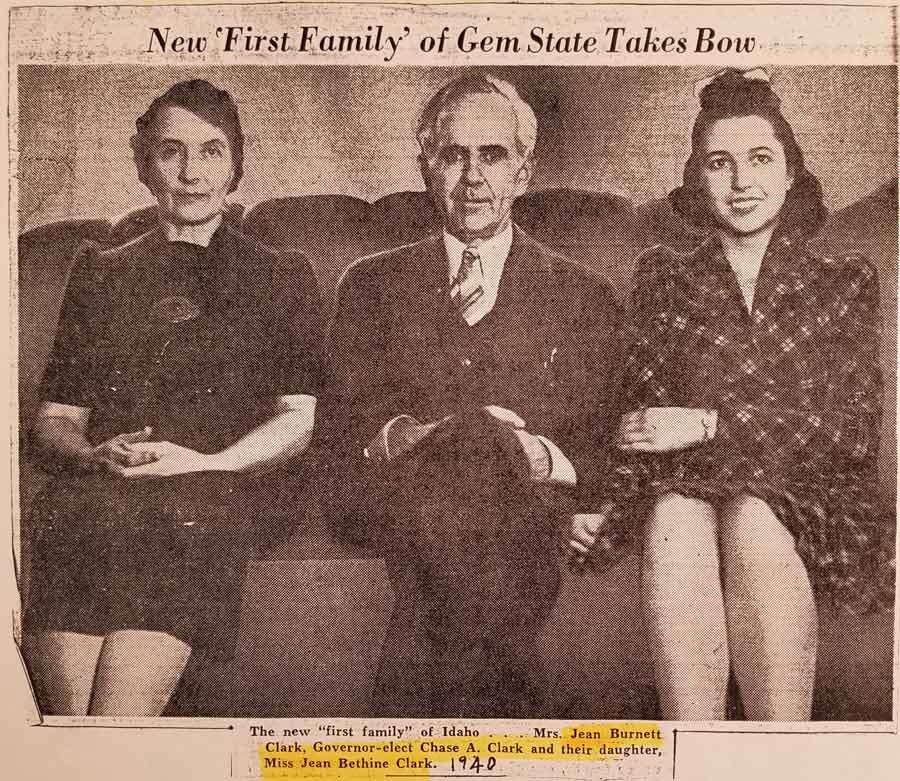
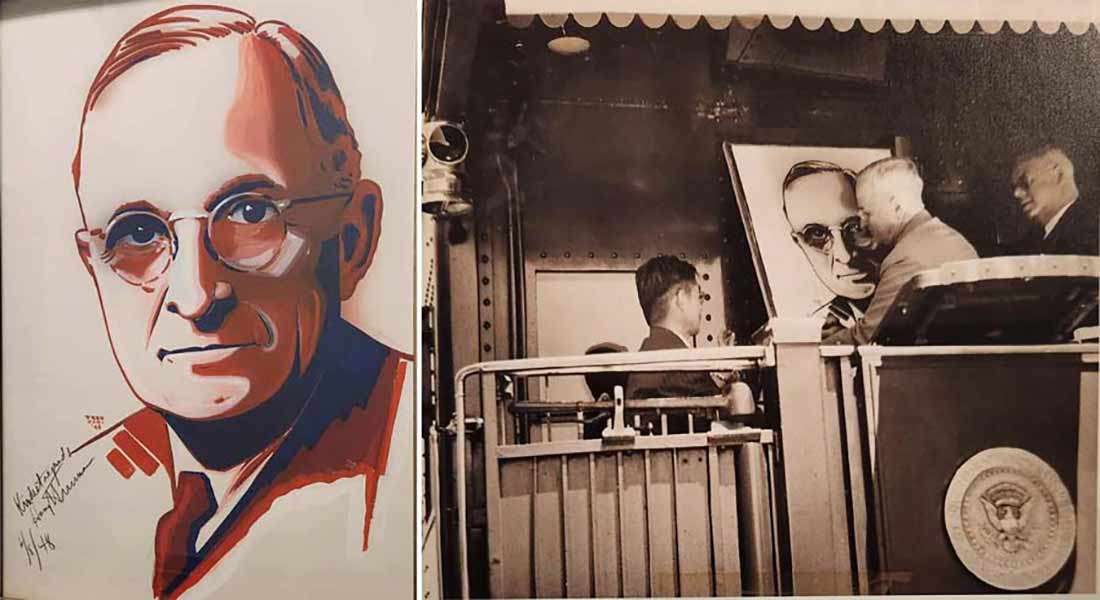
Clark, who supported the relocation of Japanese people to the Minidoka camp, lost the election later that year but was later appointed as a federal district judge and presided over the Nisei Trials in Idaho. This was a case involving 37 Japanese-American men who were incarcerated at the Minidoka War Relocation Center and later defied draft orders. President Harry Truman pardoned them in 1947.
Clark reportedly apologized for his disparaging statement years later. His grandson, Chase Church, believes it was the reason he was not reelected for a second term.
There was a fairly large population of Japanese Americans in Idaho Falls as WWII was raging, and although the hostilities toward them weren't as bad as in other places, they still had curfews and other travel restrictions imposed on them.
The war came to an end in 1945 after the U.S. dropped an atomic bomb over Hiroshima and Nagasaki, Japan, but American hostility towards the Japanese remained. It would be more than three decades before Roosevelt's executive order was officially rescinded. Congress passed the Civil Liberties Act in 1988, calling the order a "grave injustice" to Japanese Americans. Around $1.6 billion in reparations were given to "formerly interned Japanese Americans or their heirs," one article reports.
"We must recognize that the internment of Japanese Americans was … a mistake," President Ronald Reagan said in a 1988 speech. "Throughout the war, Japanese Americans in the tens of thousands remained utterly loyal to the United States."
Today, a Day of Remembrance revolving around Roosevelt's executive order is held every year. The Japanese American Citizens League works to "secure and maintain the civil rights of Japanese Americans and all others who are victimized by injustice and bigotry."
How nuclear research sparked a 45-year friendship
Decades after Eisenhower created the Sister Cities program, Idaho Falls had developed a collaborative relationship with Tokai Mura through what was then the Idaho National Engineering Laboratory. Scientists with the Japan Atomic Energy Research Institute in Tokai and the desert site in Idaho began exchanging visits and working together on nuclear safety research around 1976, according to Japanese historical records.
"During this time, the idea of a sister city relationship arose, mainly among Japanese Americans living in Idaho, and the idea was relayed to the village through (institute) staff. In October 1978, a letter of intent to establish a sister city relationship arrived from the City of Falls, Idaho, to the village mayor," the document says.
The two cities officially entered into a partnership on July 3, 1981. A commemorative ceremony was held in Idaho Falls to not only acknowledge the sister city status, but also pledge "eternal development and lasting friendship between the two cities."
The Idaho Falls Japanese Friendship Garden at 600 W. Broadway was created in 2011 to commemorate the 30th anniversary of the sister-city relationship. A deadly earthquake and tsunami occurred in Japan that same year, and the Friendship Garden also became a tribute to the victims of that tragedy. It was dedicated in 2012 and a student delegation from Tokai-Mura attended.
Forty-five years after its partnership began, the Sister Cities program facilitates annual exchanges between the two communities. Japanese youth visit Idaho Falls while Idaho Falls adults travel to Japan.
Laura Combs, president of the Idaho Falls Sister Cities Youth program, says these yearly exchanges help build relationships and cultural understanding across generations.
"It's amazing to see our home community through an exchange student's eyes. Something we find routine, they find surprising," Combs says in a news release. "Our homes, climate, geography and languages are different, but hospitality is a universal language, and this program creates lifelong friendships and understanding."