'%3e%3cpath%20d='M34.1406%205.85938C30.3906%202.10547%2025.3047%200%2020%200C14.6953%200%209.60938%202.10547%205.85938%205.85938C2.10938%209.61328%200%2014.6953%200%2020C0%2025.3047%202.10547%2030.3906%205.85938%2034.1406C9.61328%2037.8906%2014.6953%2040%2020%2040C25.3047%2040%2030.3906%2037.8945%2034.1406%2034.1406C37.8906%2030.3906%2040%2025.3047%2040%2020C40%2014.6953%2037.8945%209.60938%2034.1406%205.85938ZM37.0117%2023.543H31.1602V13.5391H27.6328V19.9414C28.1211%2020.6914%2028.3711%2021.582%2028.3711%2022.5625V22.625C28.3711%2023.668%2028.1172%2024.6055%2027.6328%2025.4297V26.6094H36.082C33.4883%2032.9375%2027.2891%2037.3789%2020.0039%2037.3789C10.3711%2037.3789%202.62109%2029.6289%202.62109%2020C2.62109%2010.3711%2010.3711%202.62109%2020%202.62109C29.6289%202.62109%2037.3789%2010.3711%2037.3789%2020C37.3789%2021.1484%2037.2617%2022.2656%2037.0508%2023.3477C37.0391%2023.4141%2037.0234%2023.4766%2037.0117%2023.543Z'%20fill='white'/%3e%3cpath%20d='M22.3086%2018.5352C20.4336%2018.125%2019.9531%2017.8398%2019.9766%2017.1836V17.1406C19.9766%2016.6992%2020.3477%2016.2148%2021.4023%2016.2148C22.582%2016.2148%2023.8867%2016.6797%2025.0781%2017.4766L26.8516%2015.0195C25.4453%2013.8906%2023.707%2013.3398%2021.5547%2013.3398C18.5195%2013.3398%2016.4375%2015%2016.4063%2017.4766V17.5352C16.3633%2020.2617%2018.5859%2020.9805%2021.293%2021.6016C23.0391%2021.9766%2023.5703%2022.3164%2023.5703%2022.9609L23.5469%2022.9766C23.5469%2023.3906%2023.2578%2023.7031%2022.7852%2023.8359C22.5742%2023.9062%2022.1289%2023.9727%2021.5156%2023.9727C20.7617%2023.9727%2019.7539%2023.8633%2018.6328%2023.4844C18.0898%2023.2891%2017.4727%2023.0039%2016.8047%2022.6133L20.1406%2026.625C20.2813%2026.6602%2021.0977%2026.8516%2021.7734%2026.8516C25.0039%2026.8516%2027.0859%2025.2461%2027.1094%2022.6328V22.5703C27.1602%2020.1133%2025.2148%2019.1719%2022.3086%2018.5352Z'%20fill='white'/%3e%3cpath%20d='M5.24219%2013.5664V26.6133H8.75391V23.7578L10.2969%2021.9531L14.2031%2026.6133H18.3867L12.3555%2019.5195L17.4023%2013.5664H13.4531L8.75391%2019.0586V13.5664H5.24219Z'%20fill='white'/%3e%3c/g%3e%3cdefs%3e%3cclipPath%20id='clip0_97_2430'%3e%3crect%20width='40'%20height='40'%20fill='white'/%3e%3c/clipPath%3e%3c/defs%3e%3c/svg%3e)




Estimated read time: 3-4 minutes
- Utah Sen. John Curtis urges Trump to reverse Russian diesel deal citing legal concerns.
- Ukraine's Volodymyr Zelenskyy criticizes the deal warning it aids Russia's war efforts.
- Sen. Mike Lee accuses Zelenskyy of helping Democrats; Trump suggests Ukraine needs new leadership.
WASHINGTON — Utah Sen. John Curtis is calling on President Donald Trump to reverse course on his deal to import Russian diesel, marking a high-profile break with the White House — while fellow Utah Sen. Mike Lee criticized Ukrainian President Volodymyr Zelenskyy for his reaction to the deal.
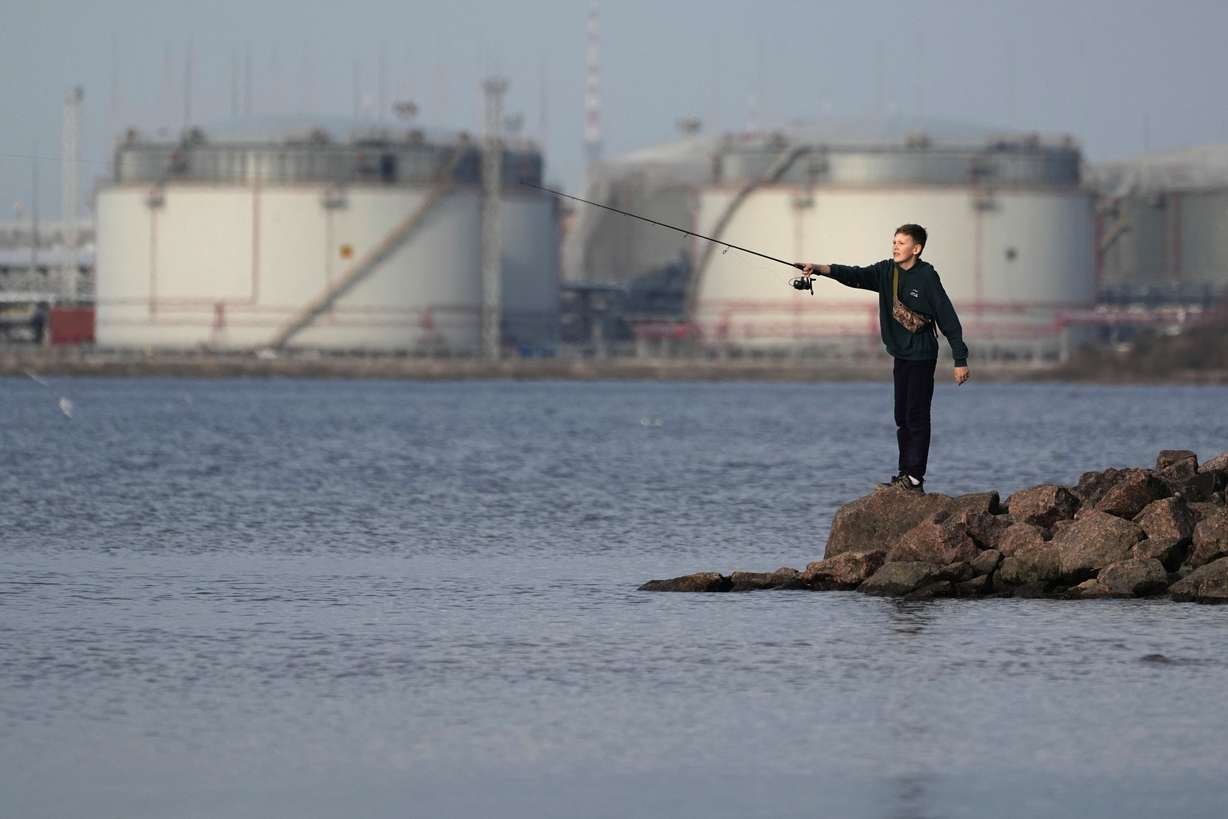
Curtis signed on to a bipartisan statement over the weekend urging Trump to "immediately reverse course" after announcing on Friday that Russia had agreed to supply more than 300,000 metric tons of diesel fuel to the United States over the coming weeks. The deal comes as Trump looks to lower diesel prices, which have risen exponentially amid the wars in Ukraine and in Iran, becoming a major focal point in the midterm elections.
However, Curtis and other senators on the Senate Foreign Relations Committee raised concerns that the deal runs afoul of a law passed by Congress and signed by former President Joe Biden in 2022 that "explicitly banned Russian energy imports in 2022." The lawmakers also cited concerns the deal would boost Russian efforts to overcome Ukraine in the four-year conflict.
"President Trump's decision to allow diesel imports to the U.S. runs directly counter to that law," the senators wrote. "The Administration has also failed to consult with Congress or submit any explanation to justify its decision as required by statute."
Curtis is one of three Republicans to sign on to the statement along with three Democrats. Members of both parties outside of the committee have criticized the deal, raising concerns about what it means for the Ukrainian military.
Zelenskyy criticizes Trump deal with Russia
Zelenskyy sharply opposed the deal shortly after it was announced on Friday, warning that the lifting of economic sanctions "plays into Russia's hands." Trump signed a bipartisan deal earlier this year imposing sanctions on countries that purchase oil and fuel from Russia, although the framework makes those penalties voluntary.
"Gifts to Putin will not bring peace or any benefit to the civilized world. Russia will 'repay' the diesel with further terror and perfidy," Zelenskyy said in a statement. "Allowing Russia to sell petroleum products is an investment in a war that must be ended, not prolonged. What is needed is real de-escalation with Russia on a reciprocal basis."
The diesel deal has created a rift between lawmakers, even those in Republican circles. Lee criticized Zelenskyy's opposition to the deal in a series of social media posts over the weekend, particularly over initial reports that Ukraine would continue targeting Russian oil refineries.
"With 'friends' like Zelenskyy, who needs enemies?" Lee said in one post.
"Zelenskyy is working overtime," he wrote in another. "To help Democrats in November."
Trump similarly rejected Zelenskyy's stance, even going so far as to suggest that Ukrainians should remove him from office. Trump blamed the Ukrainian president's strikes on oil refineries for causing higher gas prices, telling reporters the country needs "a new president."
Zelenskyy shot back to say he would stop targeting the refineries if Russian leaders agreed to halt attacks on Ukrainian energy infrastructure. However, as of Monday, Zelenskyy has said the Russian military continues to hit those targets.
The latest strikes come despite Trump announcing on Sunday that Russia and Ukraine had reached a ceasefire. Neither country publicly confirmed such a deal.
"It is clear that Putin does not read Truth Social, and his 'shahed' drones follow a different set of instructions," Zelenskyy said in a statement. "But we in Ukraine immediately supported the idea of an energy ceasefire, as we did more than once for months when we ourselves put forward this idea. We agreed to an energy ceasefire. The American team knows very well what this means for us."
Meanwhile, lawmakers have vowed to hold another vote when Congress reconvenes to ban the import of Russian fuel. However, such a vote could not be scheduled until after the midterm elections.