'%3e%3cpath%20d='M34.1406%205.85938C30.3906%202.10547%2025.3047%200%2020%200C14.6953%200%209.60938%202.10547%205.85938%205.85938C2.10938%209.61328%200%2014.6953%200%2020C0%2025.3047%202.10547%2030.3906%205.85938%2034.1406C9.61328%2037.8906%2014.6953%2040%2020%2040C25.3047%2040%2030.3906%2037.8945%2034.1406%2034.1406C37.8906%2030.3906%2040%2025.3047%2040%2020C40%2014.6953%2037.8945%209.60938%2034.1406%205.85938ZM37.0117%2023.543H31.1602V13.5391H27.6328V19.9414C28.1211%2020.6914%2028.3711%2021.582%2028.3711%2022.5625V22.625C28.3711%2023.668%2028.1172%2024.6055%2027.6328%2025.4297V26.6094H36.082C33.4883%2032.9375%2027.2891%2037.3789%2020.0039%2037.3789C10.3711%2037.3789%202.62109%2029.6289%202.62109%2020C2.62109%2010.3711%2010.3711%202.62109%2020%202.62109C29.6289%202.62109%2037.3789%2010.3711%2037.3789%2020C37.3789%2021.1484%2037.2617%2022.2656%2037.0508%2023.3477C37.0391%2023.4141%2037.0234%2023.4766%2037.0117%2023.543Z'%20fill='white'/%3e%3cpath%20d='M22.3086%2018.5352C20.4336%2018.125%2019.9531%2017.8398%2019.9766%2017.1836V17.1406C19.9766%2016.6992%2020.3477%2016.2148%2021.4023%2016.2148C22.582%2016.2148%2023.8867%2016.6797%2025.0781%2017.4766L26.8516%2015.0195C25.4453%2013.8906%2023.707%2013.3398%2021.5547%2013.3398C18.5195%2013.3398%2016.4375%2015%2016.4063%2017.4766V17.5352C16.3633%2020.2617%2018.5859%2020.9805%2021.293%2021.6016C23.0391%2021.9766%2023.5703%2022.3164%2023.5703%2022.9609L23.5469%2022.9766C23.5469%2023.3906%2023.2578%2023.7031%2022.7852%2023.8359C22.5742%2023.9062%2022.1289%2023.9727%2021.5156%2023.9727C20.7617%2023.9727%2019.7539%2023.8633%2018.6328%2023.4844C18.0898%2023.2891%2017.4727%2023.0039%2016.8047%2022.6133L20.1406%2026.625C20.2813%2026.6602%2021.0977%2026.8516%2021.7734%2026.8516C25.0039%2026.8516%2027.0859%2025.2461%2027.1094%2022.6328V22.5703C27.1602%2020.1133%2025.2148%2019.1719%2022.3086%2018.5352Z'%20fill='white'/%3e%3cpath%20d='M5.24219%2013.5664V26.6133H8.75391V23.7578L10.2969%2021.9531L14.2031%2026.6133H18.3867L12.3555%2019.5195L17.4023%2013.5664H13.4531L8.75391%2019.0586V13.5664H5.24219Z'%20fill='white'/%3e%3c/g%3e%3cdefs%3e%3cclipPath%20id='clip0_97_2430'%3e%3crect%20width='40'%20height='40'%20fill='white'/%3e%3c/clipPath%3e%3c/defs%3e%3c/svg%3e)


Estimated read time: 5-6 minutes
From the rockets that reach orbit to the technologies inside the cars, phones and infrastructure Americans rely on every day, some of the most consequential innovations begin as solutions to difficult problems.
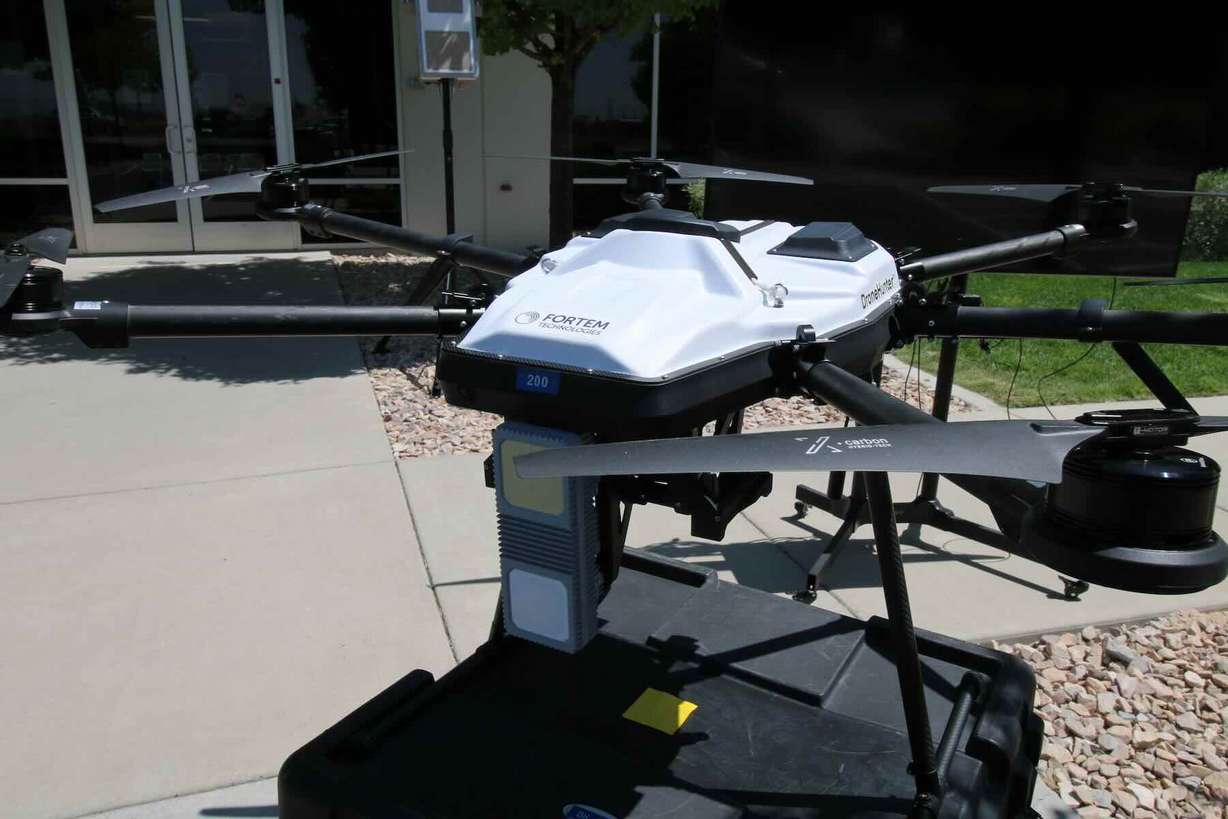
Today, a growing number of those problems are converging around aerospace, defense and other hard tech industries — fields that require significant engineering, advanced manufacturing, specialized talent and long development timelines. At the same time, advances in these industries are increasingly finding applications far beyond their original purpose.
That convergence is fueling a growing hard-tech ecosystem in Utah, where companies, researchers, universities, investors, and government leaders are developing technologies with applications across national security and the commercial economy.
The economic impact is substantial: Utah's aerospace, defense, and security industries contribute more than $53 billion to the state's gross domestic product and support nearly 478,000 jobs through direct, indirect, and induced employment.
This momentum will be on full display during Utah's inaugural Hard Tech Week, a statewide series of demonstrations, facility showcases and industry events taking place Oct. 26–30. The week will bring together companies, investors and leaders shaping the future of aerospace, defense and hard tech, anchored by the 47G Zero Gravity Summit Oct. 28–29, which connects the people, expertise and resources needed to accelerate national security innovation and deliver the capabilities America needs.
Why hard tech matters now
Hard tech refers broadly to technologies rooted in physical science and engineering — including aerospace systems, advanced materials, robotics, artificial intelligence, autonomous systems, energy technologies and advanced manufacturing. These technologies often require years of research, testing and manufacturing before they can reach the market, but their potential impact is significant.
Consider the relationship between aerospace and everyday technology. Satellite technology enables GPS navigation and weather forecasting. Advanced materials developed for demanding environments can contribute to lighter and more efficient vehicles. Technologies developed for autonomous aircraft can inform systems for transportation, logistics and emergency response.
The relationship works in both directions, too. Commercial technologies and manufacturing capabilities can help accelerate innovation in national security applications.
That is the essence of dual-use technology: An innovation developed for one purpose can ultimately serve many others.
Hard tech is not simply about building the next aircraft, rocket or defense system. It is about developing foundational technologies that can improve how people move, communicate, manufacture, navigate and respond to challenges, while creating opportunities across industries.
Utah's role in the hard-tech ecosystem
Utah has developed a strong concentration of companies and institutions working across aerospace, defense and advanced technology. The state's established industry presence, research institutions, technical training programs and specialized workforce help create an environment where innovation can move from research and development to manufacturing and real-world applications.
The workforce behind these industries extends well beyond aerospace engineers and defense contractors. Advanced manufacturing, materials science, cybersecurity, software development, robotics and data analysis all contribute to the booming ecosystem. These skills can also transfer into commercial industries, creating opportunities for workers and businesses beyond traditional aerospace and defense applications.
Maintaining that growth depends on developing the next generation of technical talent. Across Utah, institutions such as Utah State University, the University of Utah, Utah Valley University, Weber State University and Brigham Young University offer programs and hands-on research opportunities in aerospace engineering, aviation, materials science and national security.
Technical schools and community colleges, including Salt Lake Community College and Ogden-Weber Technical College, provide career-focused training in aerospace maintenance, composites manufacturing, cybersecurity and industrial automation. Together, these educational pathways help prepare skilled workers, connect students with industry opportunities and strengthen Utah's workforce to support continued innovation and economic growth.
Innovation in national security and everyday life
As the United States faces challenges ranging from supply-chain resilience and national security to energy, transportation and technological competition, developing the ability to build critical technologies domestically has become increasingly important. Meeting those challenges requires more than individual breakthroughs. It requires an ecosystem in which engineers can collaborate with manufacturers, entrepreneurs can connect with capital, researchers can work alongside industry and emerging companies can find pathways to scale.
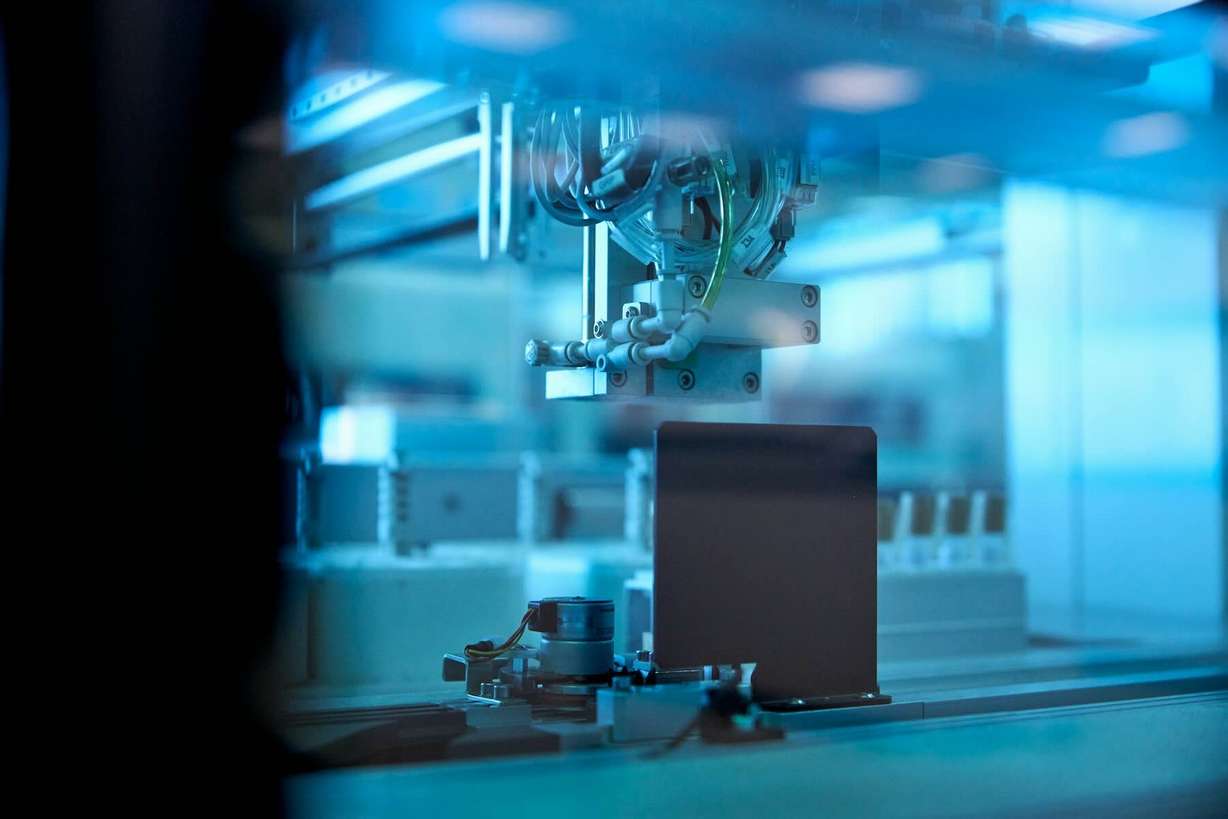
The benefits of dual-use technology extend across industries. Artificial intelligence developed to analyze complex defense data can also help businesses identify patterns and make more informed decisions, while advanced robotics can support everything from precision manufacturing to hazardous-material handling.
Cybersecurity innovations designed to protect sensitive military systems can strengthen the digital defenses of hospitals, financial institutions and energy providers.
For Utah, strengthening this ecosystem means supporting not only the companies developing critical technologies, but also the people who design, manufacture, test and bring those technologies to life.
Building what comes next Utah's first Hard Tech Week offers a window into the companies, talent and partnerships working to shape the next generation of technology — and an opportunity to see how those efforts connect to Utah's economic future.
The question behind Hard Tech Week is simple: Why now?
Because talent, technology, capital and urgency are converging. As that convergence accelerates, the technologies being developed to address some of the nation's most demanding challenges may ultimately find applications far beyond their original purpose. From the aerospace systems above to the technologies in people's pockets and the vehicles on the roads, the future of hard tech may be closer than anyone thinks. The Zero Gravity Summit, taking place Oct. 28–29, offers an opportunity to connect with the people helping shape that future. Learn more about the summit and register at zerogravitysummit.com.