Estimated read time: 5-6 minutes
Inexperienced teen drivers face significant risks on Utah roads. Phones buzz. Friends pile in. Snow and ice can roll in fast.
The Utah Highway Safety Office found that from 2020 to 2024, teens represented 9% of license holders while accounting for 21% of crashes and 28% of serious-injury crashes. The Utah Department of Transportation and Department of Public Safety note that teen fatalities rose to 31 in 2025, compared to 18 in 2024.
State laws aim to address some of the highest risks for teen drivers, but drivers and parents also need to do their part. Here are eight teen driving safety tips every young driver should learn and follow.
Buckle up, every seat, every trip
Wearing a seatbelt is a simple habit that protects drivers and passengers alike. This driving safety tip applies to all drivers, but is especially important for teens since they have higher rates of fatal crashes.
The National Highway Traffic Safety Administration reports that wearing a seatbelt reduces the risk of fatal injury for a front-seat occupant by 45%. Always buckle up before you start to drive, and make sure every passenger wears a seatbelt, as well.
Silence and stow the phone
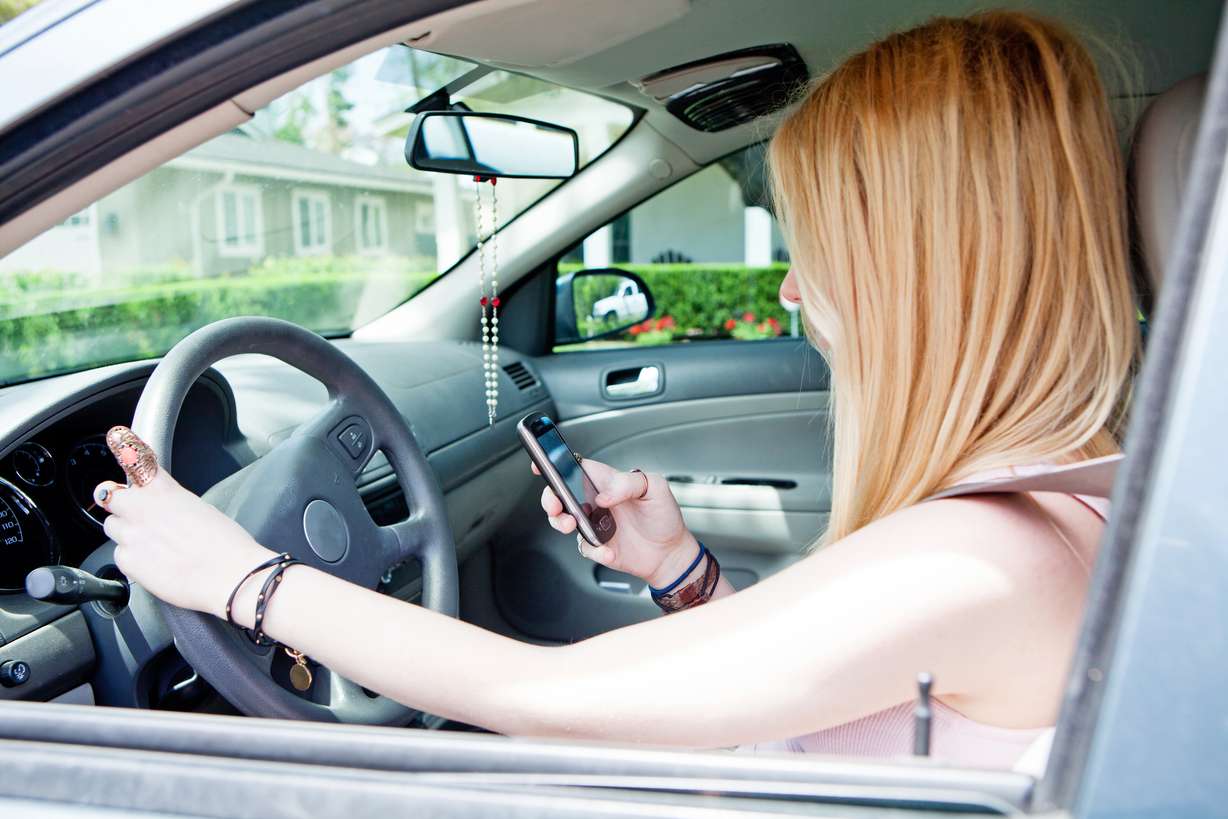
Inexperienced drivers are already at risk on the road, but when you couple that inexperience with distraction, the results often prove deadly.
The Highway Safety Administration explains that a five-second glance at a phone while traveling at highway speed can carry the car about a football field length, which is more than enough distance for a life-changing mistake. Keep the cabin calm, ask friends to help you focus, and if a message can't wait, pull into a safe lot.
Never drive under the influence of drugs or alcohol
Just as with distracted driving, driving under the influence is particularly dangerous for inexperienced drivers, like teens. Even small amounts of intoxicating substances can magnify risk for new drivers who lack experience judging closure rates and gaps.
For teens and drivers under 21, Utah's "not a drop" law applies. The DPS sets a strict zero-tolerance policy that extends to cannabis use and to some prescriptions that cause drowsiness or slow reaction time.
Friends can protect each other by never allowing any impaired person to drive a car. Always have a backup plan, such as a rideshare app or a friend or family member to rely on.
Limit the number of passengers
Keep the cabin quiet and the headcount low, especially in a young drivers first months on the road. The Centers for Disease Control and Prevention reports that the crash risk for unsupervised teen drivers increases with each additional teen or young adult passenger. With a teen behind the wheel, one more friend can mean the difference between a close call and a crash.
Findings like this are why Utah's Graduated Driver License program prohibits non-immediate-family passengers for the first six months unless a licensed driver age 21 or older rides in the front seat.
Adjust your driving to the weather
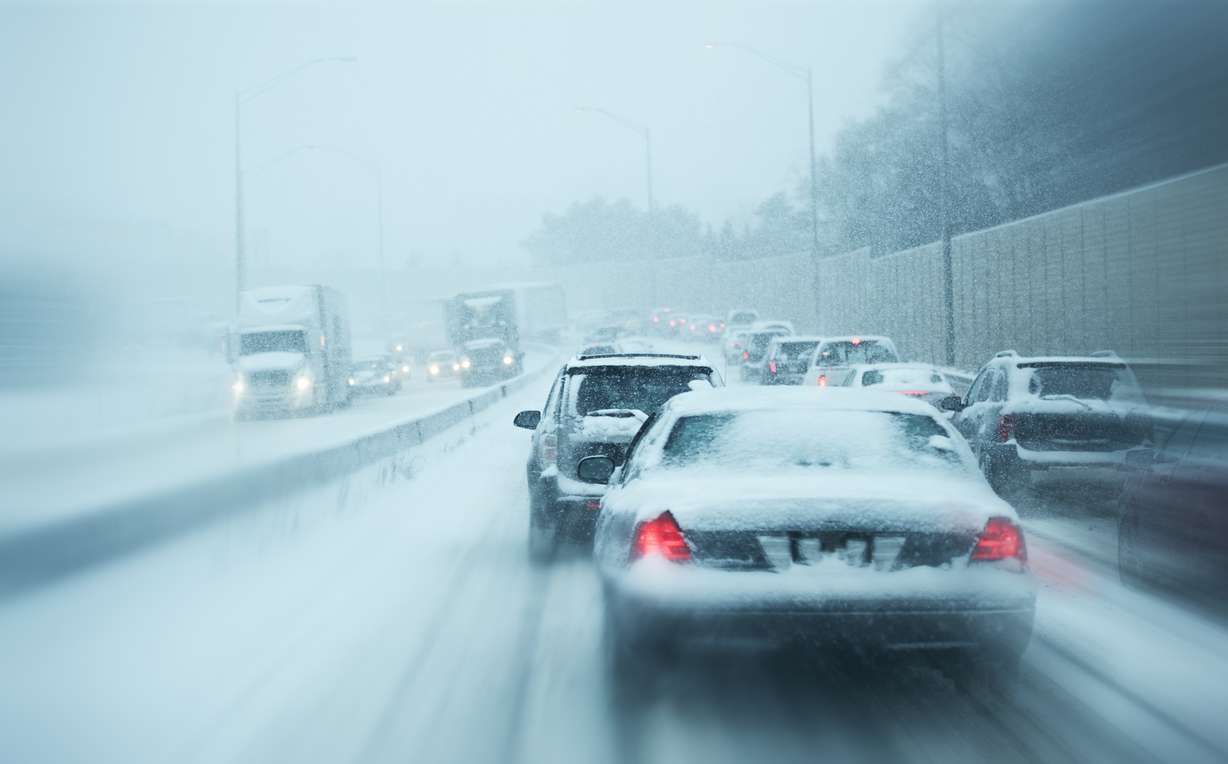
Utah's weather changes fast and can be tricky for new drivers. In the winter, snow and ice make roads slippery. Rainy days also increase the risks on the road due to slick spots and low visibility.
Always go slower in bad conditions and leave extra space to stop. Make sure your car has snow tires or chains to help you stay in control in particularly dangerous areas.
Use headlights
Good headlight habits are a must in places like Salt Lake City, where weather and lighting can change quickly. Snowstorms, rain, and Utah's winter fog can make roads harder to see. Use headlights in bad weather, even during the day, so that other drivers can see you. In fog, use low beams since high beams may reflect off the fog and make it worse.
Practice defensive driving
Defensive driving can help new drivers avoid crashes. Keeping extra space between you and other cars gives you more time to stop, which is especially important on icy or wet roads. Watch for wildlife coming out of canyons, like near Emigration or Big Cottonwood, especially at night or in the early morning.
Stay alert when driving around freeway construction zones, school zones, or crosswalk-heavy areas in neighborhoods.
Avoid night driving
Utah's Graduated Driver License program prohibits 16-year-old drivers from driving unaccompanied between midnight and 5 a.m. unless a licensed driver 21 or older is in the car, for good reason. Driving at night is harder, especially for new drivers.
It's more difficult to see pedestrians, curves, or deer and other animals, which are often active near Salt Lake's canyons and foothills. Many roads in Sandy, Draper, and other areas also have limited lighting, making it even tougher.
Avoid driving after dark whenever possible, and when you must drive at night, clean your headlights, use lower speeds, and stay extra alert.

Successful food franchises that started in Utah and a few to watch
Grab a dirty soda, order the sweet pork and throw in a cookie, because here's a look at some of the successful food franchises that got their start right here in Utah — plus a few that could be ones to watch.Siegfried & Jensen
For more than 30 years, Siegfried & Jensen has served Utah, Idaho, and Washington with a client-first approach to personal injury law. With decades of experience, the firm's team of Utah personal injury lawyers is dedicated to delivering results while providing compassionate legal representation to clients.
From car and truck accidents to wrongful death, medical malpractice, and workplace injuries, the firm has helped over 35,000 clients recover more than $1.2 billion in damages since 1990.