'%3e%3cpath%20d='M34.1406%205.85938C30.3906%202.10547%2025.3047%200%2020%200C14.6953%200%209.60938%202.10547%205.85938%205.85938C2.10938%209.61328%200%2014.6953%200%2020C0%2025.3047%202.10547%2030.3906%205.85938%2034.1406C9.61328%2037.8906%2014.6953%2040%2020%2040C25.3047%2040%2030.3906%2037.8945%2034.1406%2034.1406C37.8906%2030.3906%2040%2025.3047%2040%2020C40%2014.6953%2037.8945%209.60938%2034.1406%205.85938ZM37.0117%2023.543H31.1602V13.5391H27.6328V19.9414C28.1211%2020.6914%2028.3711%2021.582%2028.3711%2022.5625V22.625C28.3711%2023.668%2028.1172%2024.6055%2027.6328%2025.4297V26.6094H36.082C33.4883%2032.9375%2027.2891%2037.3789%2020.0039%2037.3789C10.3711%2037.3789%202.62109%2029.6289%202.62109%2020C2.62109%2010.3711%2010.3711%202.62109%2020%202.62109C29.6289%202.62109%2037.3789%2010.3711%2037.3789%2020C37.3789%2021.1484%2037.2617%2022.2656%2037.0508%2023.3477C37.0391%2023.4141%2037.0234%2023.4766%2037.0117%2023.543Z'%20fill='white'/%3e%3cpath%20d='M22.3086%2018.5352C20.4336%2018.125%2019.9531%2017.8398%2019.9766%2017.1836V17.1406C19.9766%2016.6992%2020.3477%2016.2148%2021.4023%2016.2148C22.582%2016.2148%2023.8867%2016.6797%2025.0781%2017.4766L26.8516%2015.0195C25.4453%2013.8906%2023.707%2013.3398%2021.5547%2013.3398C18.5195%2013.3398%2016.4375%2015%2016.4063%2017.4766V17.5352C16.3633%2020.2617%2018.5859%2020.9805%2021.293%2021.6016C23.0391%2021.9766%2023.5703%2022.3164%2023.5703%2022.9609L23.5469%2022.9766C23.5469%2023.3906%2023.2578%2023.7031%2022.7852%2023.8359C22.5742%2023.9062%2022.1289%2023.9727%2021.5156%2023.9727C20.7617%2023.9727%2019.7539%2023.8633%2018.6328%2023.4844C18.0898%2023.2891%2017.4727%2023.0039%2016.8047%2022.6133L20.1406%2026.625C20.2813%2026.6602%2021.0977%2026.8516%2021.7734%2026.8516C25.0039%2026.8516%2027.0859%2025.2461%2027.1094%2022.6328V22.5703C27.1602%2020.1133%2025.2148%2019.1719%2022.3086%2018.5352Z'%20fill='white'/%3e%3cpath%20d='M5.24219%2013.5664V26.6133H8.75391V23.7578L10.2969%2021.9531L14.2031%2026.6133H18.3867L12.3555%2019.5195L17.4023%2013.5664H13.4531L8.75391%2019.0586V13.5664H5.24219Z'%20fill='white'/%3e%3c/g%3e%3cdefs%3e%3cclipPath%20id='clip0_97_2430'%3e%3crect%20width='40'%20height='40'%20fill='white'/%3e%3c/clipPath%3e%3c/defs%3e%3c/svg%3e)




- Native American Day is celebrated in California and Nevada, highlighting Native cultures.
- Utah lacks a specific observance day despite having eight Sovereign Tribal Nations.
- Leaders emphasize ongoing recognition, urging inclusion of Native voices in future dialogues.
CEDAR CITY — Friday marks Native American Day in California and Nevada, and many members of the Native American population here in Utah celebrated alongside them.
"There are several observances throughout the year that recognize and uplift Native American cultures, histories, and our contributions to the present," said Shelby Chapoose, cultural resource manager for the Paiute Indian Tribe of Utah.
In 1968, California Tribal Leaders and then-Gov. Ronald Reagan declared the fourth Friday in September as "California Indian Day" to raise awareness and honor the Native American people and their heritage. It has since been changed to Native American Day, and several states throughout the country, including Wyoming, Nevada, California, Delaware, Arizona, South Dakota and Oklahoma have all dedicated a day each year to observe the native tribes in their state.
Utah, which has eight sovereign tribal nations, does not have a specific day set aside for observance, and Chapoose said that while the Southern Paiute tribe extends beyond the state, borders are not what dictates their tribe.
"Southern Paiute extends from our most northern bands, the Kanosh and Koosharem bands, down through Nevada, Arizona, and California," Chapoose said. "The connection of Southern Paiute tribes is the language, traditions, and ceremonies.
"Because of colonized methodology and Manifest Destiny, the Southern Paiute had been separated and forced into labeling to fit the government's narrative. But because state borders are not of our making, we have a constitutional connection to all Southern Paiute, regardless of these boundaries."
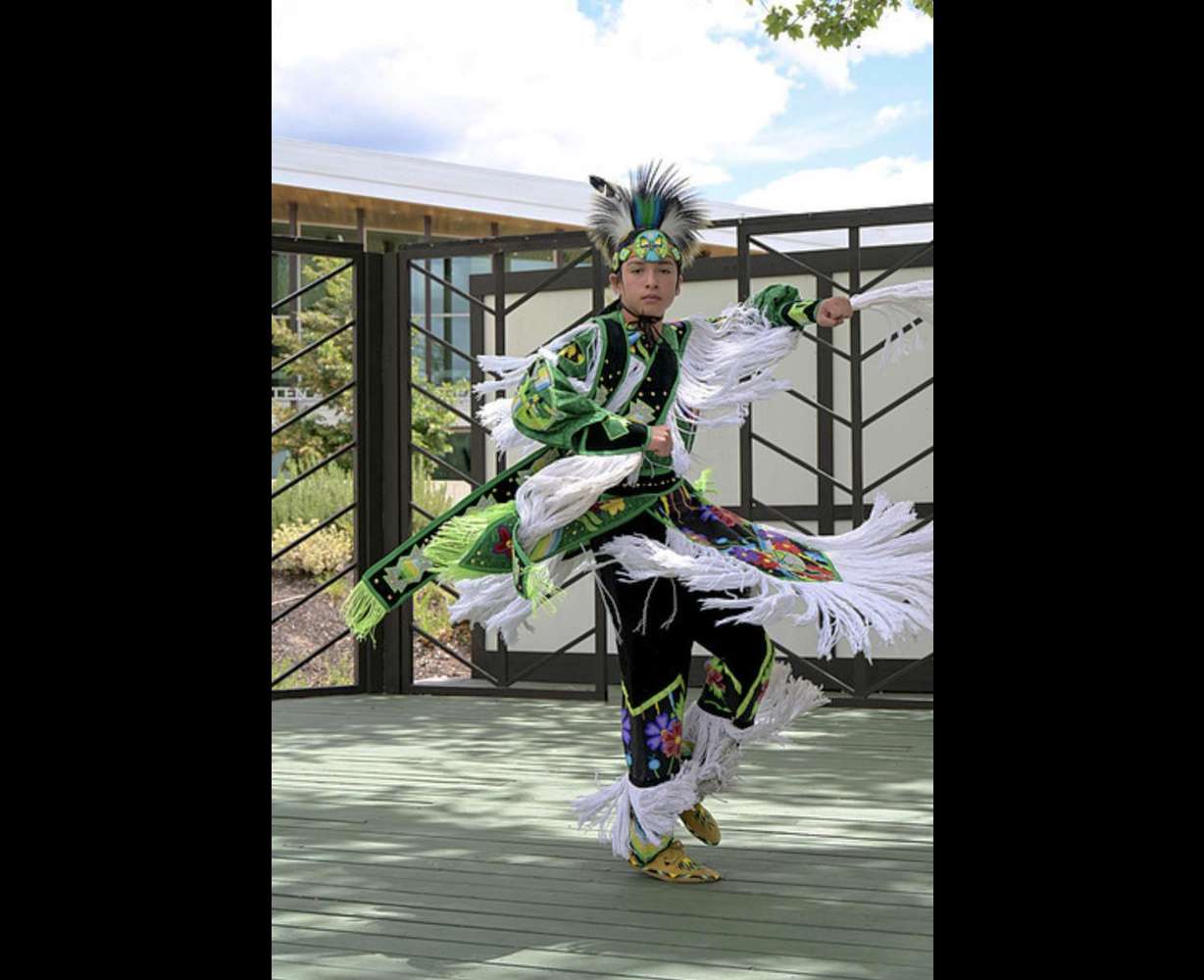
Darren Parry, former chairman of the Shoshone Nation, said that he is "grateful for any day that asks people to recognize Native people," adding that "one day on the calendar does not make up for centuries of erasure."
"Native American Day gives us an opportunity to recognize Native people specifically our cultures, our histories, our sovereignty, and especially the fact that we are still here," Parry said. "Too often Native people are spoken about in the past tense, as though we disappeared somewhere along the way. A day like this can remind people that tribal nations are living communities with voices, responsibilities and knowledge that still matter today."
Parry further explained that Indigenous People's Day (held on Oct. 12) carries a "broader message," asking for a reconsideration of history surrounding Columbus Day, acknowledging the presence of Native people and the impacts of colonization.
Forrest Cutch, who is an elder from the Ute Tribe, said he appreciates the leadership demonstrated by the Paiute Nation in all of the Southwest for "stepping forward and requesting the continued presence of the indigenous people of the Great Basin be acknowledged."
Clutch said that by acknowledging the native tribes in the state, it also gives credence to the many positive contributions the indigenous people have made and continue to make in the communities around them.
"The Ute are part of the great Shoshone Nation that occupied most of the western states," Clutch said. "We believe that our God — our creator is in all of creation and is in us as well. ... And we continue to stay connected to nature.
"I think that's why our country is struggling right now," he added. "We're not only disconnected from each other; we're disconnected from nature. We're harming nature as well as ourselves. That's why we're in the fix we're in. I think the wisdom of the indigenous people can help a lot at this difficult time in our history."
Members of the Paiute Tribe of Utah are celebrating today by remembering their longstanding place in Utah and the surrounding areas. Parry said that he hopes that Native American Day, as well as Indigenous People's Day this coming month don't become "another square on the calendar."
"Recognition is meaningful only if it leads to listening, learning and relationships," Parry said. "The best way to honor Native people is not just to remember us for a day, but to make room for Native voices in the conversations and decisions that shape the future."