'%3e%3cpath%20d='M34.1406%205.85938C30.3906%202.10547%2025.3047%200%2020%200C14.6953%200%209.60938%202.10547%205.85938%205.85938C2.10938%209.61328%200%2014.6953%200%2020C0%2025.3047%202.10547%2030.3906%205.85938%2034.1406C9.61328%2037.8906%2014.6953%2040%2020%2040C25.3047%2040%2030.3906%2037.8945%2034.1406%2034.1406C37.8906%2030.3906%2040%2025.3047%2040%2020C40%2014.6953%2037.8945%209.60938%2034.1406%205.85938ZM37.0117%2023.543H31.1602V13.5391H27.6328V19.9414C28.1211%2020.6914%2028.3711%2021.582%2028.3711%2022.5625V22.625C28.3711%2023.668%2028.1172%2024.6055%2027.6328%2025.4297V26.6094H36.082C33.4883%2032.9375%2027.2891%2037.3789%2020.0039%2037.3789C10.3711%2037.3789%202.62109%2029.6289%202.62109%2020C2.62109%2010.3711%2010.3711%202.62109%2020%202.62109C29.6289%202.62109%2037.3789%2010.3711%2037.3789%2020C37.3789%2021.1484%2037.2617%2022.2656%2037.0508%2023.3477C37.0391%2023.4141%2037.0234%2023.4766%2037.0117%2023.543Z'%20fill='white'/%3e%3cpath%20d='M22.3086%2018.5352C20.4336%2018.125%2019.9531%2017.8398%2019.9766%2017.1836V17.1406C19.9766%2016.6992%2020.3477%2016.2148%2021.4023%2016.2148C22.582%2016.2148%2023.8867%2016.6797%2025.0781%2017.4766L26.8516%2015.0195C25.4453%2013.8906%2023.707%2013.3398%2021.5547%2013.3398C18.5195%2013.3398%2016.4375%2015%2016.4063%2017.4766V17.5352C16.3633%2020.2617%2018.5859%2020.9805%2021.293%2021.6016C23.0391%2021.9766%2023.5703%2022.3164%2023.5703%2022.9609L23.5469%2022.9766C23.5469%2023.3906%2023.2578%2023.7031%2022.7852%2023.8359C22.5742%2023.9062%2022.1289%2023.9727%2021.5156%2023.9727C20.7617%2023.9727%2019.7539%2023.8633%2018.6328%2023.4844C18.0898%2023.2891%2017.4727%2023.0039%2016.8047%2022.6133L20.1406%2026.625C20.2813%2026.6602%2021.0977%2026.8516%2021.7734%2026.8516C25.0039%2026.8516%2027.0859%2025.2461%2027.1094%2022.6328V22.5703C27.1602%2020.1133%2025.2148%2019.1719%2022.3086%2018.5352Z'%20fill='white'/%3e%3cpath%20d='M5.24219%2013.5664V26.6133H8.75391V23.7578L10.2969%2021.9531L14.2031%2026.6133H18.3867L12.3555%2019.5195L17.4023%2013.5664H13.4531L8.75391%2019.0586V13.5664H5.24219Z'%20fill='white'/%3e%3c/g%3e%3cdefs%3e%3cclipPath%20id='clip0_97_2430'%3e%3crect%20width='40'%20height='40'%20fill='white'/%3e%3c/clipPath%3e%3c/defs%3e%3c/svg%3e)


- The defense concluded its case in Lindsay Clancy's murder trial Friday.
- Clancy's lawyer argues postpartum psychosis caused her to kill her children.
- Prosecutors claim Clancy planned the killings despite mental health defense claims.
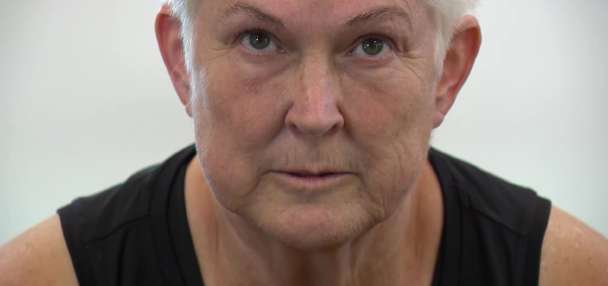
BOSTON — The defense rested its case Friday in the Lindsay Clancy murder trial after eliciting several days of testimony about her mental state before and after she strangled her three young children.
Prosecutors then began calling rebuttal witnesses in the trial, which is likely entering its final days. Closing arguments are expected next week.
Clancy, 36, has pleaded not guilty to murder charges in the deaths of her children Callan, Dawson and Cora Clancy, who ranged from 8 months to 5 years old. They were found in the basement of the family's home in coastal Duxbury, Massachusetts. Clancy jumped from a second-story window after strangling the children and remains paralyzed from the waist down.
Prosecutors argue that Clancy, a former labor and delivery nurse, planned the killings.
Clancy's lawyer, Kevin Reddington, hasn't disputed that she killed the children but says she should not be held criminally responsible because she had postpartum psychosis, a rare mental illness linked to the stress, sleep deprivation and hormonal changes that follow childbirth.
He sought to bolster that defense by having the jury hear from more of Clancy's family members, who detailed her worsening mental health and attempts to fix it through psychiatric treatment and medications before the January 2023 killings. The jury also heard from a psychologist and hospital chaplain who met with Clancy after the killings.
For his final witness on Friday, Reddington called Dr. Phillip Resnick, a forensic psychiatrist and expert in filicide, or the killing of a child by a parent.
Resnick testified that Clancy was "clearly psychotic" on the day she killed her children and was not in control of her actions.
"It was almost like she was a puppet and someone else was pulling the strings," said Resnick, who testified for the defense in the 2006 trial of Andrea Yates, the Texas mother who drowned her five children in 2001.
Resnick said he spent hours interviewing Clancy four months after the killings and believed she tended to minimize rather than exaggerate her symptoms. He said she suffered from severe depression, showed evidence consistent with bipolar disorder and reported hearing a voice commanding her to kill her children.
Resnick described several categories of filicide, including killings involving abuse. Others involve psychosis or what he calls "altruistic" filicide — a killing committed "out of love rather than hostility." He said he found Clancy's case involved both of the latter categories, but he didn't find evidence of abuse.
Resnick said Clancy had a delusional belief that if social services took the children or if she killed herself, her children would suffer without her, and believed that they would be better off dying with her and going to heaven.
"She believed that she was doing what was right for her children," he said.
On cross-examination, prosecutor Jennifer Sprague challenged that characterization.
"So it's better to kill them than have them taken away?" Sprague asked.
The judge struck the question.
Prosecutors argue that Clancy contrived to get her husband out of the house the day of the killings. They have attempted to show that while she was getting treatment for anxiety, insomnia and depression, she wasn't suffering from psychosis.
Suicide prevention resources
If you or someone you know is struggling with thoughts of suicide, call 988 to connect with the 988 Suicide and Crisis Lifeline.
Crisis hotlines
- Huntsman Mental Health Institute Crisis Line: 801-587-3000
- SafeUT Crisis Line: 833-372-3388
- 988 Suicide and Crisis LifeLine at 988
- Trevor Project Hotline for LGBTQ teens: 1-866-488-7386
Online resources
- NAMI Utah: namiut.org
- SafeUT: safeut.org
- SafeUTFrontline: SafeUT Frontline.org
- SafeUTNG: SafeUTNG.org
- Suicide and Crisis Lifeline: 988lifeline.org
- American Foundation for Suicide Prevention, Utah chapter: afsp.org/chapter/utah
- Encircle Utah.org LGBTQ+ family and youth resource center.
- Utah Pride Center.org empowers Utah's diverse LGBTQ+ community.
- U.S. Department of Veterans Affairs Mental Health suicide prevention
- target="_blank">Centers for Workplace Mental Health offers suicide prevention and response for employers.
Warning signs of suicide
- Talking about wanting to die
- Looking for a way to kill oneself
- Talking about feeling hopeless or having no purpose
- Talking about feeling trapped or in unbearable pain
- Talking about being a burden to others
- Increasing the use of alcohol or drugs
- Acting anxious, agitated or recklessly
- Sleeping too little or too much
- Withdrawing or feeling isolated
- Showing rage or talking about seeking revenge
- Displaying extreme mood swings
The more of these signs a person shows, the greater the risk. Warning signs are associated with suicide but may not be what causes a suicide.
Information from the American Foundation for Suicide Prevention.
What to do if you see warning signs of suicide
- Do not leave the person alone
- Remove any firearms, alcohol, drugs or sharp objects that could be used in a suicide attempt
- Call the U.S. National Suicide Prevention Lifeline at 800-273-TALK (8255)
- Take the person to an emergency room or seek help from a medical or mental health professional
Information from the American Foundation for Suicide Prevention.