'%3e%3cpath%20d='M34.1406%205.85938C30.3906%202.10547%2025.3047%200%2020%200C14.6953%200%209.60938%202.10547%205.85938%205.85938C2.10938%209.61328%200%2014.6953%200%2020C0%2025.3047%202.10547%2030.3906%205.85938%2034.1406C9.61328%2037.8906%2014.6953%2040%2020%2040C25.3047%2040%2030.3906%2037.8945%2034.1406%2034.1406C37.8906%2030.3906%2040%2025.3047%2040%2020C40%2014.6953%2037.8945%209.60938%2034.1406%205.85938ZM37.0117%2023.543H31.1602V13.5391H27.6328V19.9414C28.1211%2020.6914%2028.3711%2021.582%2028.3711%2022.5625V22.625C28.3711%2023.668%2028.1172%2024.6055%2027.6328%2025.4297V26.6094H36.082C33.4883%2032.9375%2027.2891%2037.3789%2020.0039%2037.3789C10.3711%2037.3789%202.62109%2029.6289%202.62109%2020C2.62109%2010.3711%2010.3711%202.62109%2020%202.62109C29.6289%202.62109%2037.3789%2010.3711%2037.3789%2020C37.3789%2021.1484%2037.2617%2022.2656%2037.0508%2023.3477C37.0391%2023.4141%2037.0234%2023.4766%2037.0117%2023.543Z'%20fill='white'/%3e%3cpath%20d='M22.3086%2018.5352C20.4336%2018.125%2019.9531%2017.8398%2019.9766%2017.1836V17.1406C19.9766%2016.6992%2020.3477%2016.2148%2021.4023%2016.2148C22.582%2016.2148%2023.8867%2016.6797%2025.0781%2017.4766L26.8516%2015.0195C25.4453%2013.8906%2023.707%2013.3398%2021.5547%2013.3398C18.5195%2013.3398%2016.4375%2015%2016.4063%2017.4766V17.5352C16.3633%2020.2617%2018.5859%2020.9805%2021.293%2021.6016C23.0391%2021.9766%2023.5703%2022.3164%2023.5703%2022.9609L23.5469%2022.9766C23.5469%2023.3906%2023.2578%2023.7031%2022.7852%2023.8359C22.5742%2023.9062%2022.1289%2023.9727%2021.5156%2023.9727C20.7617%2023.9727%2019.7539%2023.8633%2018.6328%2023.4844C18.0898%2023.2891%2017.4727%2023.0039%2016.8047%2022.6133L20.1406%2026.625C20.2813%2026.6602%2021.0977%2026.8516%2021.7734%2026.8516C25.0039%2026.8516%2027.0859%2025.2461%2027.1094%2022.6328V22.5703C27.1602%2020.1133%2025.2148%2019.1719%2022.3086%2018.5352Z'%20fill='white'/%3e%3cpath%20d='M5.24219%2013.5664V26.6133H8.75391V23.7578L10.2969%2021.9531L14.2031%2026.6133H18.3867L12.3555%2019.5195L17.4023%2013.5664H13.4531L8.75391%2019.0586V13.5664H5.24219Z'%20fill='white'/%3e%3c/g%3e%3cdefs%3e%3cclipPath%20id='clip0_97_2430'%3e%3crect%20width='40'%20height='40'%20fill='white'/%3e%3c/clipPath%3e%3c/defs%3e%3c/svg%3e)




Estimated read time: 2-3 minutes
This archived news story is available only for your personal, non-commercial use. Information in the story may be outdated or superseded by additional information. Reading or replaying the story in its archived form does not constitute a republication of the story.
SALT LAKE CITY — If you've got your eye on traveling overseas this summer — say a bucket-list trip to Italy or a long-awaited pilgrimage to Paris (the one in France, not Idaho) — you probably have already budgeted for flights, lodging, sightseeing and food. But you’ll want to make sure your budget includes foreign transaction fees. Those are the fees tacked on when you swipe or tap your credit or debit card in a foreign country. They’re used to cover the costs of converting euros, pesos, even Canadian dollars and other currencies into U.S. dollars. The average foreign transaction fee? 3%. “That's going to add up pretty quickly,” warns Chip Lupo, an analyst with the personal finance website, WalletHub.
A fee mystery
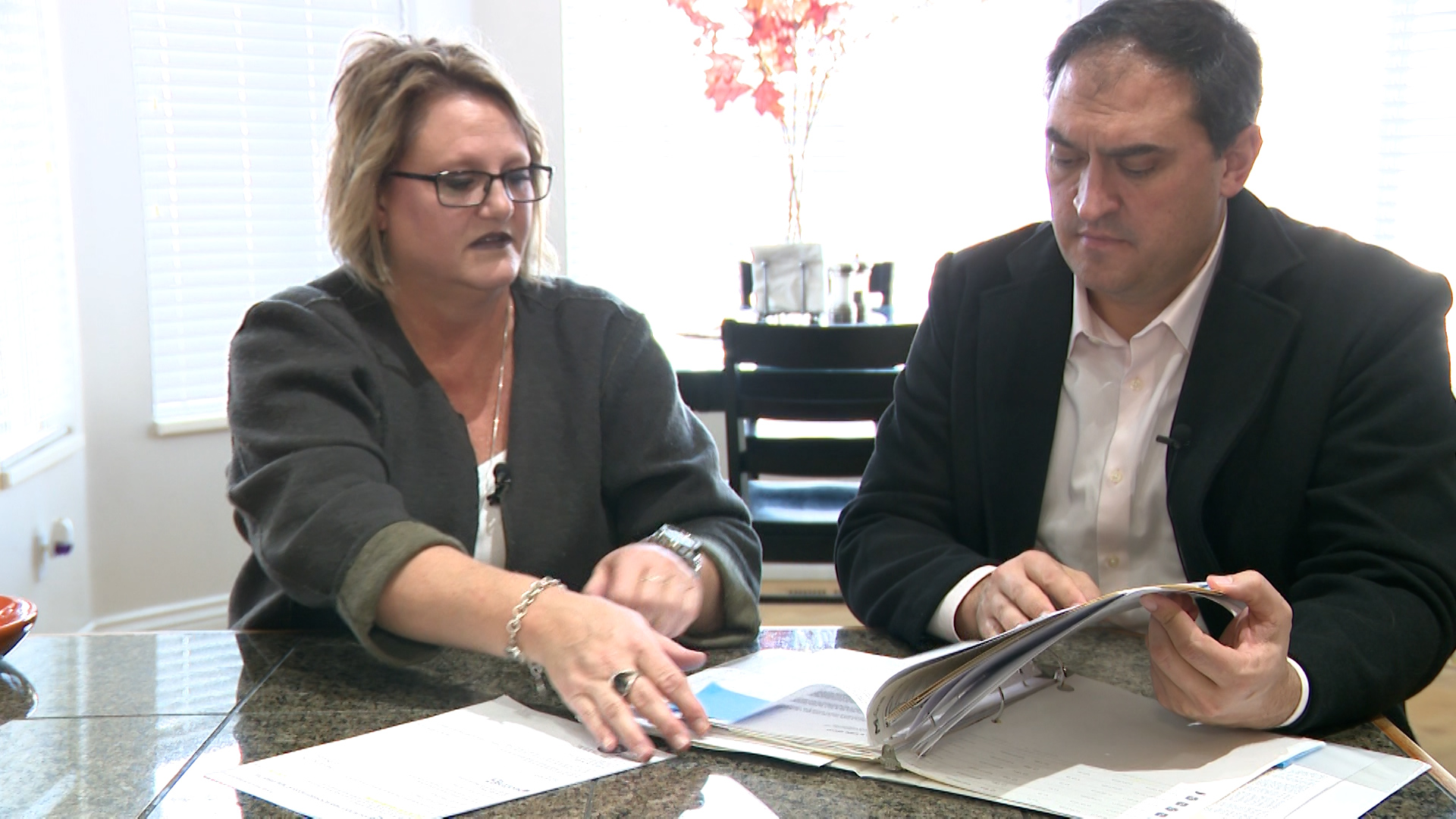
A recent WalletHub study found foreign transaction fees are a bit of an enigma to Americans. Nearly one in three people surveyed said they don’t know whether their credit card has a foreign transaction fee. Only 12% said they understand when foreign transaction fees apply. For example, many do not realize you can be slapped with a foreign transaction fee from the comfort of your own couch. Lupo said it happened to his wife when she downloaded a video that originated in Spain. “It was like a $4.99 video, but it had like a little 3% — it had a few cents — when the credit card statement came in,” Lupo said. “They had a foreign transaction fee on it.” But it’s not the only transaction fee to watch out for. There's another one called “dynamic currency conversion.” And it’s a fee I’ve experienced personally while paying for stuff at a store in Mexico. The cashier asked if I wanted to pay in pesos or in U.S. dollars. I answered dollars, thinking it would save me the trouble of doing math. But my answer cost me because that store jacked up the exchange rate on me. “It could be 7% more than the currency rate,” said Lupo. “And what they do is then they'll pocket the difference.”Even paying in U.S. dollars won’t necessarily save you from foreign transaction fees. Some credit cards and banks base those fees on where the transaction took place — not the currency used.
Avoiding overseas fees
So now that you know about foreign transaction fees, here’s how you can avoid them. Use a credit card that doesn’t charge foreign transaction fees. There are also debit cards that don’t charge foreign transaction fees. And whether you’re at a hotel, restaurant, store or even at an ATM — always choose the local currency for your transaction.