'%3e%3cpath%20d='M34.1406%205.85938C30.3906%202.10547%2025.3047%200%2020%200C14.6953%200%209.60938%202.10547%205.85938%205.85938C2.10938%209.61328%200%2014.6953%200%2020C0%2025.3047%202.10547%2030.3906%205.85938%2034.1406C9.61328%2037.8906%2014.6953%2040%2020%2040C25.3047%2040%2030.3906%2037.8945%2034.1406%2034.1406C37.8906%2030.3906%2040%2025.3047%2040%2020C40%2014.6953%2037.8945%209.60938%2034.1406%205.85938ZM37.0117%2023.543H31.1602V13.5391H27.6328V19.9414C28.1211%2020.6914%2028.3711%2021.582%2028.3711%2022.5625V22.625C28.3711%2023.668%2028.1172%2024.6055%2027.6328%2025.4297V26.6094H36.082C33.4883%2032.9375%2027.2891%2037.3789%2020.0039%2037.3789C10.3711%2037.3789%202.62109%2029.6289%202.62109%2020C2.62109%2010.3711%2010.3711%202.62109%2020%202.62109C29.6289%202.62109%2037.3789%2010.3711%2037.3789%2020C37.3789%2021.1484%2037.2617%2022.2656%2037.0508%2023.3477C37.0391%2023.4141%2037.0234%2023.4766%2037.0117%2023.543Z'%20fill='white'/%3e%3cpath%20d='M22.3086%2018.5352C20.4336%2018.125%2019.9531%2017.8398%2019.9766%2017.1836V17.1406C19.9766%2016.6992%2020.3477%2016.2148%2021.4023%2016.2148C22.582%2016.2148%2023.8867%2016.6797%2025.0781%2017.4766L26.8516%2015.0195C25.4453%2013.8906%2023.707%2013.3398%2021.5547%2013.3398C18.5195%2013.3398%2016.4375%2015%2016.4063%2017.4766V17.5352C16.3633%2020.2617%2018.5859%2020.9805%2021.293%2021.6016C23.0391%2021.9766%2023.5703%2022.3164%2023.5703%2022.9609L23.5469%2022.9766C23.5469%2023.3906%2023.2578%2023.7031%2022.7852%2023.8359C22.5742%2023.9062%2022.1289%2023.9727%2021.5156%2023.9727C20.7617%2023.9727%2019.7539%2023.8633%2018.6328%2023.4844C18.0898%2023.2891%2017.4727%2023.0039%2016.8047%2022.6133L20.1406%2026.625C20.2813%2026.6602%2021.0977%2026.8516%2021.7734%2026.8516C25.0039%2026.8516%2027.0859%2025.2461%2027.1094%2022.6328V22.5703C27.1602%2020.1133%2025.2148%2019.1719%2022.3086%2018.5352Z'%20fill='white'/%3e%3cpath%20d='M5.24219%2013.5664V26.6133H8.75391V23.7578L10.2969%2021.9531L14.2031%2026.6133H18.3867L12.3555%2019.5195L17.4023%2013.5664H13.4531L8.75391%2019.0586V13.5664H5.24219Z'%20fill='white'/%3e%3c/g%3e%3cdefs%3e%3cclipPath%20id='clip0_97_2430'%3e%3crect%20width='40'%20height='40'%20fill='white'/%3e%3c/clipPath%3e%3c/defs%3e%3c/svg%3e)


Estimated read time: 3-4 minutes
Of all the places in your home, your floor probably takes the biggest beating. Constant foot traffic, spills, scratches, scuffs — these add up over the years. And though you may try to cover up the imperfections with a rug or a table, there's no escaping it. You'll have to replace it at some point.
According to familyhandyman.com, LVP warranties usually expire at 5-25 years.
If you've already jumped on the vinyl plank flooring bandwagon long ago and are wondering whether or not it's time to replace it, here are a few tell-tale signs that will give you the answer.
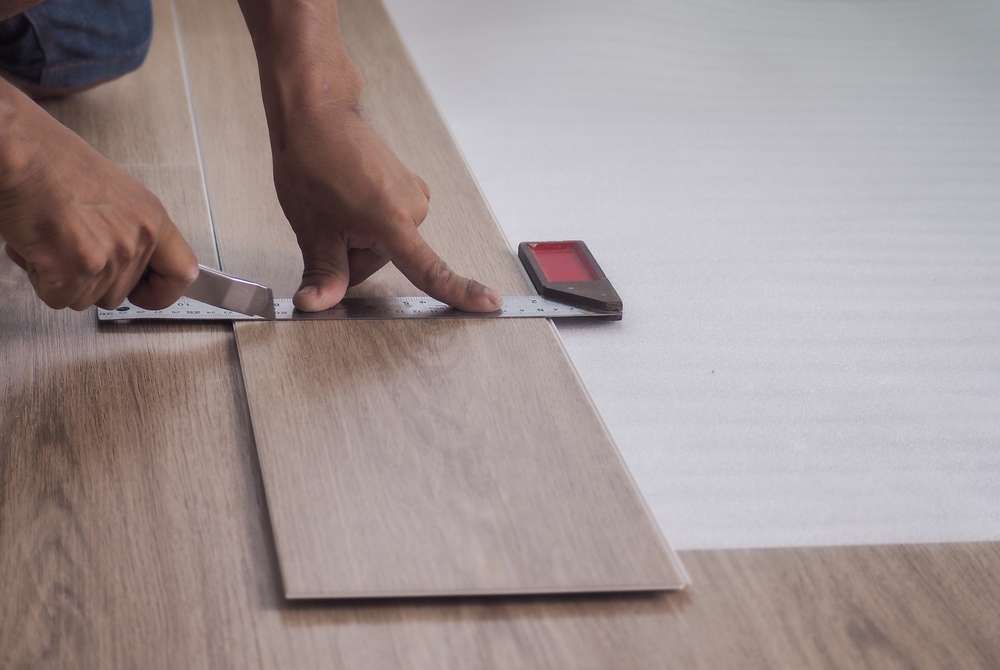
An uneven surface
Next to visible imperfections, you can tell a lot about your flooring by the way it feels when you walk over it. Uneven flooring can signal an underlying problem, and one of the biggest issues is water damage.
Should water seep into the cracks of your flooring over time, it won't be long before you'll notice bulging or separation between planks.
Discoloration
Aside from an uneven surface, discoloration can be another sign that you've got water damage underneath your LVP.
"Water displaces and deposits minerals and salts in wood, so when it evaporates, these minerals show up as stains, light patches, and dark patches on the wood surface," says Rachel Hoffman, contributing writer for angi.com. "You may see rings, lines, speckling, and all-over fading or darkening, depending on the type of wood, amount of water, quantity of minerals and salts present, and how quickly the water evaporates.
Discoloration may also be an effect of sun damage from a nearby window, but it's also worth replacing if it becomes too much of an eyesore.
Mold and mildew
Unfortunately, there's yet another sign that you've got that dreaded water damage lurking underneath your LVP. In addition to your sense of sight and touch, your nose can give you a clue if something is wrong.
"Since vinyl flooring is water-resistant, it will prevent water underneath from evaporating quickly," says Hoffman. "This traps moisture under the flooring and against the subfloor for long periods of time, which can cause mold and mildew to grow. You may see visible signs of mold and mildew, or you may smell a musty odor coming from the floor."
Slippery floors
Floors that have worn down over the years and have become more slippery can pose a health hazard — particularly if elderly people are living in your home. A simple, safer solution would be to replace the slick plank with something that has a textured surface.
You don't like it
Perhaps the most obvious reason why you'd want to replace your LVP flooring is if you've grown tired of the style or color and just want something different. It might even make you a happier person! As it turns out, the flooring in each room can have a psychological impact on your mood.
In an article for LinkedIn, the Flooring Depot of Panama City explained that "[l]ight colors tend to make a room feel spacious, clean and airy while dark colors create a warm and cozy feel."
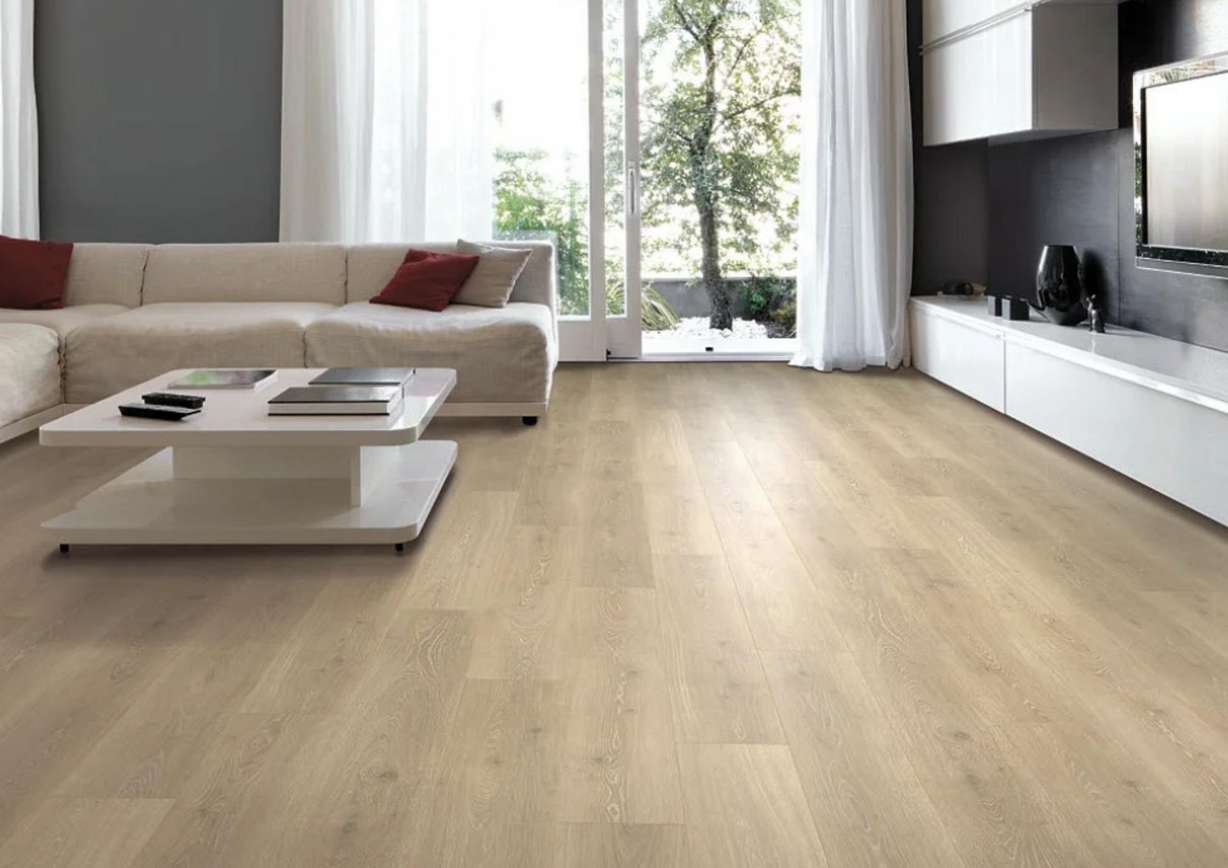
Giant Carpet One has several options
The good news is that even if your LVP flooring needs to be replaced, it should last a long time once you get it installed.
According to the flooring experts at Giant Carpet One, "Luxury vinyl floors, one of the best flooring products available today, provide a versatile, durable flooring option that is water resistant and easy to maintain."
These styles can mimic materials, such as hardwood, stone and tile, and there are several options and colors to choose from. Find your perfect flooring match at giantcarpetone.com.