'%3e%3cpath%20d='M34.1406%205.85938C30.3906%202.10547%2025.3047%200%2020%200C14.6953%200%209.60938%202.10547%205.85938%205.85938C2.10938%209.61328%200%2014.6953%200%2020C0%2025.3047%202.10547%2030.3906%205.85938%2034.1406C9.61328%2037.8906%2014.6953%2040%2020%2040C25.3047%2040%2030.3906%2037.8945%2034.1406%2034.1406C37.8906%2030.3906%2040%2025.3047%2040%2020C40%2014.6953%2037.8945%209.60938%2034.1406%205.85938ZM37.0117%2023.543H31.1602V13.5391H27.6328V19.9414C28.1211%2020.6914%2028.3711%2021.582%2028.3711%2022.5625V22.625C28.3711%2023.668%2028.1172%2024.6055%2027.6328%2025.4297V26.6094H36.082C33.4883%2032.9375%2027.2891%2037.3789%2020.0039%2037.3789C10.3711%2037.3789%202.62109%2029.6289%202.62109%2020C2.62109%2010.3711%2010.3711%202.62109%2020%202.62109C29.6289%202.62109%2037.3789%2010.3711%2037.3789%2020C37.3789%2021.1484%2037.2617%2022.2656%2037.0508%2023.3477C37.0391%2023.4141%2037.0234%2023.4766%2037.0117%2023.543Z'%20fill='white'/%3e%3cpath%20d='M22.3086%2018.5352C20.4336%2018.125%2019.9531%2017.8398%2019.9766%2017.1836V17.1406C19.9766%2016.6992%2020.3477%2016.2148%2021.4023%2016.2148C22.582%2016.2148%2023.8867%2016.6797%2025.0781%2017.4766L26.8516%2015.0195C25.4453%2013.8906%2023.707%2013.3398%2021.5547%2013.3398C18.5195%2013.3398%2016.4375%2015%2016.4063%2017.4766V17.5352C16.3633%2020.2617%2018.5859%2020.9805%2021.293%2021.6016C23.0391%2021.9766%2023.5703%2022.3164%2023.5703%2022.9609L23.5469%2022.9766C23.5469%2023.3906%2023.2578%2023.7031%2022.7852%2023.8359C22.5742%2023.9062%2022.1289%2023.9727%2021.5156%2023.9727C20.7617%2023.9727%2019.7539%2023.8633%2018.6328%2023.4844C18.0898%2023.2891%2017.4727%2023.0039%2016.8047%2022.6133L20.1406%2026.625C20.2813%2026.6602%2021.0977%2026.8516%2021.7734%2026.8516C25.0039%2026.8516%2027.0859%2025.2461%2027.1094%2022.6328V22.5703C27.1602%2020.1133%2025.2148%2019.1719%2022.3086%2018.5352Z'%20fill='white'/%3e%3cpath%20d='M5.24219%2013.5664V26.6133H8.75391V23.7578L10.2969%2021.9531L14.2031%2026.6133H18.3867L12.3555%2019.5195L17.4023%2013.5664H13.4531L8.75391%2019.0586V13.5664H5.24219Z'%20fill='white'/%3e%3c/g%3e%3cdefs%3e%3cclipPath%20id='clip0_97_2430'%3e%3crect%20width='40'%20height='40'%20fill='white'/%3e%3c/clipPath%3e%3c/defs%3e%3c/svg%3e)


Estimated read time: 3-4 minutes
There was a time when dinner came at the same time every evening.
On the farm, the day's work paused when the meal was ready. Everyone washed up, hats came off and, unless you had a very good reason, you showed up.
Not because dinner was fancy, or because the table looked perfect. Mealtime was where the family came back together. Stories from the day were shared, plans for tomorrow were made and small worries had a place to land. Everyone was reminded they belonged to each other.
Times have changed, of course. Today's families are navigating homework, practices, work schedules, screens, carpools and activities that often stretch well into the evening.
Still, eating together is one old-fashioned habit worth protecting.
Research continues to show that family meals provide benefits far beyond what is served on the plate. Comprehensive research published in Nutrients reviewed decades of studies on family meals and found a clear pattern: children and adolescents who share more frequent family meals tend to have healthier diets, better mental health, fewer risk behaviors, and stronger academic outcomes.
Why family meals matter
Regular meals together can help families:
- Give children and teens a place to talk and be heard.
- Build traditions that create a sense of belonging.
- Encourage healthier eating habits.
- Make room for laughter, stories and small everyday check-ins.
The meal does not have to be elaborate. Some nights, it might be eggs and toast. Other nights, it could be breakfast burritos, fried rice, omelets or leftovers with a farm-fresh egg on top.
What matters most is not a perfect menu. It is the act of gathering.
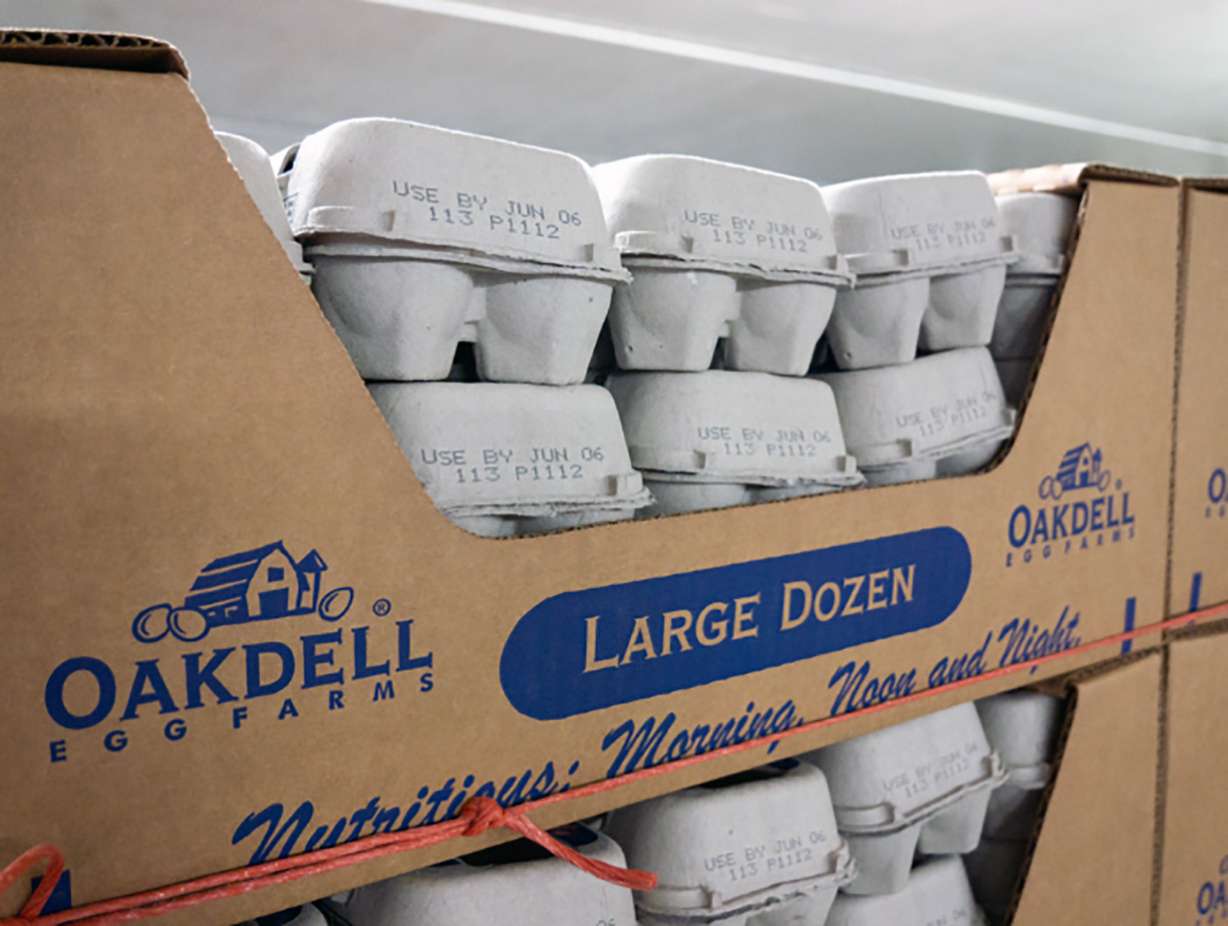
"Some of the most meaningful family moments happen around simple meals," said Russell Woodward, third generation farmer at Oakdell Egg Farms."Back-to-school season can be hectic, but sitting down together, even for a quick dinner, gives families a chance to reconnect. Eggs make that easier because they are nutritious, affordable and simple to turn into a meal everyone can enjoy."
How to bring family dinner back
For families trying to rebuild the routine, start small.
- Pick one protected meal each week. Choose a night that is realistic and put it on the calendar.
- Make it predictable. Try Taco Tuesday, Sunday breakfast-for-dinner or Friday omelet night.
- Let kids help. Younger children can set the table. Older kids and teens can choose recipes, crack eggs, chop vegetables or cook with supervision.
- Invite friends occasionally. For teens especially, allowing a friend at the table can make family dinner feel more welcoming and less forced.
- Put phones away. Even 30 minutes without screens can create space for conversation.
- Keep the food simple. A good family meal does not need to be complicated to be meaningful.
As families head back to school, the goal is not perfection. It is presence.
Family dinner will look different than it did generations ago. The table may be smaller, the schedule may be busier, and the meal may come together in 15 minutes.
But the heart of the tradition is still the same.
Wash up. Sit down. Pass the food. Tell the story.
For simple breakfast-for-dinner ideas, visit Oakdell.com.