'%3e%3cpath%20d='M34.1406%205.85938C30.3906%202.10547%2025.3047%200%2020%200C14.6953%200%209.60938%202.10547%205.85938%205.85938C2.10938%209.61328%200%2014.6953%200%2020C0%2025.3047%202.10547%2030.3906%205.85938%2034.1406C9.61328%2037.8906%2014.6953%2040%2020%2040C25.3047%2040%2030.3906%2037.8945%2034.1406%2034.1406C37.8906%2030.3906%2040%2025.3047%2040%2020C40%2014.6953%2037.8945%209.60938%2034.1406%205.85938ZM37.0117%2023.543H31.1602V13.5391H27.6328V19.9414C28.1211%2020.6914%2028.3711%2021.582%2028.3711%2022.5625V22.625C28.3711%2023.668%2028.1172%2024.6055%2027.6328%2025.4297V26.6094H36.082C33.4883%2032.9375%2027.2891%2037.3789%2020.0039%2037.3789C10.3711%2037.3789%202.62109%2029.6289%202.62109%2020C2.62109%2010.3711%2010.3711%202.62109%2020%202.62109C29.6289%202.62109%2037.3789%2010.3711%2037.3789%2020C37.3789%2021.1484%2037.2617%2022.2656%2037.0508%2023.3477C37.0391%2023.4141%2037.0234%2023.4766%2037.0117%2023.543Z'%20fill='white'/%3e%3cpath%20d='M22.3086%2018.5352C20.4336%2018.125%2019.9531%2017.8398%2019.9766%2017.1836V17.1406C19.9766%2016.6992%2020.3477%2016.2148%2021.4023%2016.2148C22.582%2016.2148%2023.8867%2016.6797%2025.0781%2017.4766L26.8516%2015.0195C25.4453%2013.8906%2023.707%2013.3398%2021.5547%2013.3398C18.5195%2013.3398%2016.4375%2015%2016.4063%2017.4766V17.5352C16.3633%2020.2617%2018.5859%2020.9805%2021.293%2021.6016C23.0391%2021.9766%2023.5703%2022.3164%2023.5703%2022.9609L23.5469%2022.9766C23.5469%2023.3906%2023.2578%2023.7031%2022.7852%2023.8359C22.5742%2023.9062%2022.1289%2023.9727%2021.5156%2023.9727C20.7617%2023.9727%2019.7539%2023.8633%2018.6328%2023.4844C18.0898%2023.2891%2017.4727%2023.0039%2016.8047%2022.6133L20.1406%2026.625C20.2813%2026.6602%2021.0977%2026.8516%2021.7734%2026.8516C25.0039%2026.8516%2027.0859%2025.2461%2027.1094%2022.6328V22.5703C27.1602%2020.1133%2025.2148%2019.1719%2022.3086%2018.5352Z'%20fill='white'/%3e%3cpath%20d='M5.24219%2013.5664V26.6133H8.75391V23.7578L10.2969%2021.9531L14.2031%2026.6133H18.3867L12.3555%2019.5195L17.4023%2013.5664H13.4531L8.75391%2019.0586V13.5664H5.24219Z'%20fill='white'/%3e%3c/g%3e%3cdefs%3e%3cclipPath%20id='clip0_97_2430'%3e%3crect%20width='40'%20height='40'%20fill='white'/%3e%3c/clipPath%3e%3c/defs%3e%3c/svg%3e)


Estimated read time: 4-5 minutes
In 2026, remote and hybrid work aren't going anywhere.
In fact, Gallup reports that hybrid is the dominant model in the workplace today.
That's why home offices are taking on a much more important role, making homeowners invest more time and money into creating productive and comfortable spaces.
And while ergonomic chairs, adjustable desks and upgraded technology often receive the most attention, lighting often remains one of the most overlooked elements of an effective workspace.
But lighting is more important than you might think; poor lighting can contribute to eye strain, headaches, fatigue and reduced concentration, making even simple tasks feel more difficult than they need to be. By understanding common lighting mistakes and how to correct them, you can create workspaces that are both more comfortable and more productive.
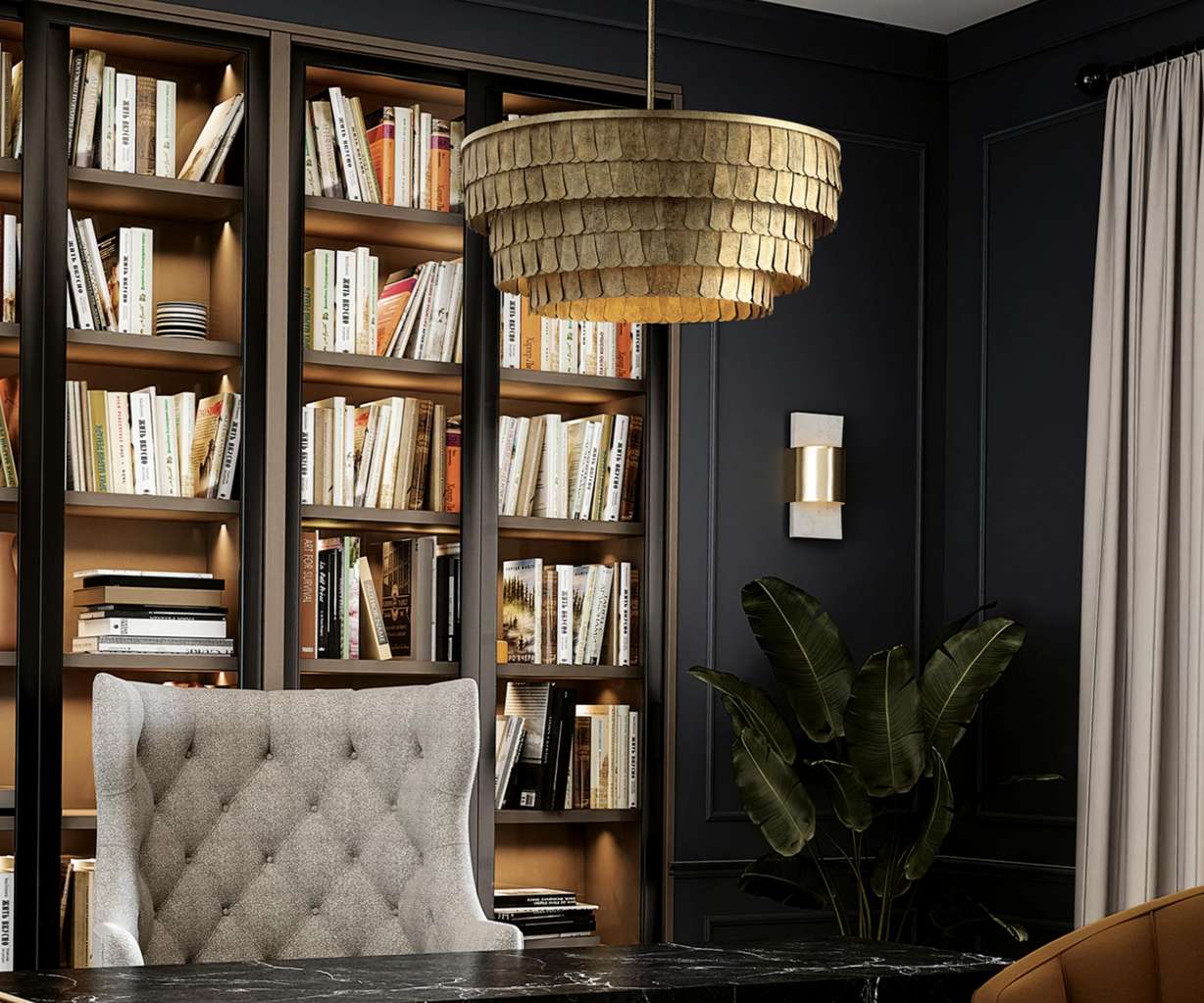
Relying on a single light source
Many home offices depend on one overhead fixture or a single desk lamp to illuminate the entire room. While this might provide enough light to see, it rarely creates an environment that's comfortable for long hours of focused work.
Additionally, a single light source often produces uneven illumination, leaving portions of the room too dark while creating harsh brightness in others. These contrasts force the eyes to work harder throughout the day.
Instead, try layering multiple light sources throughout the space. Combining ceiling lighting, task lighting and accent lighting creates balanced illumination that minimizes shadows and helps reduce eye fatigue.
Ignoring the three layers of lighting
One of the most common interior design mistakes is overlooking the three essential layers of lighting:
- Ambient lighting provides overall illumination for the room.
- Task lighting delivers focused light for reading, writing and computer work.
- Accent lighting adds depth and visual comfort by highlighting architectural details or decorative features.
When one of these layers is missing, a workspace can feel either too dim, overly bright or visually flat. Together, these elements create a comfortable environment that supports productivity while making the office feel more inviting.
Placing lighting in the wrong location
Even quality light fixtures can perform poorly if they are positioned incorrectly.
Desk lamps placed directly behind a computer monitor may create glare on the screen, while fixtures positioned directly in front of someone can shine harshly into the eyes. Likewise, overhead lights installed directly above a workstation may cast unwanted shadows across the desk surface.
Whenever possible, natural light should also be considered. Positioning a desk perpendicular to windows often reduces glare while still allowing daylight to brighten the room.
Thoughtful fixture placement creates more consistent illumination while reducing visual distractions throughout the workday.
Choosing style over function
Decorative fixtures can add personality to a home office, but appearance should never come at the expense of performance.
A beautiful pendant light that produces minimal illumination or a trendy lamp with excessive glare may ultimately make the workspace less functional.
Instead, look for fixtures that combine attractive design with practical performance. Adjustable task lamps, dimmable ceiling fixtures and well-designed wall sconces can provide flexibility while complementing nearly any interior style.
Lighting that performs well and looks great is possible – and allows homeowners to create offices that are both productive and visually appealing.
Not adjusting lighting throughout the day
Lighting needs often change from morning to evening.
Bright illumination may help improve focus during daytime work hours, while softer lighting later in the afternoon can reduce eye strain and create a more comfortable atmosphere for extended computer use.
Dimmers, adjustable fixtures and multiple lighting zones can help you customize your workspace throughout the day without sacrificing visibility or comfort.
Flexible lighting solutions also make home offices more adaptable for activities beyond work, including reading, paying bills or video conferencing.
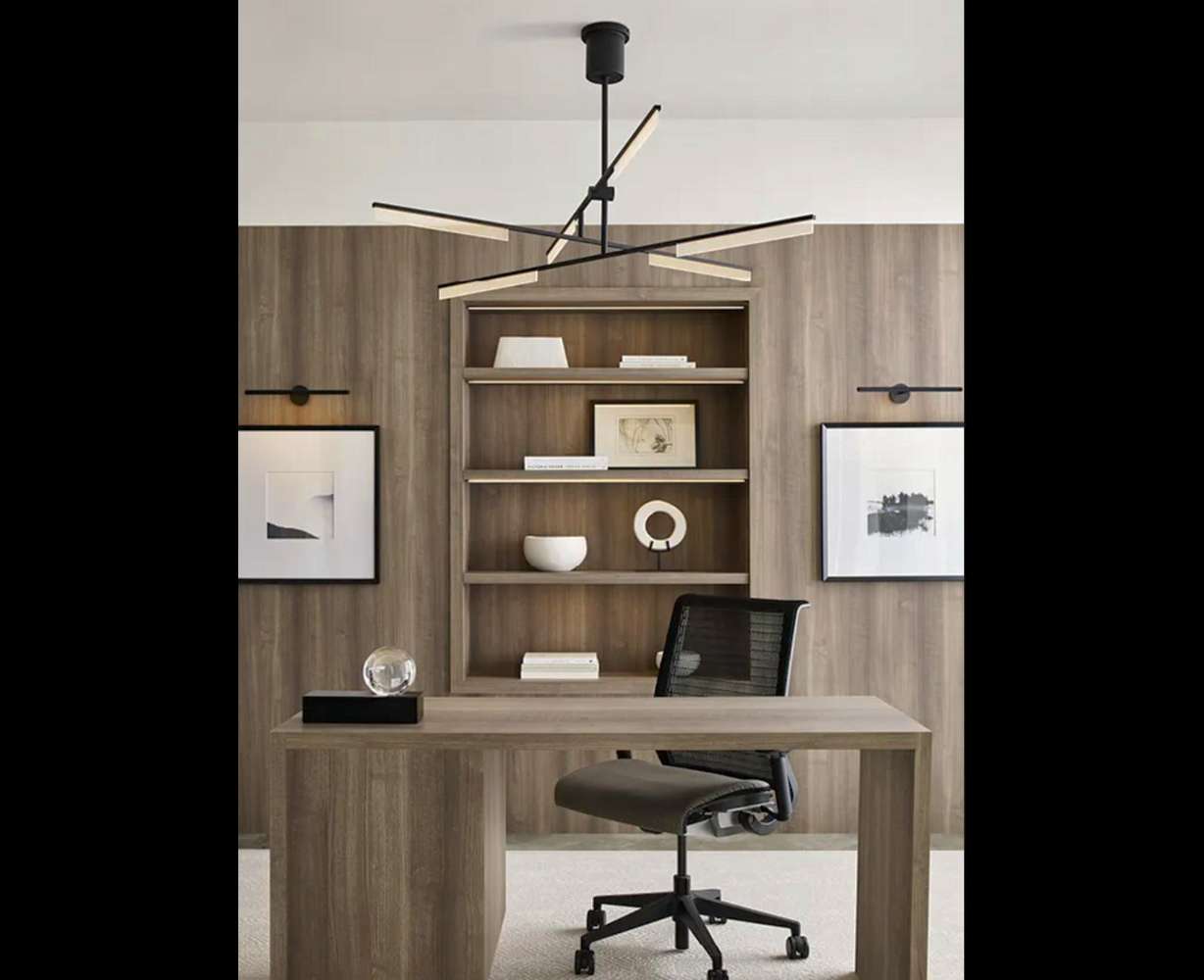
Creating a more productive workspace
Effective lighting does far more than brighten a room. It supports concentration, reduces fatigue and helps create an environment where people can perform at their best.
By avoiding these common lighting mistakes and incorporating layered lighting, you can improve both the function and comfort of your home office.
If you're planning to upgrade your workspace, Lighting Design is the perfect place to start. With stylish options that never sacrifice functionality, you're sure to find what you need to take your home office to the next level.