'%3e%3cpath%20d='M34.1406%205.85938C30.3906%202.10547%2025.3047%200%2020%200C14.6953%200%209.60938%202.10547%205.85938%205.85938C2.10938%209.61328%200%2014.6953%200%2020C0%2025.3047%202.10547%2030.3906%205.85938%2034.1406C9.61328%2037.8906%2014.6953%2040%2020%2040C25.3047%2040%2030.3906%2037.8945%2034.1406%2034.1406C37.8906%2030.3906%2040%2025.3047%2040%2020C40%2014.6953%2037.8945%209.60938%2034.1406%205.85938ZM37.0117%2023.543H31.1602V13.5391H27.6328V19.9414C28.1211%2020.6914%2028.3711%2021.582%2028.3711%2022.5625V22.625C28.3711%2023.668%2028.1172%2024.6055%2027.6328%2025.4297V26.6094H36.082C33.4883%2032.9375%2027.2891%2037.3789%2020.0039%2037.3789C10.3711%2037.3789%202.62109%2029.6289%202.62109%2020C2.62109%2010.3711%2010.3711%202.62109%2020%202.62109C29.6289%202.62109%2037.3789%2010.3711%2037.3789%2020C37.3789%2021.1484%2037.2617%2022.2656%2037.0508%2023.3477C37.0391%2023.4141%2037.0234%2023.4766%2037.0117%2023.543Z'%20fill='white'/%3e%3cpath%20d='M22.3086%2018.5352C20.4336%2018.125%2019.9531%2017.8398%2019.9766%2017.1836V17.1406C19.9766%2016.6992%2020.3477%2016.2148%2021.4023%2016.2148C22.582%2016.2148%2023.8867%2016.6797%2025.0781%2017.4766L26.8516%2015.0195C25.4453%2013.8906%2023.707%2013.3398%2021.5547%2013.3398C18.5195%2013.3398%2016.4375%2015%2016.4063%2017.4766V17.5352C16.3633%2020.2617%2018.5859%2020.9805%2021.293%2021.6016C23.0391%2021.9766%2023.5703%2022.3164%2023.5703%2022.9609L23.5469%2022.9766C23.5469%2023.3906%2023.2578%2023.7031%2022.7852%2023.8359C22.5742%2023.9062%2022.1289%2023.9727%2021.5156%2023.9727C20.7617%2023.9727%2019.7539%2023.8633%2018.6328%2023.4844C18.0898%2023.2891%2017.4727%2023.0039%2016.8047%2022.6133L20.1406%2026.625C20.2813%2026.6602%2021.0977%2026.8516%2021.7734%2026.8516C25.0039%2026.8516%2027.0859%2025.2461%2027.1094%2022.6328V22.5703C27.1602%2020.1133%2025.2148%2019.1719%2022.3086%2018.5352Z'%20fill='white'/%3e%3cpath%20d='M5.24219%2013.5664V26.6133H8.75391V23.7578L10.2969%2021.9531L14.2031%2026.6133H18.3867L12.3555%2019.5195L17.4023%2013.5664H13.4531L8.75391%2019.0586V13.5664H5.24219Z'%20fill='white'/%3e%3c/g%3e%3cdefs%3e%3cclipPath%20id='clip0_97_2430'%3e%3crect%20width='40'%20height='40'%20fill='white'/%3e%3c/clipPath%3e%3c/defs%3e%3c/svg%3e)


Estimated read time: 6-7 minutes
Fall in Utah can make thermostat settings tricky.
A chilly morning may have you reaching for the heat, only for temperatures to climb considerably by afternoon.
As colder weather settles in, many homeowners also start wondering whether it's more efficient to leave the thermostat at one temperature all day or turn it down when they're away.
It's a common question the team at Gillette Services hears as Utah homes transition from air conditioning to heating.
For most households, the answer is relatively simple: you generally don't need to keep your home at the same temperature all day. Turning the thermostat down when you're away or asleep can reduce heating energy use without sacrificing comfort when you're home.
Why turning down the heat can save energy
One common misconception is that a furnace has to work so hard to warm a house back up that you're better off maintaining the same temperature all day.
Generally, that's not the case.
Your home continuously loses heat when it's colder outside than inside. The greater the temperature difference, the faster that heat is lost. Allowing your home to cool somewhat while you're away reduces that difference and can reduce the amount of energy required during those hours.
Think of it like a bucket with a small leak. The faster you're trying to keep it filled, the more water you have to continually add. Your furnace faces a similar challenge when maintaining a warm house against cold outdoor temperatures.
That's particularly relevant during a Utah fall, when temperatures can fluctuate substantially between afternoon and overnight.
How far should you turn down your thermostat?
You don't have to make dramatic temperature changes to benefit from thermostat setbacks.
A common strategy is to lower the thermostat while everyone is at work or school and again overnight. The ideal setting depends on your family's comfort preferences, the home's insulation, and the type of heating system you have.
Rather than focusing on one "perfect" temperature, homeowners should look for a schedule they can consistently maintain.
For example, a household might keep the home around 68–70 degrees while occupied and reduce the temperature several degrees while everyone is away or sleeping.
The important thing is that you don't need to heat an empty house to exactly the same comfort level you want when everyone is sitting in the living room.
Fall is where a smart thermostat really helps
Utah's shoulder season is one of the best examples of why programmable and smart thermostats can be useful.
Instead of constantly adjusting the thermostat as temperatures change, homeowners can create schedules based on when they're normally home, away or asleep. Many smart thermostats also provide remote access, usage information and other features that make managing home comfort easier.
"Smart thermostats take a lot of the guesswork out of managing your home's temperature," says Shaun Gillette, CEO of Gillette Services. "You can reduce unnecessary heating when nobody's home and still have the house comfortable when your family gets back."
For homeowners who frequently forget to adjust the thermostat before leaving for work or going to bed, automation can make a surprisingly big difference over an entire heating season.
Don't overlook Utah's warm fall afternoons
There's another opportunity to save energy that's especially relevant during fall: let the weather help you.
On sunny fall days, opening blinds or curtains on south- and west-facing windows can allow sunlight to naturally warm portions of the home. As temperatures drop in the evening, closing window coverings can help reduce heat loss.
And on particularly mild days, your heating system may barely need to operate at all.
Fall is also a good time to resist constantly switching between heating and cooling simply to maintain a precise indoor temperature. If conditions are comfortable, allowing the house to naturally fluctuate by a few degrees can reduce unnecessary HVAC operation.
When a consistent temperature may make more sense
Thermostat setbacks aren't ideal for every household or every heating system.
Homes with elderly residents, young children, pets or occupants with specific comfort needs may benefit from maintaining a narrower temperature range.
The type of heating system also matters. Some heat-pump systems, for example, may operate differently with large thermostat setbacks than a traditional gas furnace. Aggressive temperature recovery can sometimes activate supplemental heat, reducing some of the expected energy savings.
If you're unsure how your particular equipment should be operated, an HVAC professional can recommend settings based on the system and the home.
Your thermostat isn't always the problem
If your heating bills seem unusually high, changing the thermostat may help — but it won't compensate for an HVAC system that's struggling.
A dirty filter, airflow restriction, worn component, duct leakage or poorly maintained furnace can increase energy consumption regardless of thermostat settings.
That's one reason fall furnace maintenance can be particularly valuable. The first sustained cold spell isn't the ideal time to discover that a furnace has an ignition problem, failing component or airflow issue.
"Fall gives homeowners an opportunity to make sure everything is working properly before we're dealing with the really cold temperatures," says Gillette. "Catching a small problem now can help prevent a much more inconvenient problem later in the heating season."
Homeowners can also perform a few simple checks themselves: replace or inspect the furnace filter, make sure supply and return vents aren't blocked, test the thermostat and listen for unusual noises when the furnace starts.
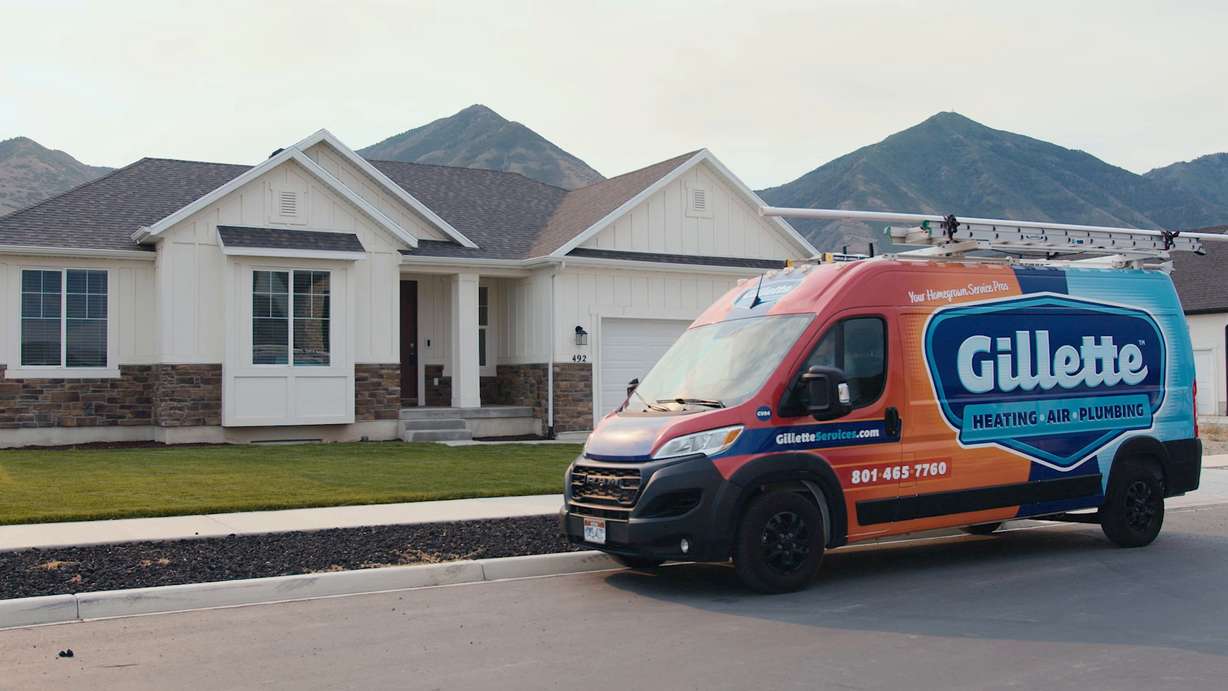
Don't ignore the age of your furnace
Fall is also a good time to consider something thermostat settings can't fix: the age and condition of the heating system itself.
An older furnace may still heat the house, but declining performance, recurring repairs or lower efficiency can make it increasingly expensive to operate.
That doesn't automatically mean an older furnace needs to be replaced. But knowing its condition before winter gives homeowners time to understand their options rather than making a rushed decision after a breakdown on a freezing January night.
A professional inspection can help determine whether the equipment simply needs routine maintenance, requires a repair, or is approaching the point where replacement should be considered.
The bottom line
For most Utah homeowners, keeping the thermostat at exactly the same temperature 24 hours a day isn't necessary.
Moderately lowering the temperature when you're away or sleeping can reduce unnecessary heating, while a programmable or smart thermostat can make those adjustments automatically.
But thermostat settings are only one part of the equation.
As Utah moves from fall into winter, this is also the time to make sure your furnace is clean, properly maintained and ready for months of colder weather.
If you're unsure about the condition or efficiency of your heating system, Gillette Services can inspect your equipment, identify potential problems and help make sure your home is ready before Utah's winter weather arrives.