'%3e%3cpath%20d='M34.1406%205.85938C30.3906%202.10547%2025.3047%200%2020%200C14.6953%200%209.60938%202.10547%205.85938%205.85938C2.10938%209.61328%200%2014.6953%200%2020C0%2025.3047%202.10547%2030.3906%205.85938%2034.1406C9.61328%2037.8906%2014.6953%2040%2020%2040C25.3047%2040%2030.3906%2037.8945%2034.1406%2034.1406C37.8906%2030.3906%2040%2025.3047%2040%2020C40%2014.6953%2037.8945%209.60938%2034.1406%205.85938ZM37.0117%2023.543H31.1602V13.5391H27.6328V19.9414C28.1211%2020.6914%2028.3711%2021.582%2028.3711%2022.5625V22.625C28.3711%2023.668%2028.1172%2024.6055%2027.6328%2025.4297V26.6094H36.082C33.4883%2032.9375%2027.2891%2037.3789%2020.0039%2037.3789C10.3711%2037.3789%202.62109%2029.6289%202.62109%2020C2.62109%2010.3711%2010.3711%202.62109%2020%202.62109C29.6289%202.62109%2037.3789%2010.3711%2037.3789%2020C37.3789%2021.1484%2037.2617%2022.2656%2037.0508%2023.3477C37.0391%2023.4141%2037.0234%2023.4766%2037.0117%2023.543Z'%20fill='white'/%3e%3cpath%20d='M22.3086%2018.5352C20.4336%2018.125%2019.9531%2017.8398%2019.9766%2017.1836V17.1406C19.9766%2016.6992%2020.3477%2016.2148%2021.4023%2016.2148C22.582%2016.2148%2023.8867%2016.6797%2025.0781%2017.4766L26.8516%2015.0195C25.4453%2013.8906%2023.707%2013.3398%2021.5547%2013.3398C18.5195%2013.3398%2016.4375%2015%2016.4063%2017.4766V17.5352C16.3633%2020.2617%2018.5859%2020.9805%2021.293%2021.6016C23.0391%2021.9766%2023.5703%2022.3164%2023.5703%2022.9609L23.5469%2022.9766C23.5469%2023.3906%2023.2578%2023.7031%2022.7852%2023.8359C22.5742%2023.9062%2022.1289%2023.9727%2021.5156%2023.9727C20.7617%2023.9727%2019.7539%2023.8633%2018.6328%2023.4844C18.0898%2023.2891%2017.4727%2023.0039%2016.8047%2022.6133L20.1406%2026.625C20.2813%2026.6602%2021.0977%2026.8516%2021.7734%2026.8516C25.0039%2026.8516%2027.0859%2025.2461%2027.1094%2022.6328V22.5703C27.1602%2020.1133%2025.2148%2019.1719%2022.3086%2018.5352Z'%20fill='white'/%3e%3cpath%20d='M5.24219%2013.5664V26.6133H8.75391V23.7578L10.2969%2021.9531L14.2031%2026.6133H18.3867L12.3555%2019.5195L17.4023%2013.5664H13.4531L8.75391%2019.0586V13.5664H5.24219Z'%20fill='white'/%3e%3c/g%3e%3cdefs%3e%3cclipPath%20id='clip0_97_2430'%3e%3crect%20width='40'%20height='40'%20fill='white'/%3e%3c/clipPath%3e%3c/defs%3e%3c/svg%3e)


Estimated read time: 5-6 minutes
Lighting has a way of making or breaking a room.
Even the most beautifully designed space can look harsh under bright, white light and drab under weak, yellow light. You have to find that just-right sweet spot for indoor lighting, which takes some professional knowledge!
From fixture size and placement to brightness and bulb temperature, there are many details to consider before you buy. If you don't know the difference between lumens and watts, start here. You'll be ready to design (or redesign) your home's lighting in no time
Lighting basics 101
Before choosing a light fixture, it helps to understand how much light a room will have. Consider how many windows the room has and which direction they face to determine how much natural light each room will have.
Next, you're ready to bring in artificial light. Depending on basic qualities of light, including intensity, form, color, direction, and movement, you can decide how to light an area to set the mood you're after.
One of the most important measurements to know is lumens, which indicate the amount of light a bulb produces. In simple terms, the higher the lumens, the brighter the light. This is different from wattage, which measures how much energy a bulb uses rather than how bright it is. That distinction is especially important with today's energy-efficient LED bulbs.
The right number of lumens depends on the room and how you use it. It can be as little as 10 lumens per square foot in a living room or up to 50 lumens per square foot in a kitchen. Understanding lumens before you shop makes it easier to choose fixtures that provide the right amount of light without leaving a room feeling dim or overly bright.
Different rooms need different lights
Start by thinking about how you use each room. Kitchens need bright, functional lighting, often combining an overhead fixture with under-cabinet lights or pendants over an island. Most people want kitchen fixtures made of sturdy materials that can be cleaned if splatters or other kitchen messes happen.
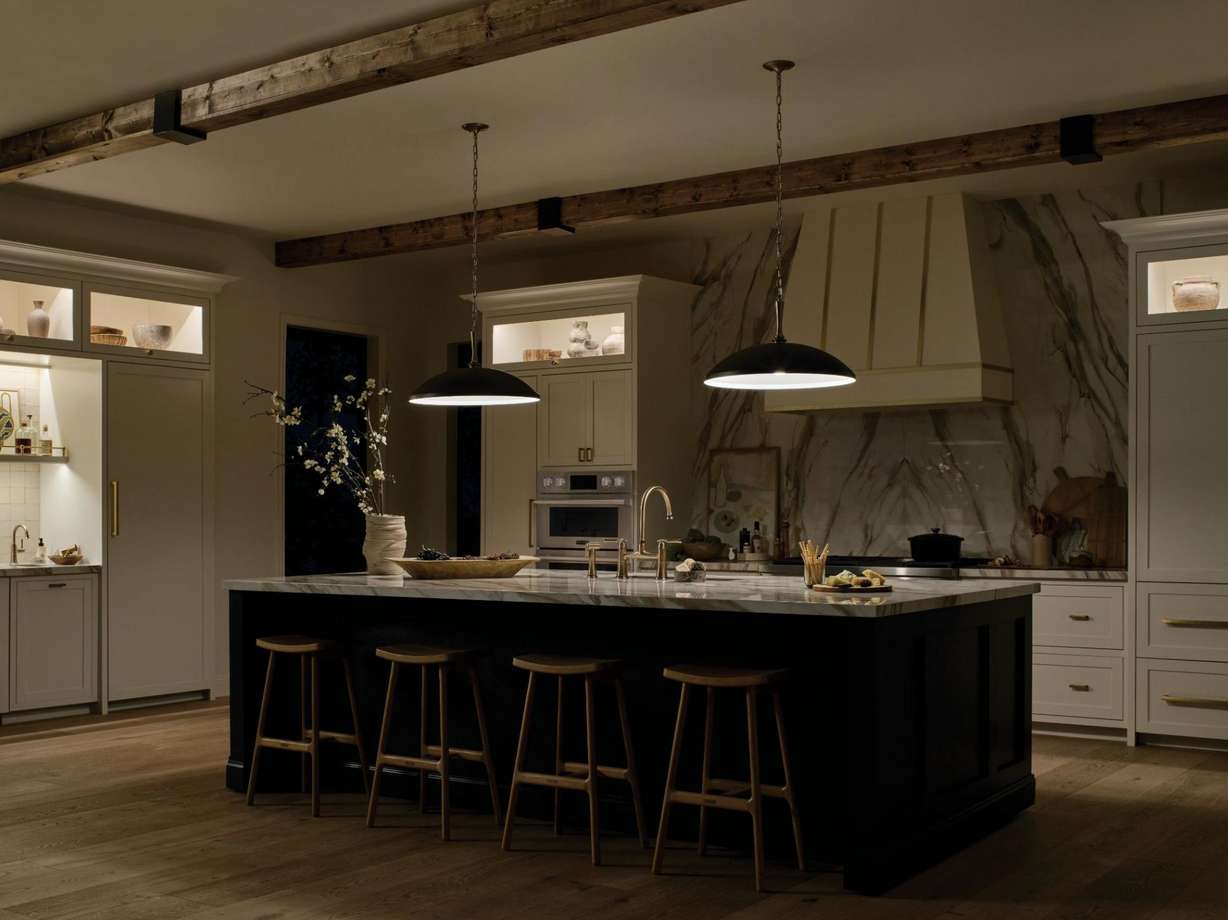
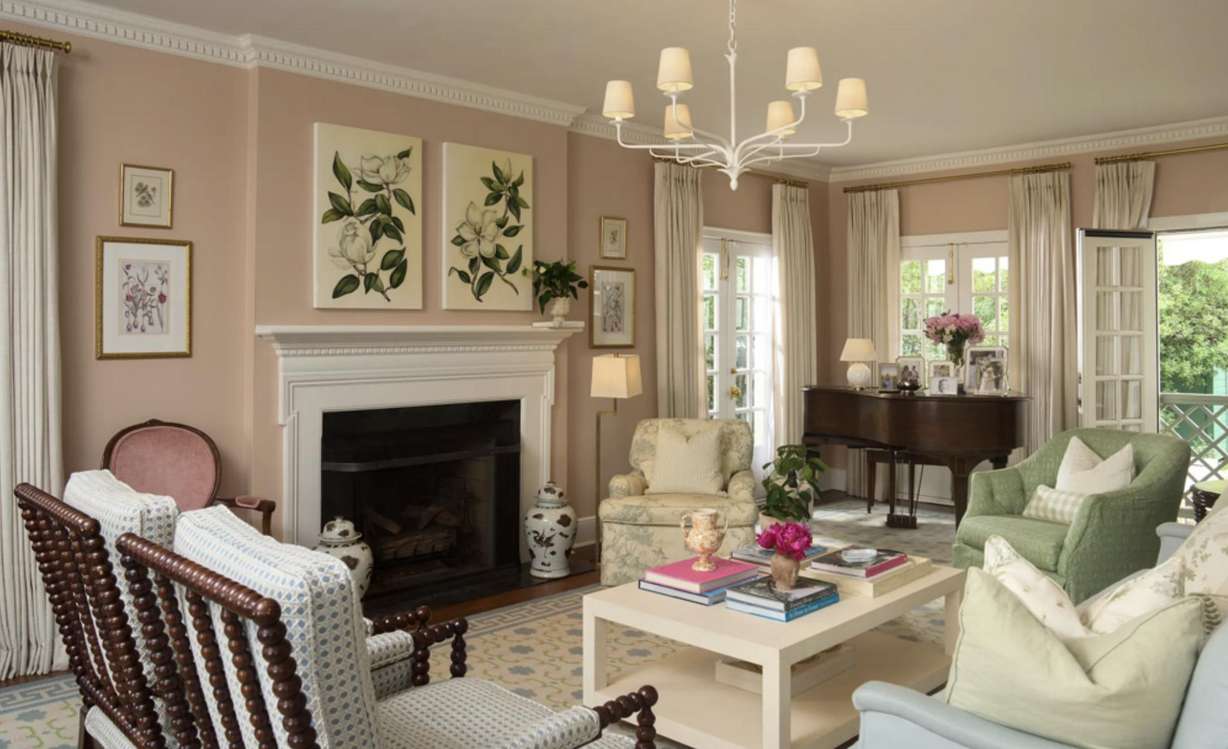
Living rooms benefit from layered lighting, such as a central ceiling fixture paired with floor lamps or table lamps to create a welcoming atmosphere. In bedrooms, softer ceiling fixtures—natural materials like jute and linen are popular right now—and bedside lamps provide cozy illumination. A ceiling fan is a great option in bedrooms, especially for spare rooms to keep your guests comfortable. Bathrooms need bright, even lighting, especially around the vanity, while home offices benefit from focused task lighting that reduces eye strain. Choosing fixtures based on each room's purpose ensures your lighting is not only beautiful but genuinely useful.
Layer your lighting
Layering is key when choosing the right lighting for your home! A room with only one light source produces uneven illumination, leaving parts of the room dark and creating harsh brightness in others. These contrasts force your eyes to work harder throughout the day. Instead, lighting needs three layers: ambient lighting, task lighting, and accent lighting.
Ambient refers to the main lighting in the room. Recessed can lights, a ceiling fan/light combination, or a statement chandelier are all types of ambient lighting.
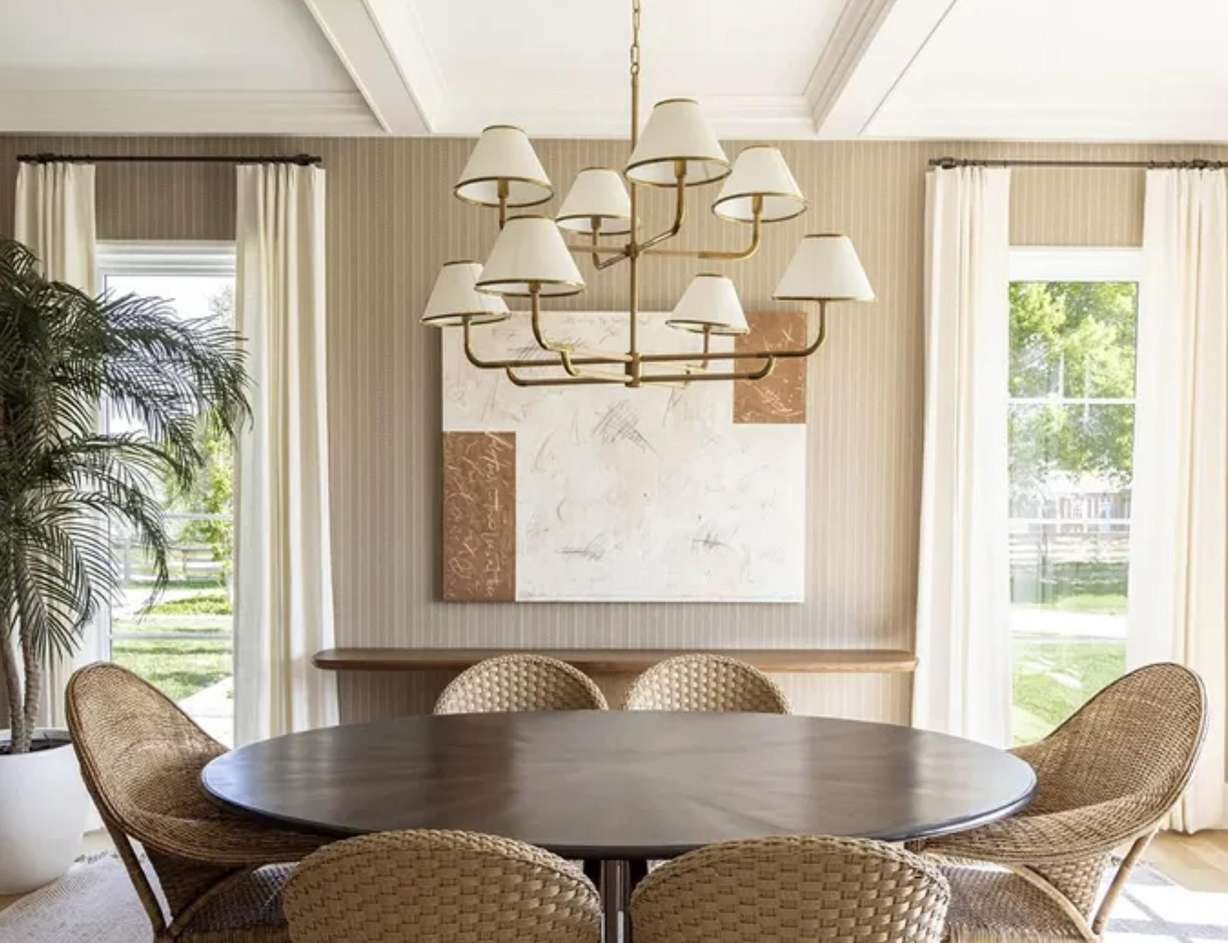
Task lighting delivers focused light for reading and writing, cooking, or other chores. Examples of task lighting are desk lamps, under-cabinet lighting in kitchens, and bathroom vanity lights next to mirrors.
Accent lighting adds depth and visual comfort by highlighting details or decorative features. Picture lights (sometimes called museum lights) next to artwork, a cozy sconce beside your bed, or a small lamp all amp up the coziness factor as accent lights.
Find your style
Another important piece when choosing your light fixtures is honoring your home's architectural style. A sharp, angular chandelier might be impressive in a modern home but not work in a farmhouse or colonial-style house.
You also want your light fixture to flow with the other finishes in your home. If all your cabinetry hardware is matte black, a gold-and-crystal chandelier may not work, but something incorporating black metal accents would blend nicely with the rest of your home.
When in doubt, opting for timeless over trendy means you won't want to switch out an expensive light fixture after only a few years.
Think about placement
You can't forget all the technical odds and ends. This is where lots of measuring and math comes in! You'll need to account for ceiling height, sight lines, and appropriate clearance heights over dining tables and kitchen islands.
Even the most beautiful fixture won't look right if it's installed in the wrong location. Consult a professional electrician for any tricky installations or ones that require new wiring.
Visit a Lighting Design showroom
Lighting trends change, but the importance of quality and expertise does not.
To see all the best lighting options available to you, visit a Lighting Design showroom. At their Draper and Layton showrooms, you can see all the best brands in person—including Hunter, Hinkley, Kichler, and Visual Comfort.
The experts at Lighting Design can answer your questions and help you choose the perfect light fixtures for your space.
For more information, visit the Lighting Design website. You can ask questions about specific products and schedule a consultation for your space.