'%3e%3cpath%20d='M34.1406%205.85938C30.3906%202.10547%2025.3047%200%2020%200C14.6953%200%209.60938%202.10547%205.85938%205.85938C2.10938%209.61328%200%2014.6953%200%2020C0%2025.3047%202.10547%2030.3906%205.85938%2034.1406C9.61328%2037.8906%2014.6953%2040%2020%2040C25.3047%2040%2030.3906%2037.8945%2034.1406%2034.1406C37.8906%2030.3906%2040%2025.3047%2040%2020C40%2014.6953%2037.8945%209.60938%2034.1406%205.85938ZM37.0117%2023.543H31.1602V13.5391H27.6328V19.9414C28.1211%2020.6914%2028.3711%2021.582%2028.3711%2022.5625V22.625C28.3711%2023.668%2028.1172%2024.6055%2027.6328%2025.4297V26.6094H36.082C33.4883%2032.9375%2027.2891%2037.3789%2020.0039%2037.3789C10.3711%2037.3789%202.62109%2029.6289%202.62109%2020C2.62109%2010.3711%2010.3711%202.62109%2020%202.62109C29.6289%202.62109%2037.3789%2010.3711%2037.3789%2020C37.3789%2021.1484%2037.2617%2022.2656%2037.0508%2023.3477C37.0391%2023.4141%2037.0234%2023.4766%2037.0117%2023.543Z'%20fill='white'/%3e%3cpath%20d='M22.3086%2018.5352C20.4336%2018.125%2019.9531%2017.8398%2019.9766%2017.1836V17.1406C19.9766%2016.6992%2020.3477%2016.2148%2021.4023%2016.2148C22.582%2016.2148%2023.8867%2016.6797%2025.0781%2017.4766L26.8516%2015.0195C25.4453%2013.8906%2023.707%2013.3398%2021.5547%2013.3398C18.5195%2013.3398%2016.4375%2015%2016.4063%2017.4766V17.5352C16.3633%2020.2617%2018.5859%2020.9805%2021.293%2021.6016C23.0391%2021.9766%2023.5703%2022.3164%2023.5703%2022.9609L23.5469%2022.9766C23.5469%2023.3906%2023.2578%2023.7031%2022.7852%2023.8359C22.5742%2023.9062%2022.1289%2023.9727%2021.5156%2023.9727C20.7617%2023.9727%2019.7539%2023.8633%2018.6328%2023.4844C18.0898%2023.2891%2017.4727%2023.0039%2016.8047%2022.6133L20.1406%2026.625C20.2813%2026.6602%2021.0977%2026.8516%2021.7734%2026.8516C25.0039%2026.8516%2027.0859%2025.2461%2027.1094%2022.6328V22.5703C27.1602%2020.1133%2025.2148%2019.1719%2022.3086%2018.5352Z'%20fill='white'/%3e%3cpath%20d='M5.24219%2013.5664V26.6133H8.75391V23.7578L10.2969%2021.9531L14.2031%2026.6133H18.3867L12.3555%2019.5195L17.4023%2013.5664H13.4531L8.75391%2019.0586V13.5664H5.24219Z'%20fill='white'/%3e%3c/g%3e%3cdefs%3e%3cclipPath%20id='clip0_97_2430'%3e%3crect%20width='40'%20height='40'%20fill='white'/%3e%3c/clipPath%3e%3c/defs%3e%3c/svg%3e)


Estimated read time: 4-5 minutes
As one navigates the complexities of life, it's easy to overlook the importance of community and the impact it can have on those around us.
For Amy Arnold, a long-time foster and adoptive parent, community has been the backbone of her journey. With 26 years of experience in foster care, Amy has seen firsthand the difference that a supportive network can make in the lives of children and families.
A father's love: The impact of positive role models
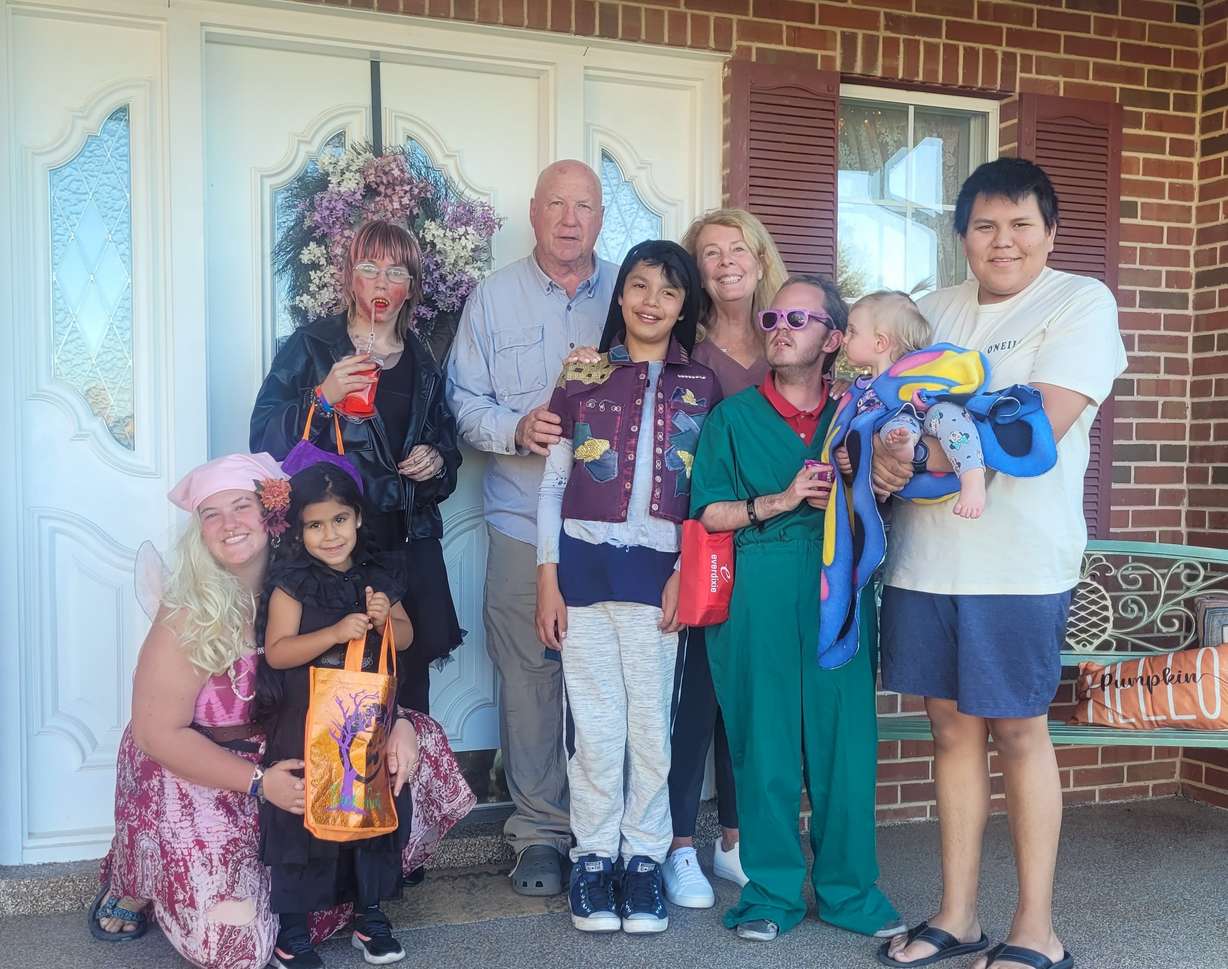
At the heart of Amy's story is her father, a constant source of love and support for the children in her care.
"My dad is a great example of that," Amy says. "He is always just so welcoming and loving to every child that comes to our home. The moment they come into the home, he's like, 'I'm Grandpa. Let me show you how to build something.'"
This kind of healthy, male role modeling is essential for children who may have experienced trauma or instability in their lives.
As Amy notes, "It's just never a matter of biological or adopted or foster. It's just, 'Amy's got a new kid, so I've got a new grandchild,'" and this kind of unconditional love and acceptance is a powerful thing.
Learning and growing: The importance of adaptability
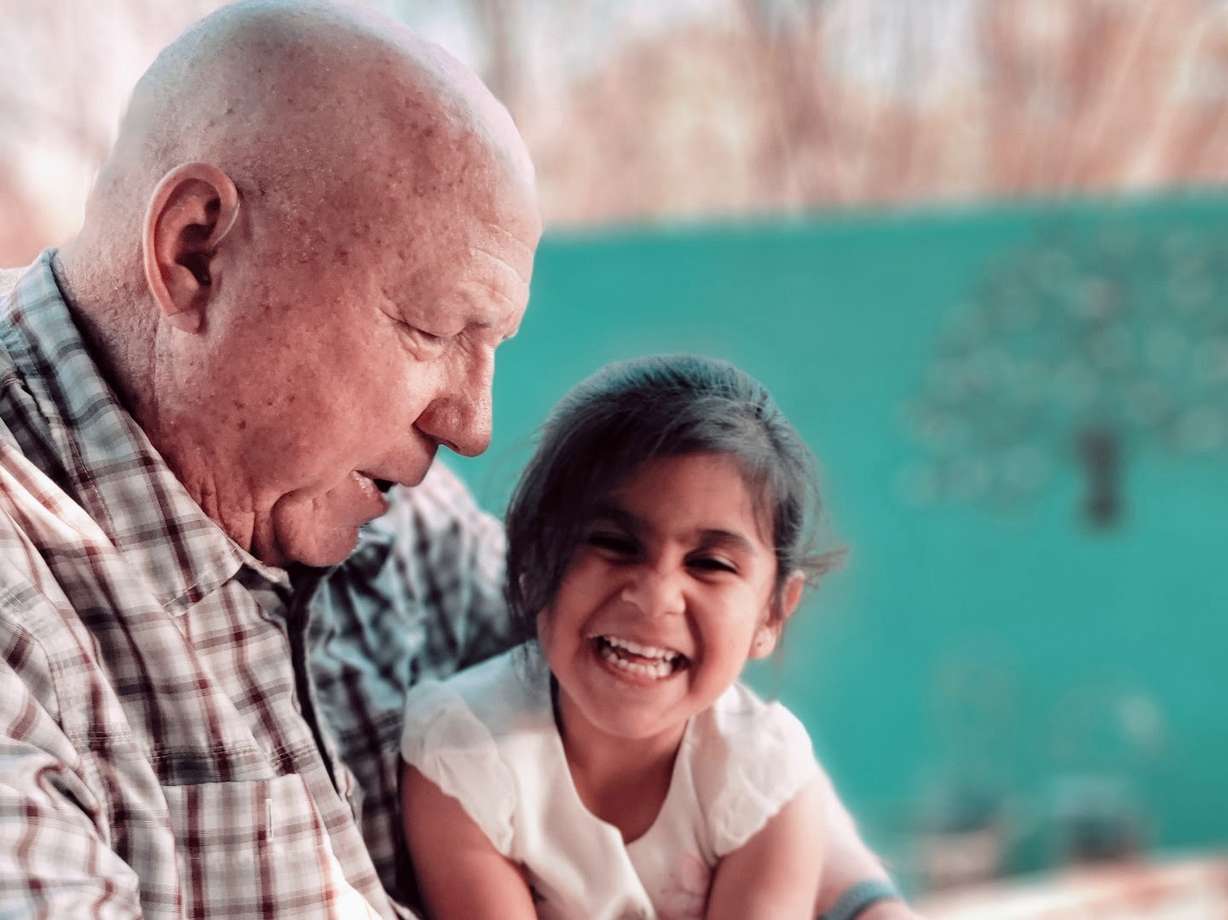
Amy's father's natural ability to connect with the children in her care is a testament to the importance of having positive male role models in the lives of young people. As she explains, "He's very excited about his interactions with the kids. That is something that he's always done."
However, Amy also acknowledges that her father has had to learn and grow in his role as a grandfather to children with diverse needs and experiences.
"There have been times where I've had to say, 'Hey dad, this child maybe doesn't want a lot of hugs' or 'with this child, you have to be careful with this…' " she says. "And so he's been open to learning about how that works for each child because maybe sometimes it's not something that he's used to."
Breaking down misconceptions: The reality of foster care
According to The Substance Abuse and Mental Health Adminstration (SAMHSA), substance abuse and other issues can greatly impair the role of biological parents.
As Amy reflects on her journey as a foster parent, she notes that one of the biggest misconceptions people have is that if biological parents had loved their children enough, they would be able to overcome any challenges and provide a stable home.
"Addiction is really hard to get over. I've met some amazing, wonderful parents who absolutely love their children and are just not able to break the chains of addiction."
This is a critical distinction, as Amy explains: "You can absolutely love a child and still not be able to care for them for various reasons. That doesn't mean they love them any less; it just means right now the ability is not there."
The power of community support
So, how can individuals and families help make a difference in the lives of children in foster care and their families?
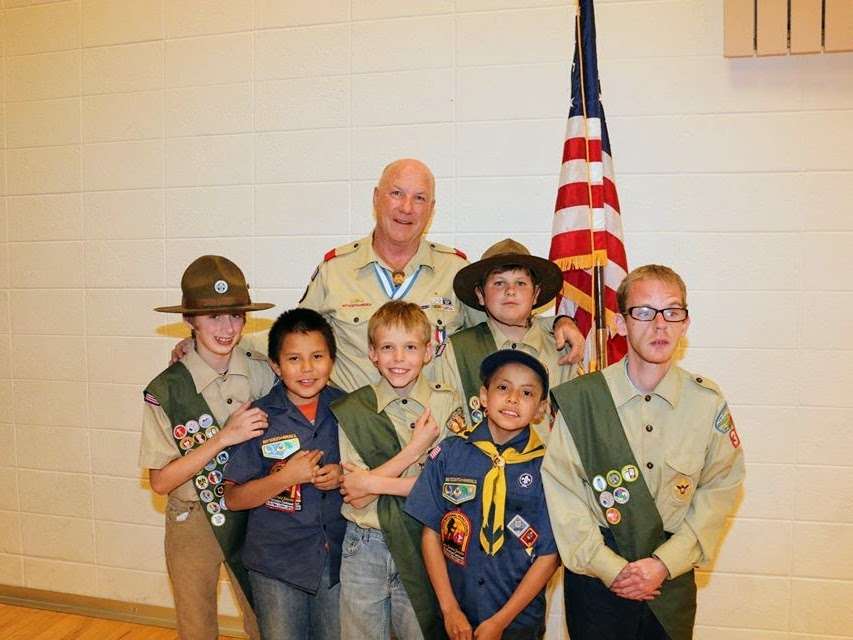
As Amy's story illustrates, it's not just about being a foster parent yourself. There are many ways to get involved and provide support, from volunteering and donating to raising awareness and advocating for the needs of children in care.
By being part of a community that cares, loving individuals can help improve outcomes for children in foster care and strengthen the families who care for them.
Getting involved: Ways to make a difference
- Care Communities: Become part of a Care Team that surrounds a local foster family with practical support like meals, transportation, errands, childcare, or encouragement. Just a few hours each month can make a lasting difference for children and help foster families continue providing stable homes.
- Volunteer: Opportunities range from helping at Kid's/Teen's Night Out events and providing meals for foster families, to organizing collection drives, assisting with home service projects, or volunteering at community events throughout the year.
- Donate: One-time or recurring donations directly support programs that benefit children in foster care across Utah, helping provide resources, experiences, and services that strengthen families.
- Community Partnerships: Companies, faith communities, and civic organizations can sponsor events, support Care Communities, organize service projects, or collaborate with Utah Foster Care to meet the needs of children and foster families.
- Raise Awareness: Share stories, attend community events, engage with Utah Foster Care on social media, and encourage others to learn about the needs of children in foster care. Simply starting conversations helps expand the community of people willing to support local families.
As Amy's story proves, every act of support helps strengthen the lives of children in foster care and the families who care for them.
By working together, individuals, families and communities can provide the love, care, and support that every child deserves. To learn more about how you can get involved, visit www.utahfostercare.org/get-involved.